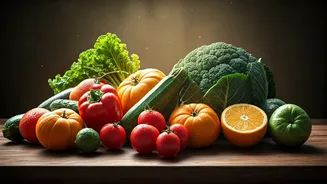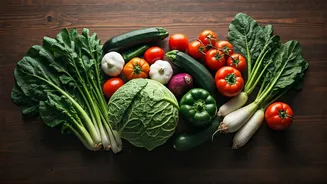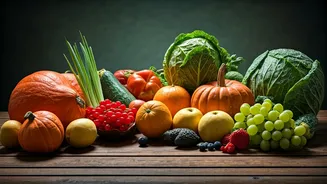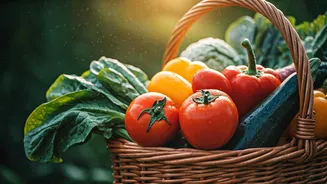




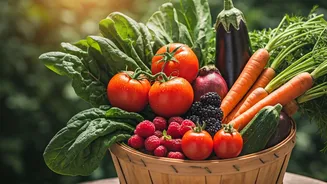


What is Seasonal Eating, Really?
At its core, seasonal eating is about consuming foods at their natural peak, right when they are harvested. It’s a philosophy that our grandparents lived by, long before global supply chains made it possible to buy strawberries in December or cauliflower
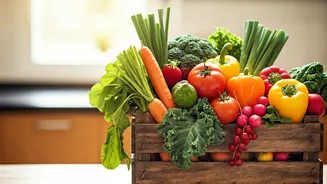
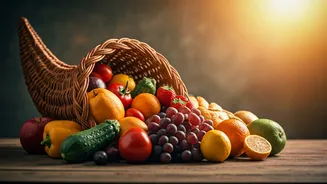
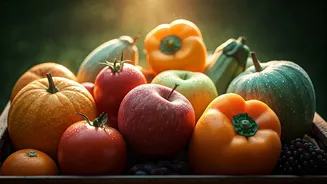
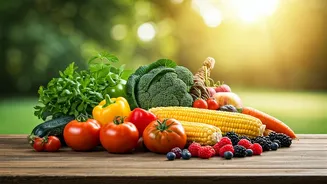
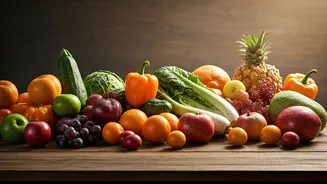
in June. This isn’t about a restrictive diet; it’s about aligning our plates with nature’s calendar. It means savouring juicy mangoes in the summer, enjoying hearty greens like sarson ka saag in the winter, and celebrating the arrival of jamun with the first monsoon rains. It’s a return to appreciating food that is grown locally and harvested at the right time, which often means it’s fresher, more flavourful, and more in tune with our bodies' needs for that particular season.
The Flavour and Nutrition Payoff
There’s a scientific reason why a winter carrot tastes sweeter and a summer tomato is more vibrant. When fruits and vegetables are allowed to ripen naturally on the vine or in the ground, they develop their full flavour profile and nutritional content. Produce that is picked prematurely and then transported thousands of kilometres often has to be ripened artificially with gases, which can’t replicate the complex sugars and nutrients developed through natural sun and soil. Studies suggest that some foods, like spinach, can have significantly higher levels of nutrients like Vitamin C when consumed in their peak season. By eating seasonally, you are getting food as it was meant to be eaten: at its most delicious and nutrient-dense.
An Eco-Friendly and Economical Choice
The benefits of seasonal nutrition extend far beyond personal health. When you choose seasonal produce, you are often supporting local farmers and reducing your carbon footprint. Foods grown out of season typically require energy-intensive greenhouses, extensive pesticides, and long-distance transportation, all of which have a significant environmental cost. Conversely, in-season produce is abundant, requiring fewer resources to grow and transport. This abundance also makes it more affordable. A trip to your local sabzi mandi will confirm this: prices for seasonal items are always lower than for their off-season, imported counterparts. So, eating with the seasons is not only good for you and the planet, but it’s also gentler on your wallet.
A Taste of India's Seasons
India’s diverse climate offers a stunning variety of produce throughout the year. Embracing this cycle is a culinary adventure.
- Summer (March-June): Think cooling foods. This is the time for mangoes, watermelon, muskmelon (kharbuja), lychees, and vegetables like cucumber (kheera), bottle gourd (lauki), and pumpkin (kaddu).
- Monsoon (July-September): The rains bring a unique bounty. Look for corn on the cob (bhutta), java plums (jamun), peaches, and leafy greens like amaranth (chaulai).
- Winter (November-February): This is the season for hearty, warming foods. It's the peak time for oranges (santara), guava (amrood), pomegranates (anaar), and a vast array of vegetables like carrots (gajar), beetroot (chukandar), peas (matar), fenugreek (methi), and spinach (palak).
Simple Steps to Get Started
Shifting to a more seasonal diet doesn't require a complete overhaul. It's about making small, conscious choices. Start by visiting your local farmers' market or mandi and simply observing what is plentiful and fresh. Ask your vegetable vendor, “Aaj kal mausam mein kya hai?” (What’s in season these days?). They are often the best guides. Plan one or two meals a week around a seasonal ingredient you find. This practice not only reconnects you with your food but also introduces variety into your diet, preventing nutritional ruts and making cooking more exciting and intuitive.