




Rethink Your Fasting Plate
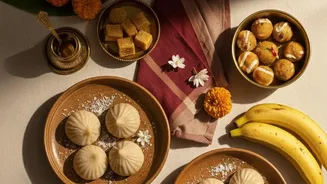
Traditional Navratri fasting often leans heavily on fried potatoes, carb-dense sabudana, and sugary sweets. While delicious, these foods can cause energy crashes and leave you feeling lethargic. A modern, balanced approach focuses on creating meals that
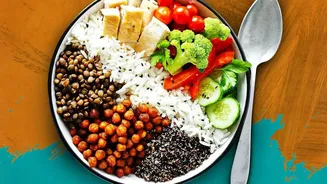
include a mix of complex carbohydrates, lean protein, and healthy fats. The goal is to feel energised and light, not starved or sluggish. The rules remain the same—no grains like wheat and rice, no lentils, onions, or garlic—but the strategy changes. Instead of just cutting things out, the focus shifts to intentionally including nutrient-dense, permissible foods. Planning your meals ahead of time can make a significant difference in how you feel throughout the nine days.
Prioritise Protein for Sustained Energy
One of the biggest nutritional gaps during Navratri fasting is protein. A lack of protein can lead to muscle fatigue and constant hunger. Fortunately, many vrat-friendly foods are excellent protein sources. Paneer is a versatile powerhouse, which can be grilled, stir-fried, or added to vegetable dishes. Yoghurt (curd) and buttermilk are not only cooling and great for digestion but also provide a good dose of protein and calcium. Nuts and seeds like almonds, walnuts, and peanuts are packed with both protein and healthy fats, making them a perfect snack to keep you full. Even fasting flours like amaranth (rajgira) and buckwheat (kuttu) contain a decent amount of protein.
Choose Smart Carbs, Not Just Any Carbs
Carbohydrates are essential for energy, but the type you choose matters. Instead of relying solely on potatoes and sabudana, which can cause blood sugar spikes, diversify your carb sources. Flours like buckwheat (kuttu), water chestnut (singhara), and amaranth (rajgira) are complex carbohydrates that provide a slower, more sustained release of energy. Other excellent options include sweet potatoes, pumpkin, and raw bananas, which are rich in fibre and nutrients. When you do have sabudana or potatoes, pair them with a protein or healthy fat source like peanuts or curd. This simple combination helps slow down digestion and prevents the dreaded post-meal energy slump.
Hydration Is More Than Just Water
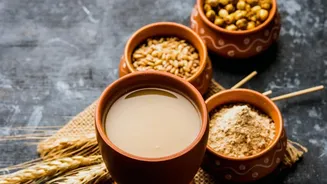
Dehydration is a common cause of fatigue and headaches during fasting. While drinking plenty of water is crucial, you can also stay hydrated with other nourishing fluids. Coconut water is an excellent choice as it replenishes electrolytes. Freshly made buttermilk (chaas) and milk are also great for hydration and provide extra nutrients. You can also include herbal teas or lemon water. Aim to sip on fluids throughout the day rather than drinking a large amount at once. This helps your body stay consistently hydrated, supporting both your energy levels and your body's natural detoxification process.
Embrace Healthy Cooking Methods
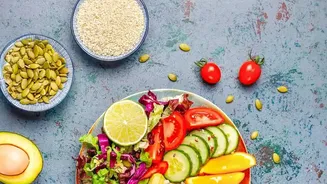
How you cook your food is just as important as what you cook. Deep-fried kuttu puris and potato chips might be tempting, but they are heavy and can make you feel sluggish. Instead, explore lighter cooking techniques. Roasting, baking, steaming, or stir-frying are excellent alternatives that use minimal oil. For instance, you can bake sweet potato wedges instead of frying them, or make a Kuttu cheela (pancake) on a non-stick pan with a little ghee. Using a variety of permitted vegetables like bottle gourd, pumpkin, and cucumber can add fibre and micronutrients to your meals, making them more balanced and filling.