






The Old Way of Flying
For millions of travellers from India’s Tier-II cities and the peripheries of megacities, planning an overseas trip has long involved a frustrating two-step process. First, a domestic flight to a major hub like Mumbai or Delhi. Then, a long, often stressful
layover, involving collecting baggage, switching terminals, and repeating security and immigration checks before finally boarding the international flight. This 'hub-and-spoke' shuffle not only added significant time and cost to the journey but also created immense pressure on the country's already overburdened metro airports. This model meant that a trip from Indore to Abu Dhabi could involve a full day of travel, turning what should be a straightforward journey into a logistical challenge.
Navi Mumbai: A Gateway for the West Coast
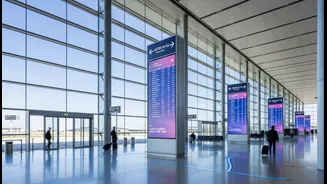
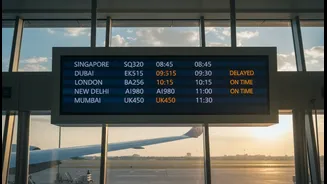
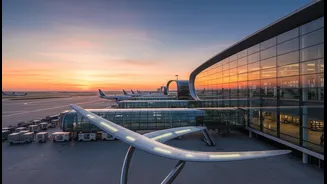
A massive change is on the horizon with the operationalisation of the Navi Mumbai International Airport (NMIA), also known as DB Patil International Airport. After commencing domestic operations in late 2025, the airport is scheduled to launch its first international passenger flights on July 15, 2026. Air India Express is set to be the inaugural international carrier, with a direct service to Abu Dhabi. This is a landmark event for the Mumbai Metropolitan Region (MMR). Designed to handle an initial capacity of 20 million passengers annually, NMIA will directly serve a vast population in Navi Mumbai, Thane, Pune, and surrounding satellite cities, offering them a direct ramp to international destinations without needing to travel to the congested Chhatrapati Shivaji Maharaj International Airport (CSMIA). Airlines like IndiGo are also expected to start international services, initially focusing on short-haul routes to the Gulf.
Indore’s Direct Global Connect
Simultaneously, in the heart of the country, Indore's Devi Ahilya Bai Holkar Airport is cementing its role as a crucial international gateway for central India. After a suspension of international services, the airport is resuming overseas operations with a new direct Air India Express flight to Abu Dhabi, also starting from July 15, 2026. This new route replaces the previous service to Sharjah and offers passengers from across Madhya Pradesh a connection to a major global transit hub. From Abu Dhabi's Zayed International Airport, travellers can connect to over 80 cities worldwide, bypassing the need for layovers in Delhi or Mumbai. While direct flights from Indore are currently focused on the UAE, this development signals a broader trend of empowering Tier-II airports to handle international traffic, a move that boosts local economies and provides unprecedented convenience to residents.
What This Means for Your Travel Plans
The impact on passengers is immediate and significant. The most obvious benefit is the time saved. By flying directly from a regional airport or a conveniently located second metro airport, travellers can cut down their total journey time by several hours. This also translates into cost savings, as it eliminates the need for an additional domestic flight leg and the associated expenses. Furthermore, it promises a less stressful experience. The government is also promoting a new 'hub-and-spoke' model where passengers from smaller cities can complete immigration and customs at their origin airport, with their baggage checked through to the final destination, making the transit at a larger hub seamless. This increased connectivity makes international travel a more viable and attractive option for families, business travellers, and tourists from non-metro regions.
A New Blueprint for Indian Aviation
The developments in Navi Mumbai and Indore are not isolated events but part of a deliberate national strategy. The Indian government is focused on decentralising air traffic and developing regional airports into powerful hubs. This strategy aims to reduce the load on primary metro airports, promote balanced regional growth, and make India a more significant player in global aviation. By encouraging Indian carriers to operate more international flights from non-metro points, the policy seeks to create a more resilient and distributed aviation network. As more Tier-II airports get equipped for international operations, it will unlock economic potential, boost tourism, and fundamentally alter how a huge segment of the Indian population accesses the world.