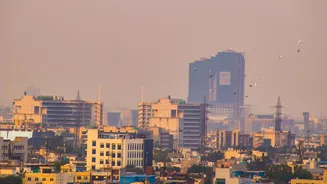





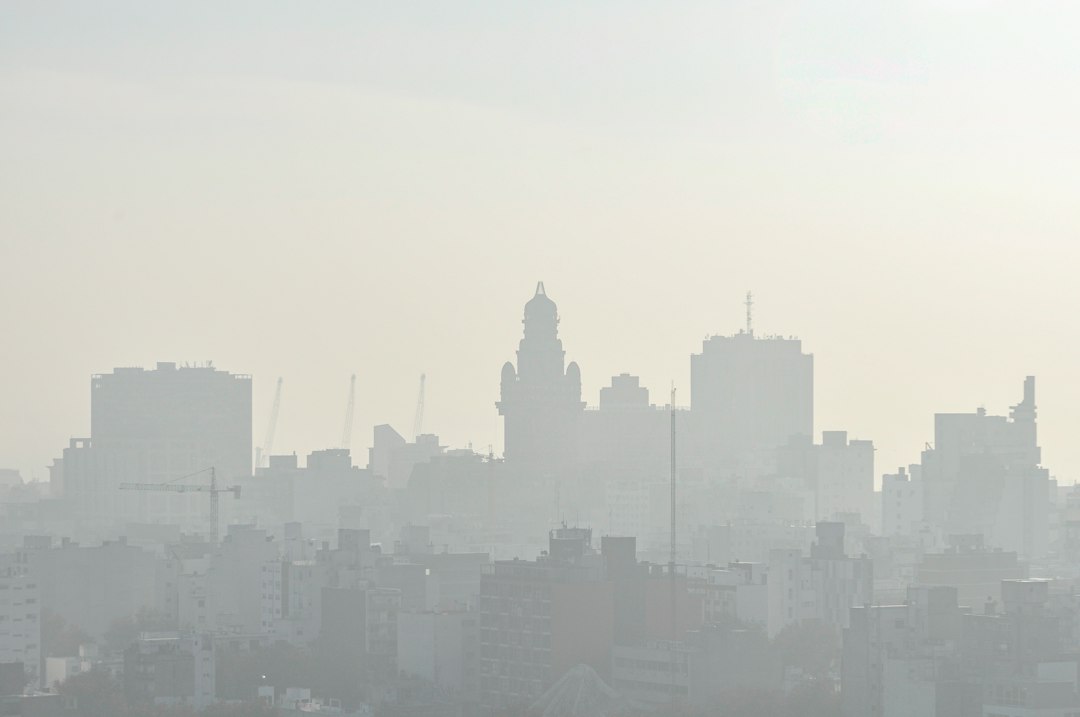
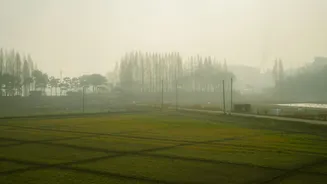
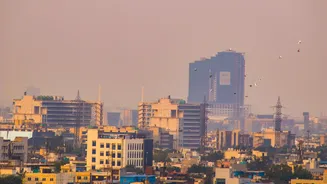
Cities across North India are grappling with hazardous air quality, with recent reports showing Bikaner and Bathinda recording AQI levels that seem to go beyond the official scale. Here’s what those alarming numbers actually mean.
Numbers Off The Charts
In early November, several
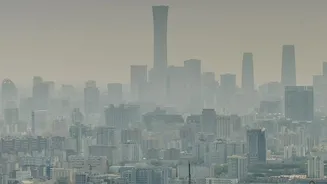
cities across North India reported alarming air pollution levels. On November 4, Rajasthan's Bikaner was reported as India's most polluted city with an Air Quality Index (AQI) of 1,357. A day earlier, Bathinda in Punjab reportedly recorded an AQI above 1,100. These figures, which also saw other cities in Haryana and Uttar Pradesh in the high hundreds, sparked widespread concern, especially because India's official AQI scale only goes up to 500. The readings highlighted a regional crisis extending far beyond Delhi, which itself recorded an AQI of 630 on the same list that ranked Bikaner at the top.
How Can AQI Exceed 500?
The confusion arises from a misunderstanding of how the AQI is presented. India's official National Air Quality Index, managed by the Central Pollution Control Board (CPCB), is a simplified public communication tool with six categories, capping the 'Severe' category at 500. The purpose is to signal a public health emergency; from a health perspective, the danger at an AQI of 500 is not significantly different from 900—both are hazardous. However, the raw data from air quality monitoring stations measures the actual concentration of pollutants, like PM2.5, in the air. These concentration levels can correspond to AQI values well beyond 500. So, while the official public scale stops at 500 for simplicity and to prevent panic, the underlying scientific measurement can and does go higher.
The Usual Winter Suspects
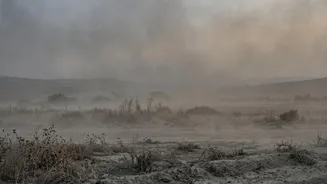
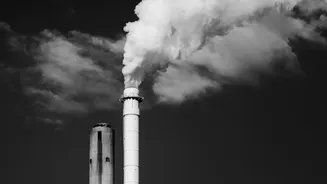
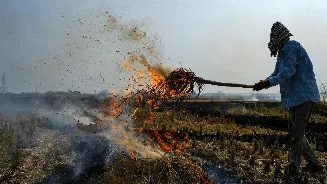
This severe pollution event is driven by a familiar combination of factors. The primary cause is post-harvest stubble burning in agricultural states like Punjab and Haryana. Despite some reports of a decline in farm fires compared to previous years, NASA satellite imagery from early November showed widespread fire hotspots across the region. These fires release enormous amounts of smoke and particulate matter. This is compounded by meteorological conditions. In winter, cooler temperatures and low wind speeds lead to temperature inversion, a phenomenon where a layer of warmer air traps cold, polluted air near the ground, preventing it from dispersing. Vehicular emissions, industrial pollution, and construction dust also contribute significantly to the toxic mix.
What This Air Does To Your Body
Breathing air with an AQI in the 'Severe' category (above 401) is dangerous for everyone, not just vulnerable groups like children, the elderly, and those with pre-existing conditions. The dominant pollutant, PM2.5, consists of fine particles that can penetrate deep into the lungs and enter the bloodstream. Shortterm exposure can cause coughing, wheezing, shortness of breath, and irritation of the eyes and throat. Prolonged exposure to such toxic air is linked to severe health impacts, including respiratory diseases like asthma and COPD, cardiovascular problems, and even cancer. When AQI levels are this high, health experts advise everyone to avoid outdoor activities and exertion.
Official Response and The Path Forward
In response to the deteriorating air quality, authorities in regions like Delhi–NCR have implemented measures under the Graded Response Action Plan (GRAP). These actions can include banning construction activities, restricting vehicle use, and increasing public transport frequency. However, these are emergency measures. The recurring nature of this crisis highlights the urgent need for systemic, year-round solutions. Experts point towards better incentives for farmers to manage crop residue without burning, stricter emission norms for industries and vehicles, and better dust control management. Without longterm strategies addressing the root causes, North India’s cities will likely continue to face this annual public health emergency.