







The Monsoon's Purple Gem
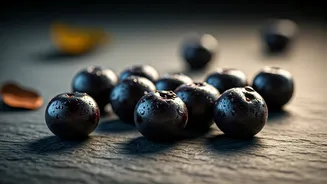
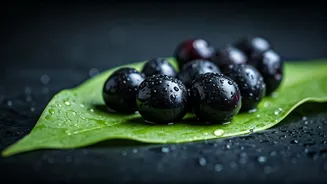
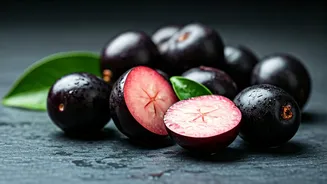
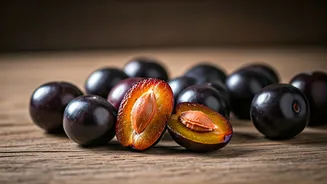
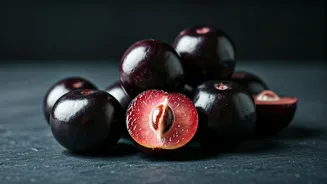
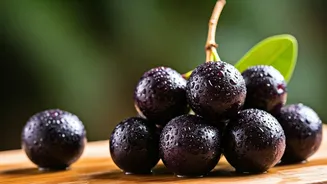
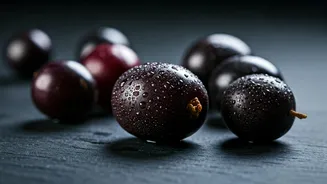
The fruit in question is the humble yet magnificent Jamun, also known as Java Plum or Black Plum. As soon as the air grows thick with the petrichor of the first rains, street-side carts and local markets begin to display conical piles of these glossy,
deep-purple jewels. For millions across India, the sight of Jamun is inextricably linked with the relief and romance of the monsoon. It's more than just a fruit; it's a sensory marker for a time of year, a nostalgic throwback to childhoods spent plucking them from trees or buying a paper cone's worth from a local vendor. Its arrival signals a shift in the seasons, a bounty that is as brief as it is beautiful, typically lasting from late May through August. This short window of availability only adds to its allure, making every handful a moment to be savoured.
A Symphony of Flavours
To describe the taste of Jamun is to describe a journey. The first bite offers a wave of sweetness, which is quickly followed by a pleasant, sharp tartness that makes your mouth water. But the experience doesn't end there. The finale is a distinct, lingering astringency—a puckering sensation known in many Indian languages as 'kasa'—that cleanses the palate. This complex flavour profile is precisely what makes it so addictive. It's not a simple, one-note sweetness. The most classic way to enjoy Jamun is straight from the bag, tossed with a pinch of black salt (kala namak). The salt masterfully balances the fruit's sweet, sour, and astringent notes, elevating the entire experience into something truly special. It’s a flavour combination that is etched into the culinary memory of the subcontinent.
A Treasure Trove of Benefits
Beyond its unique taste, Jamun has been celebrated in traditional Indian wellness practices for centuries. In Ayurveda, it is highly regarded for its digestive and cooling properties, making it a perfect antidote to the humidity of the monsoon. The fruit is a powerhouse of nutrients, packed with Vitamin C and iron, which can contribute to healthy skin and improved haemoglobin levels. Perhaps its most well-known traditional use is in managing blood sugar levels. Both the fruit and its seeds contain compounds that are believed to slow the rate at which sugar is released into the bloodstream. While modern science is still studying these effects, Jamun has long been a go-to recommendation in folk medicine for those looking to maintain healthy glucose levels. Of course, it's also rich in antioxidants, which help combat free radicals in the body.
From Street Carts to Modern Kitchens
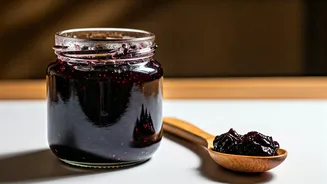
While eating Jamun fresh with a sprinkle of salt remains the most popular method, its distinctive flavour and vibrant colour have inspired a wave of culinary creativity. Today, you'll find Jamun moving from the street cart into gourmet kitchens and cafes. Chefs and home cooks are using it to make refreshing juices, tangy chutneys, and vibrant sorbets. The pulp can be turned into a delicious compote to top cheesecakes or swirl into yoghurt. Some innovative mixologists are even crafting Jamun-based cocktails and mocktails, like the 'Jamun-tini', which perfectly captures the fruit's sweet and sour essence. This versatility demonstrates that while Jamun is rooted in tradition, it has a firm place in the contemporary Indian food scene.
How to Pick the Perfect Batch
Since the Jamun season is so short, it's important to make the most of it. When buying, look for fruits that are plump, firm, and have a deep, uniform purple-black colour. Avoid any that are bruised, mushy, or have a shrivelled appearance. Lighter, reddish-purple fruits will likely be more sour and astringent. Once you bring them home, it's best to consume them within a day or two. Store them in the refrigerator in a paper bag or a loosely covered container to maintain their freshness. Wash them just before you plan to eat them. And remember, the iconic purple stain they leave on your fingers and tongue isn't a flaw—it's a badge of honour, a sign that you've truly indulged in the season's best offering.