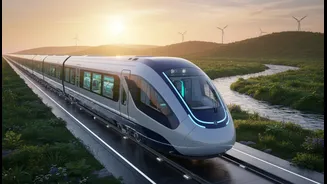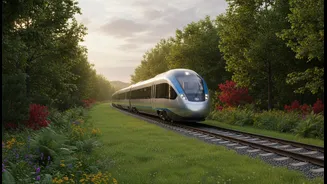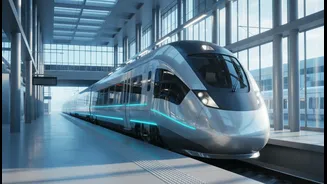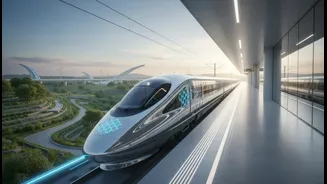







What Exactly Is a Hydrogen Train?
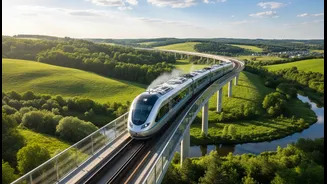
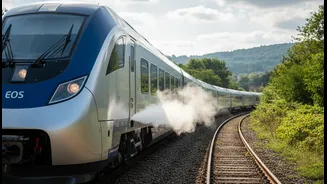
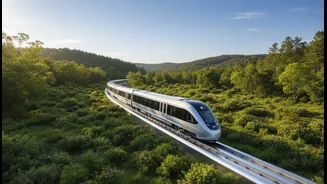
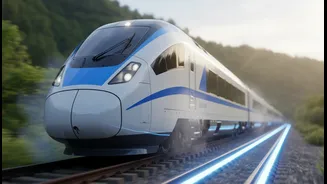
Think of a hydrogen train as a self-contained power plant on wheels. Instead of burning diesel or drawing power from overhead electric lines, it uses hydrogen fuel cells to generate its own electricity. Inside these cells, a chemical reaction between
hydrogen stored in onboard tanks and oxygen from the air produces electricity. This electricity then powers the train's motors. The most remarkable part of this process is its only byproduct: water vapour. This means the train moves with zero carbon emissions, making it a powerful tool in the fight against air pollution and climate change.
The Inaugural Journey: Jind to Sonipat
The first of these innovative trains is scheduled to be flagged off on July 17, 2026, and will operate on the 90-kilometre Jind-Sonipat route in Haryana. Following extensive trials where the 10-coach train reached speeds of up to 120 km/h, it will begin commercial service at an operational speed of 75 km/h. Officials state the train will make two daily round trips, covering about 356 kilometres each day. This pilot project, developed indigenously, positions India among a select group of nations like Germany and Japan that are actively deploying hydrogen rail technology.
The Bigger Picture: Hydrogen for Heritage
While the first route is a commuter line, the broader vision for this technology is a project called “Hydrogen for Heritage.” The plan involves deploying hydrogen trains on India’s iconic, narrow-gauge hill and heritage railway lines, such as the Kalka-Shimla route, a UNESCO World Heritage site. These scenic routes often run through ecologically sensitive areas where the noise and pollution from diesel engines are particularly damaging. Electrifying these difficult terrains with their numerous tunnels and steep gradients is often impractical and could compromise their heritage status. Hydrogen trains offer a perfect solution: a clean, quiet ride that preserves the unique charm of these historic lines while protecting their natural surroundings.
Benefits Beyond Zero Emissions
The advantages of hydrogen-powered trains extend far beyond their environmental credentials. By replacing diesel locomotives, they will help reduce India's reliance on imported fossil fuels, contributing to greater energy independence. The technology also offers a smoother, quieter journey for passengers, enhancing the travel experience, especially on tourist-focused heritage routes. Furthermore, this initiative, part of the 'Make in India' campaign, stimulates a domestic manufacturing ecosystem for advanced technologies like fuel cells and hydrogen storage systems, creating skilled jobs and economic opportunities.
Challenges on the Track Ahead
Despite the immense potential, the journey for hydrogen trains is not without its obstacles. A major challenge is the high initial cost. Each train costs an estimated ₹80 crore, with significant additional investment needed for ground infrastructure like hydrogen production and refueling stations. The environmental benefit also hinges critically on how the hydrogen is produced. For the trains to be truly 'green', the hydrogen must be generated using renewable energy sources like solar or wind. Currently, most hydrogen is produced from natural gas, which still has a carbon footprint. Scaling up green hydrogen production at an affordable cost remains a significant hurdle for widespread adoption.