






More Than Just a Number
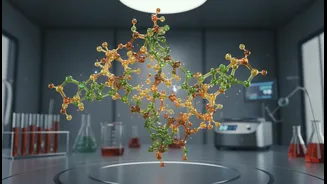
Focusing solely on a total protein number is like trying to build a house with only one type of brick. Proteins are complex molecules made up of smaller units called amino acids. There are twenty different amino acids, nine of which are considered “essential”
because our bodies can’t produce them; we must get them from food. Animal proteins are 'complete,' meaning they contain all nine essential amino acids in proportions our bodies need. Most plant foods, however, have a less optimal distribution, often being low in one or more essential amino acids like lysine or methionine. This doesn’t make them inferior, but it does mean that variety is non-negotiable.
Solving the Amino Acid Puzzle
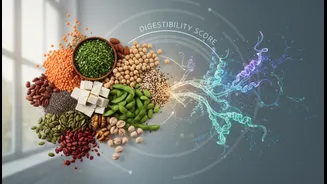
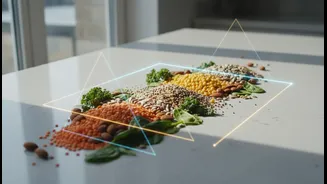
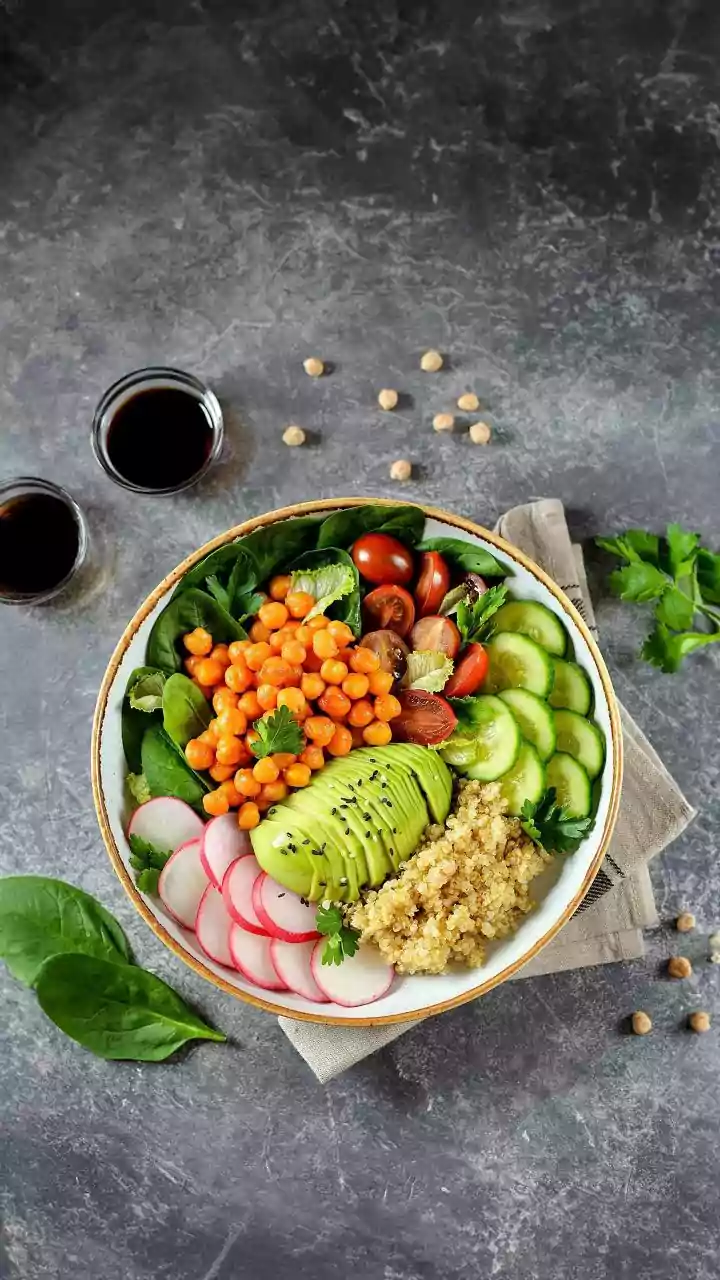
The idea that plant-based eaters must meticulously combine different foods at every single meal—like rice and beans—to form a 'complete' protein has been largely overstated. Nutrition science now shows that as long as you eat a variety of plant protein sources throughout the day, your body can pool the amino acids to get what it needs. The key is variety. Legumes like beans and lentils are often low in methionine but high in lysine, while grains are the opposite. By consuming a wide range of foods such as legumes, whole grains, nuts, seeds, and vegetables, you create a complete amino acid profile over the course of the day. Some plant foods, like soy, quinoa, and tofu, are considered complete proteins on their own, containing all nine essential amino acids.
The Bioavailability Blind Spot
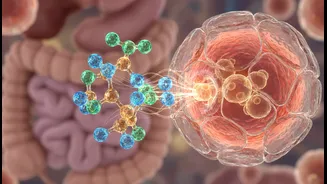
Another complication that simple tracking ignores is bioavailability, which refers to how much of the protein you consume is actually absorbed and used by your body. Plant proteins are generally less digestible than animal proteins. This is partly because of the fibrous nature of plants and the presence of compounds called 'anti-nutrients,' like phytates, which can slightly inhibit protein absorption. This means that to get the same benefit, a person on a plant-based diet might need to consume slightly more total protein than a meat-eater. Simply hitting a target on an app doesn't account for this crucial difference in absorption, again highlighting the need to focus on a sufficient quantity of diverse, high-quality plant sources.
Missing the bigger picture
When you hyper-focus on a single nutrient like protein, it's easy to develop nutritional tunnel vision. A well-rounded plant-based diet should also provide adequate amounts of other crucial micronutrients that can sometimes be harder to obtain without animal products. These include iron, vitamin B12, calcium, zinc, and certain omega-3 fatty acids. A diet rich in a variety of whole plant foods—leafy greens, legumes, nuts, seeds, and fortified products—is the best strategy for covering all your nutritional bases. Obsessing over one number on an app can distract from this more holistic and effective approach to health.
The Mental Toll of Tracking
Beyond the nutritional science, experts warn of the psychological cost of obsessive tracking. Using apps to count every calorie or gram of protein can foster an unhealthy relationship with food, increasing rigidity and anxiety around eating. For some, this behaviour can be a gateway to or an exacerbation of disordered eating patterns like orthorexia, an unhealthy obsession with 'healthy' eating. Studies have found a correlation between the use of calorie-counting apps and higher levels of eating disorder symptoms. The goal of a healthy diet should be to nourish your body and support overall well-being, not to create stress and fixation on numbers.