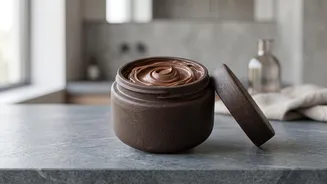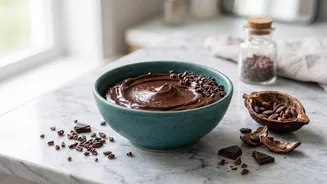






The idea of a chocolate face mask sounds like the ultimate indulgence. But is slathering your skin with cocoa just a decadent treat, or are there real benefits? More importantly, is it safe for sensitive skin? Let's unwrap the facts.
The Allure of Cocoa on Your Skin
The primary appeal
of chocolate in skincare comes from its main ingredient: cocoa. Dark chocolate with a high cocoa content is packed with powerful antioxidants called flavonoids. These compounds are known for fighting free radicals, which are unstable molecules that can damage skin cells and accelerate aging. Studies have shown that flavonoids can help protect the skin from UV damage, improve blood flow, and increase hydration. In theory, applying cocoa topically could deliver these antioxidant and anti-inflammatory benefits directly to your skin, helping to soothe irritation and promote a vibrant, youthful complexion.
Reality Check: Do They Really Work?
While the science behind cocoa's benefits is sound, dermatologists advise a dose of realism. The effectiveness of a chocolate face mask depends heavily on the concentration of cocoa and the quality of the other ingredients. Dr. Purvisha Patel, a board-certified dermatologist, notes that while dark chocolate is rich in skin-friendly minerals like zinc and magnesium, eating it is a more effective way to reap these benefits. When applied topically, the benefits often come from the entire formulation. Many store-bought masks may contain other active ingredients doing the heavy lifting. The consensus is that while a chocolate mask can be a hydrating and relaxing experience, it's not a miracle cure for skin concerns.
Navigating Skin Sensitivity and Allergies
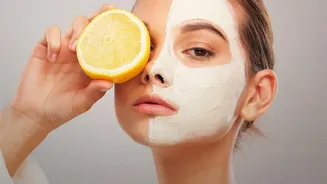
This is where caution is crucial. For those with sensitive, acne-prone, or reactive skin, a chocolate face mask can be a gamble. The issue often isn't the cocoa itself, but the other ingredients mixed in. Pre-made masks can contain fragrances, preservatives, and dyes that are common skin irritants. Even homemade masks carry risks. Ingredients like lemon juice or certain essential oils can be harsh and cause reactions. Furthermore, some recipes call for sugar or salt as exfoliants, but their jagged edges can create micro-tears in the skin. It is essential to remember that 'natural' does not always mean 'safe' for every skin type. An allergic reaction can manifest as redness, itching, or eczema.
A Simple, Safer Homemade Mask
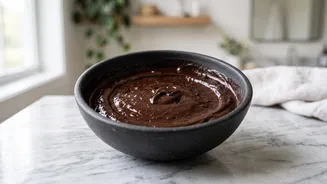
Creating your own mask allows you to control the ingredients. For a gentle and effective treatment, stick to the basics. Dermatologist Dr. Jessica Wu recommends a simple paste made from dark cocoa powder (at least 70% cacao) and plain yogurt. The cocoa provides antioxidants, while the lactic acid in yogurt offers a mild exfoliation to help unclog pores. For very dry or sensitive skin, you can substitute the yogurt with heavy cream or honey. Honey is a great addition as it has natural antibacterial properties and is a humectant, meaning it draws moisture into the skin. Mix one tablespoon of unsweetened cocoa powder with one tablespoon of your chosen base (yogurt or honey) to form a smooth paste. Before applying to your face, always perform a patch test on a small area of your inner arm to check for any reaction.
Tips for Choosing a Store-Bought Mask
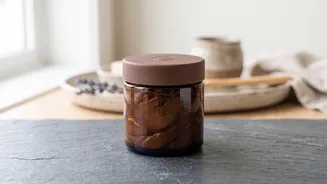
If you prefer the convenience of a storebought product, become a savvy labelreader. Look for masks where cocoa or 'Theobroma Cacao' is listed high on the ingredient list, indicating a higher concentration. Opt for formulas that are fragrancefree and contain other beneficial, nonirritating ingredients like hyaluronic acid for hydration or niacinamide for calming the skin. Be wary of products with a long list of chemicals or those containing alcohol, which can be drying. A good rule of thumb is that if the ingredient list is confusing or full of potential irritants, it's best to skip it, especially if you have sensitive skin.