




The Foundation: Strategic Planning
The secret to a successful budget trip lies in planning. Spontaneity is great, but a little foresight saves a lot of money. Start by choosing your destination wisely; places like Rishikesh, Hampi, Varanasi, or Pushkar are known for being budget-friendly.
Travel during the off-season to avoid surge pricing on everything from hotels to transport. Booking your travel and accommodation at least a few weeks in advance can also lock in lower prices compared to last-minute arrangements. A rough day-by-day plan helps you anticipate costs and stick to your ₹5,000 limit without feeling restricted.
Transport: The Biggest Saver
Transportation often takes the largest slice of any travel budget, so this is where you can make the most significant savings. Indian Railways is the undisputed champion of budget travel. Opting for sleeper class or even 3AC on an overnight train not only costs a fraction of a flight but also saves you the cost of one night's accommodation. For shorter distances, state-run and private buses are excellent alternatives. Shared autos and local buses are perfect for getting around within your destination, allowing you to cut down on expensive private cabs.
Accommodation: Smart and Affordable Stays
Forget expensive hotels. The budget-savvy traveller embraces alternative accommodations. India has a thriving network of backpacker hostels in most tourist destinations, with chains like Zostel and goSTOPS offering clean and safe dormitory beds for as little as a few hundred rupees per night. These hostels are also fantastic places to meet fellow travellers. For those seeking more privacy or a local experience, homestays and guesthouses are a great option. They are often cheaper than hotels and provide a glimpse into the local culture. Platforms like Airbnb can also offer affordable private rooms or entire apartments, especially if you are travelling in a group.
Food: Eat Local, Save Big
One of the best ways to experience a new place is through its food, and thankfully, in India, the most authentic food is also the cheapest. Skip the fancy restaurants that cater to tourists and dive into the world of local dhabas and street food stalls. A delicious and filling 'thali' meal at a local eatery can often be found for under ₹100-150. Street food favourites like samosas, vada pav, or momos can be a satisfying snack or even a light meal for less than ₹50. Eating this way allows you to sample a wide variety of local cuisine while keeping your daily food budget as low as ₹300-600. Carrying a reusable water bottle and some snacks also helps you avoid marked-up prices at tourist spots.
Activities: The Best Things in Life Are (Almost) Free
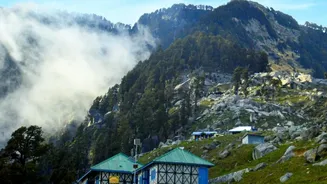
A tight budget doesn’t mean a boring trip. Many of the most memorable travel experiences cost very little or nothing at all. Exploring a city on foot, visiting temples and other places of worship, relaxing by a river, hiking to a viewpoint, or simply soaking in the atmosphere at a local market are all free activities. Many destinations are famous for their natural beauty, such as the ghats of Varanasi or the hills of McLeod Ganj, which are free to enjoy. Instead of ticking off expensive tourist attractions, focus on experiences. Attend the evening Ganga Aarti in Rishikesh, explore ancient ruins in Hampi, or watch the sunset from a fort in Jaipur—these are priceless moments that fit perfectly within a budget.