






1. Maharashtra: Navigating Coastal Downpours
Maharashtra, particularly its coastal Konkan region including Mumbai, is experiencing intense rainfall. The India Meteorological Department (IMD) has issued warnings for heavy to very heavy showers, leading to waterlogging in low-lying areas and disrupting
road and rail traffic. Local train services in Mumbai have faced delays, and key arteries like the Mumbai-Pune Expressway have seen closures due to landslides. Extremely heavy rainfall has been recorded in Mumbai, with officials advising residents to avoid non-essential travel. For travellers, this means checking flight statuses, which have been affected, and being prepared for significant delays and potential flooding. The IMD has warned that the intense rainfall could lead to flash floods and rough sea conditions along the coast.
2. Uttarakhand: Caution in the Hills
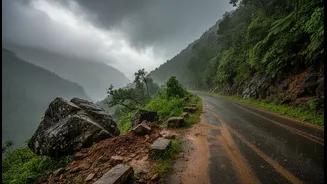
The hill state of Uttarakhand is on high alert for widespread rain, which is expected to continue for several days. The primary risk for travellers here is landslides and falling debris, which frequently cause road blockages on national highways and local routes. Traffic on the Yamunotri National Highway has already been disrupted. The IMD has forecast heavy rainfall for the state from July 8 to 13 and has also indicated a low to moderate risk of flash floods in some areas. Travellers planning trips to mountainous destinations should build extra days into their itineraries, monitor road conditions closely, and strictly follow local advisories to avoid getting stranded.
3. Kerala: High Alert for Floods and Landslides
Kerala is witnessing widespread rainfall, with the IMD issuing red and orange alerts for several districts. The state has a high risk of landslides, flash floods, and rising river levels. A tragic landslide recently occurred in Wayanad, which had received extremely heavy rainfall. Authorities have urged people in vulnerable areas to move to safer locations and have advised caution for those living near riverbanks. For tourists, this means that popular backwater and hill station destinations may be inaccessible or unsafe. It is critical to stay informed about local conditions and avoid travel to areas under a red or orange warning.
4. Assam: Floods in the Northeast
In the Northeast, Assam is grappling with heavy to very heavy rainfall, along with neighbouring states like Arunachal Pradesh and Meghalaya. This has led to widespread rainfall and a risk of flash floods. The IMD has warned of continued heavy showers over the coming week. This can cause severe disruptions, with rivers like the Brahmaputra often overflowing and inundating large areas. Travellers should be aware that road and rail networks can be affected, and some national parks and tourist sites may be closed due to flooding. It is essential to check with local tour operators and authorities before finalising any travel plans to the region.
5. Gujarat: Flash Flood and Squall Risks
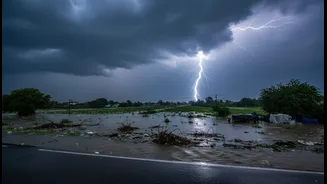
Gujarat is facing a dual threat of extremely heavy rainfall and thundersqualls with high wind speeds, particularly in the Saurashtra and Kutch regions. The IMD has warned of a moderate flash flood risk for parts of the state. Heavy rainfall has already caused significant waterlogging in cities like Junagadh and disrupted daily life in districts such as Alwar and Ajmer. The advancement of the Southwest Monsoon is bringing widespread rain across the state. Travellers should be cautious of sudden weather changes, potential flooding in urban and rural areas, and disruptions to transport services. Air travel has also been impacted, with flights being diverted due to poor weather.
6. Himachal Pradesh: Landslide Dangers in Popular Tourist Spots
Like Uttarakhand, Himachal Pradesh is another popular hill destination where heavy monsoon rains pose a significant threat. The IMD has forecast widespread rain for several days and has issued warnings for heavy rainfall from July 8 to 13. This increases the vulnerability of the region to landslides and mudslides, which can block roads and isolate popular tourist towns. Over-tourism during summer can already strain resources, and the addition of severe weather makes travel riskier. Anyone planning to visit Shimla, Manali, or other destinations should have a flexible schedule and be prepared for weather-related travel disruptions.