



What Exactly Is the Perseid Meteor Shower?
Every year in mid-August, Earth ploughs through a trail of cosmic dust and debris left behind by a giant comet named 109P/Swift-Tuttle. This comet, which takes 133 years to orbit the sun, leaves a cloud of tiny particles in its wake. When our planet passes
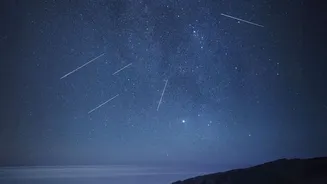
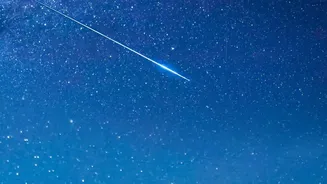
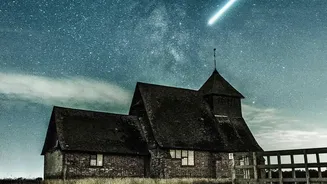
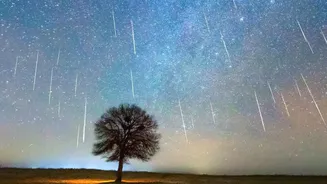
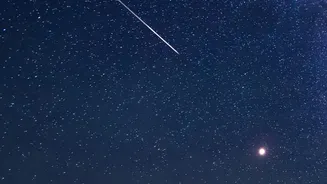
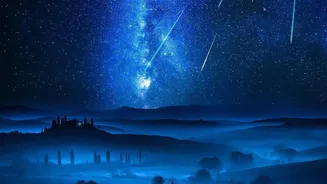
through this stream, these particles—some no bigger than a grain of sand—slam into our atmosphere at incredible speeds, burning up and creating the brilliant streaks of light we call meteors, or shooting stars. They are called the Perseids because the meteors appear to radiate from the constellation of Perseus, the Hero. The shower is famous for producing bright, fast meteors that often leave persistent, glowing trails, and even the occasional fireball—a dramatically bright meteor that can light up the entire sky for a moment.
Why 2026 Promises an Exceptional Show
This year is shaping up to be one of the best for the Perseids in recent memory for one simple reason: the moon. The shower is set to peak on the night of August 12 and into the pre-dawn hours of August 13. Crucially, August 12 is the date of the New Moon, meaning the sky will be completely dark and free of moonlight. A bright moon can easily wash out fainter meteors, but with moonless conditions, we have the chance to see the shower in all its glory. Under ideal conditions—far from city lights with a clear view—sky-gazers could potentially see between 50 and 100 meteors per hour during the peak. This is a rare opportunity to witness the shower at its most prolific.
The Monsoon Challenge and Where to Watch
For observers in India, the biggest obstacle is the weather. August is peak monsoon season for most of the country, and cloud cover can completely block the show. However, a break in the clouds is all you need. Keep a close watch on your local weather forecast for the nights of August 12 and 13. If a clear window is predicted, it’s worth staying up for. For those truly dedicated to getting a guaranteed view, the best bet is to travel to rain-shadow or high-altitude regions. Areas like Ladakh and Spiti in the Himalayas, or the arid regions of Rajasthan and the Rann of Kutch in Gujarat, are known for having clearer skies during the monsoon and offer the best chances in the country for an unobstructed view. Hanle in Ladakh, home to India's first Dark Sky Reserve, is a prime location.
Your Viewing Guide: When and How to Look
The absolute best time to watch will be from midnight until just before dawn on the mornings of August 12 and August 13. While the official peak for India is predicted around 8:23 PM IST on August 13, the most meteors will be visible in the early morning hours when the Perseus constellation is higher in the sky. Find a spot away from city and street lights; the darker your location, the more you will see. You don't need a telescope or binoculars, as the meteors will streak across large portions of the sky. Simply lie back on a blanket or reclining chair, let your eyes adjust to the darkness for about 20-30 minutes, and look up. While the meteors originate from Perseus in the northeast, they can appear anywhere, so a wide, open view of the sky is best.
A Simple Checklist for Success
To maximise your chances of a memorable night, follow these simple tips. First, prioritise darkness. Get as far away from urban light pollution as possible. Second, check the forecast relentlessly. Hope for a patch of clear sky between the monsoon clouds. Third, give your eyes time. It takes at least 20 minutes for your vision to fully adapt to the dark, revealing the fainter meteors. Fourth, be patient. Meteor showers are a game of patience; there can be lulls followed by bursts of activity. Finally, dress comfortably. Even in August, the early morning hours can get chilly, so bring a light jacket or blanket. With a bit of luck and preparation, you could be in for an unforgettable celestial performance.