


Fasting Flours and Grains
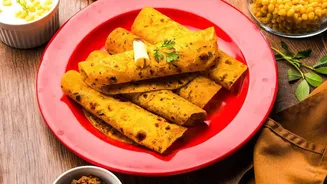
Many devotees observe a fast (vrat) on Janmashtami, consuming only specific foods. To prepare traditional vrat-friendly meals, your kitchen will need a selection of special flours. Stock up on Singhare ka Atta (water chestnut flour), Kuttu ka Atta (buckwheat
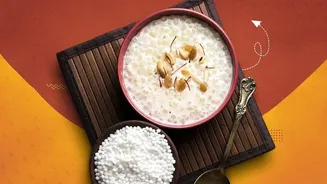
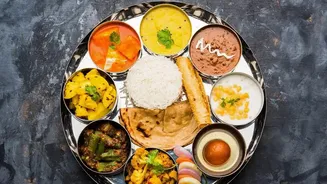
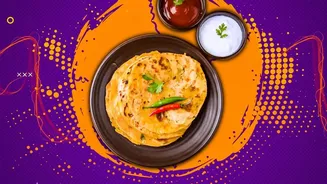
flour), and Rajgira ka Atta (amaranth flour). These are used to make puris, pakoras, and halwa. Samak ke Chawal (barnyard millet) and Sabudana (tapioca pearls) are also crucial for making comforting dishes like khichdi and kheer, providing energy throughout the day of fasting. These ingredients form the base of a satisfying Phalahar meal, consumed after the midnight puja.
Dairy Delights for Lord Krishna
Janmashtami celebrations are incomplete without dairy, a nod to Lord Krishna's childhood love for milk, butter, and curd. The most important offering is Makhan Mishri, a simple mixture of fresh white butter and rock sugar. Ensure you have plenty of full-cream milk for making fresh curd, paneer for sweets, and ghee (clarified butter), which is the primary cooking medium for most festival dishes. Another vital preparation is Panchamrit, a sacred concoction of five ingredients: milk, curd, ghee, honey, and sugar, often garnished with Tulsi leaves.
Sweeteners, Spices, and Nuts
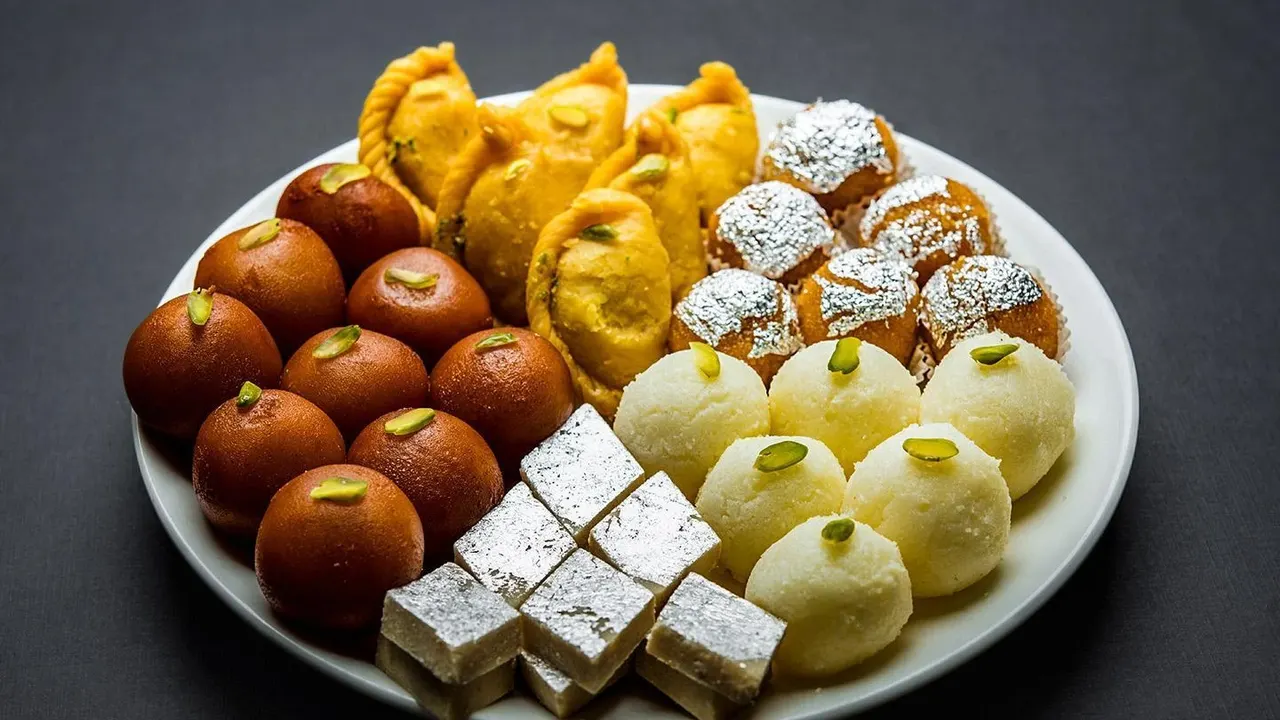
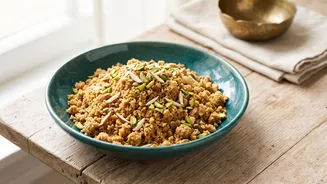
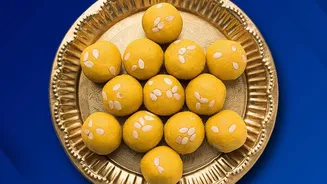
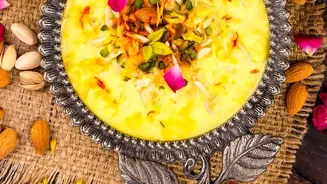
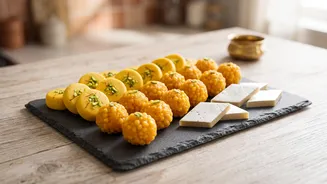
Sweets are the heart of Janmashtami prasad. A star preparation is Dhaniya Panjiri, a unique sweet made from roasted coriander powder, ghee, powdered sugar, and loaded with nuts. For this, you'll need Dhaniya (coriander) powder, edible gum (gond), and a generous assortment of dry fruits like almonds, cashews, pistachios, and raisins. Phool Makhana (fox nuts) are essential for making Makhana Kheer or the crunchy Makhana Paag. For sweeteners, have Mishri (rock sugar), jaggery, and regular sugar on hand. The key spice for fasting dishes is Sendha Namak (rock salt), as regular salt is avoided.
Fruits and Fresh Offerings
Fresh fruits are an integral part of the bhog (offering) to Lord Krishna. Bananas, pomegranates, apples, and pears are popular choices. Fresh coconut is also widely used, either as slices in the offering or grated for use in sweets. Gopalkala, a savoury mixture symbolic of Dahi Handi, is another traditional dish made with poha (flattened rice), curd, cucumber, and coconut, so be sure to have these ingredients ready. A few Tulsi leaves are considered indispensable, placed on almost every food item offered during the puja.
Essential Kitchen Tools and Utensils
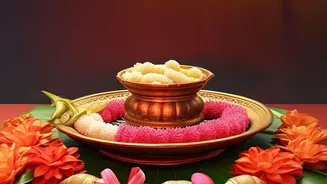
Having the right tools can make festival cooking much smoother. A heavy-bottomed pan or kadhai is essential for frying puris and pakoras, as well as for roasting ingredients for Panjiri. If you plan to make fresh paneer, a paneer mould can be very helpful for getting a perfect, even block. Keep a separate set of puja thalis and small bowls for arranging the naivedyam (food offered to the deity). And since ghee is used so frequently, having a dedicated ghee pot with a spoon keeps it clean and ready for puja and cooking. These small preparations ensure your focus remains on devotion and celebration rather than last-minute kitchen scrambles.