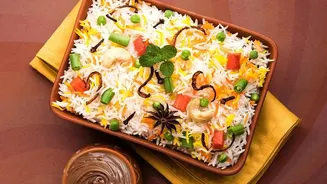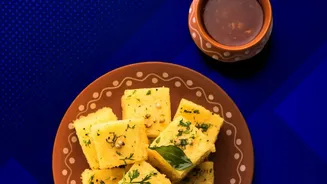

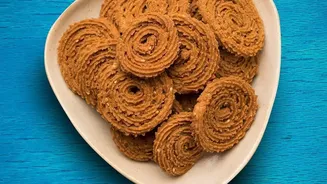
The 10-Minute Craving
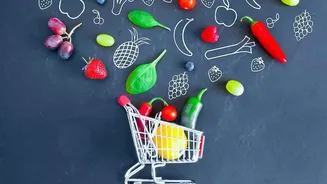
The single biggest catalyst in this transformation is the meteoric rise of quick commerce. Platforms promising deliveries in 10 to 30 minutes have turned snacking from a planned purchase into an on-demand service. This model thrives on impulse. For urban
consumers juggling long work hours and hectic commutes, the ability to get a packet of chips, a cold beverage, or a ready-to-eat meal delivered almost instantly is a game-changer. Impulse-driven categories like snacks and confectionary have seen a significant surge in demand on these platforms. This isn't just replacing traditional shopping trips; it's creating new consumption moments. The ease of access is encouraging people to buy snacks they might have otherwise skipped, leading to an overall increase in consumption.
A Lifestyle Built on Speed
This trend isn't happening in a vacuum. It's a direct reflection of deeper societal shifts. Rapid urbanisation and an increase in dual-income households mean there is less time for traditional meal preparation. The classic structure of three meals a day is increasingly being replaced by 'snackification,' where smaller, more frequent bites fit into a busy schedule. Ready-to-eat products are no longer just emergency options but deliberate daily choices for millions. This demand for speed and ease is met with products designed for a life on the go: single-serving packs, resealable bags, and items requiring minimal preparation. Convenience is no longer a luxury but a fundamental expectation.
Beyond the Potato Chip
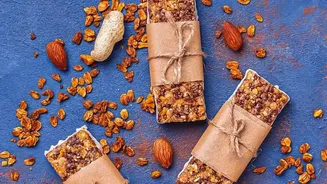
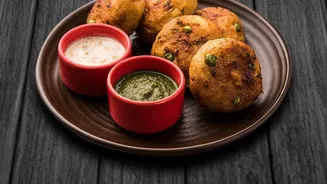
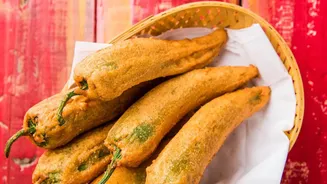
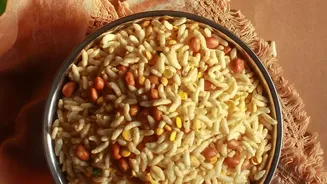
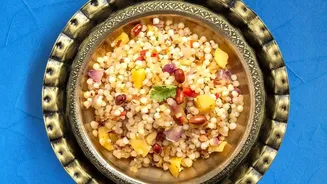
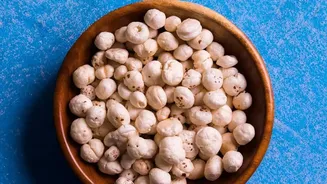
While traditional favourites remain popular, the definition of a 'snack' is expanding. Health consciousness, once a niche concern, has become a mainstream purchase driver. A growing number of consumers, especially in cities, are reading labels and seeking out healthier alternatives like baked snacks, makhana (fox nuts), protein bars, and products made with millets like jowar and ragi. This has given rise to a 'Better-for-You' category, which is projected to grow significantly. Interestingly, this isn't about replacing indulgent snacks but complementing them. Consumers are creating a balanced snack portfolio: healthier options for daily, functional eating and traditional, comforting snacks for weekends or social gatherings.
The New Digital Shelf
The rise of quick commerce has also democratised the marketplace. On a physical store shelf, established brands with vast distribution networks naturally dominate. On an app, however, a smaller, direct-to-consumer (D2C) brand can appear right next to a market leader. This has made quick commerce a powerful engine for discovery and trial. Consumers are finding and adopting new brands at an unprecedented rate, basing decisions on reviews, ingredients, and packaging rather than just brand legacy. In response, large FMCG companies are also adapting, focusing on digital marketing, creating online-friendly packaging, and ensuring their products are prominently featured on these new digital shelves. Even traditional kirana stores are evolving, partnering with delivery aggregators to maintain their relevance in a digital-first world.