




The Power Packed in a Peel
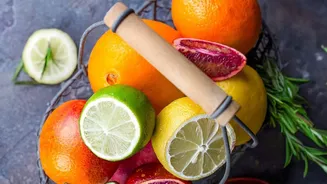
That orange or lemon peel you're about to discard is a treasure trove of potent bioactive compounds. The rinds of citrus fruits are exceptionally rich in flavonoids, such as hesperidin and naringin, which are powerful antioxidants. These compounds are concentrated
in the peel and the white pith, often in higher amounts than in the juice itself. But the star of the show for gut health is a soluble fibre called pectin. Pectin is what gives marmalade its gel-like consistency, and it works its magic inside your digestive system too.
A Prebiotic Feast for Your Gut
Your gut is home to trillions of microorganisms, and keeping the beneficial ones happy is key to overall health. Pectin from citrus peels acts as a prebiotic, which is essentially food for your good gut bacteria, like Bifidobacterium and Lactobacillus. When these friendly microbes feast on pectin, they produce short-chain fatty acids (SCFAs). These SCFAs help strengthen the lining of your intestine, reduce inflammation, and can even improve how your body manages blood sugar and fat. Studies suggest that a diet rich in these compounds can help create a more balanced gut microbiome, which is linked to better digestion, a stronger immune response, and reduced risk of metabolic issues.
Preparing Rinds the Right Way
Before you start cooking with citrus peels, a little prep is essential. Since you're eating the outer layer, it’s best to choose organic, unwaxed citrus whenever possible to avoid ingesting pesticides. Regardless, always give the fruit a thorough wash under warm running water, using a vegetable brush to scrub the surface lightly. If you're sensitive to bitterness, you can remove some of the white pith from the inside of the peel with a sharp knife, although this part also contains beneficial pectin. Boiling the peels briefly can also help reduce bitterness before using them in recipes.
Zest for Life: Simple Kitchen Uses
Integrating citrus peels into your diet is easier than you think. The simplest way is to zest them. Use a microplane or the fine side of a grater to remove the colourful outer layer, avoiding the white pith. You can add fresh zest to salads, yoghurt, baked goods, and marinades. For longer storage, spread the zest on a plate to dry for a day or two, or freeze it in small portions. You can also make a flavourful citrus salt by rubbing fresh zest into coarse sea salt; it's a wonderful finishing touch for vegetables, soups, and grilled dishes.
Beyond the Zest: Flavourful Ideas
Ready to get more creative? Try making candied citrus peels. Simmering strips of peel in a sugar syrup creates a sweet, chewy treat that’s perfect for garnishing desserts or enjoying on its own. You can also dehydrate peels and grind them into a powder to add to your tea blends, spice mixes, or smoothies for a concentrated burst of flavour and nutrients. Infusing vinegar or olive oil with large strips of peel is another excellent way to capture their essence. For a truly zero-waste approach that echoes traditional Indian pickles, consider preserving lemon peels in salt to create a tangy condiment that's both delicious and great for digestion.