







The Emotional Equation
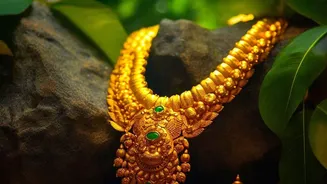
For most families in India, jewellery isn't just a financial asset; it's a legacy. Ornaments are often heirlooms passed down through generations, carrying immense sentimental value. Selling a piece of family jewellery is a permanent decision. Once it's gone,
it cannot be retrieved, and this emotional cost is something that cannot be measured in rupees. A gold loan, on the other hand, allows you to retain ownership. You are simply using the jewellery as collateral, and you can get it back once the loan is repaid. If the pieces in question are treasured heirlooms, a loan is almost always the less heart-wrenching choice.
Short-Term Crisis or Long-Term Need?
The nature of your financial requirement should guide your decision. A gold loan is perfectly suited for temporary cash flow problems, such as covering medical expenses, paying for education fees, or managing a short-term business need. The key condition is having a clear path to repayment. If you are confident in your ability to repay the loan within the specified tenure, it's an effective way to get liquidity without losing your asset. Conversely, selling makes more sense if you need a large, permanent infusion of cash and do not want the burden of repayment. This could be for clearing high-interest debt or making a down payment where taking on another loan is not feasible.
The Financials of a Gold Loan
When you take a gold loan, you don't get 100% of your jewellery's value. Lenders provide a loan based on a Loan-to-Value (LTV) ratio, which is capped by the Reserve Bank of India. Typically, you can get up to 75% of your gold's assessed value as a loan. Interest rates for gold loans are generally lower than for unsecured personal loans and can range from around 9% to 24% per annum, depending on the lender and the scheme. There are also processing fees and valuation charges to consider. The primary financial benefit is that you retain ownership of an asset that may appreciate in value in the future.
The Financials of Selling Jewellery
Selling your gold provides immediate cash without any repayment obligations. However, the amount you receive is never the full market price of gold. Jewellers will first assess the purity (e.g., 22K or 18K) and net weight of the gold, excluding any stones or embellishments. From this value, they deduct charges for melting and refining, which can be 2-5%. Crucially, you will lose the entire amount you paid as making charges when you first bought the piece, which could have been anywhere from 10% to over 25% of the jewellery's cost. What you receive is the melt value of the gold, which can be significantly lower than what you initially paid.
Speed, Convenience, and Risks
Both options are relatively quick. Gold loans are known for their rapid disbursal, often within a few hours, with minimal documentation required. Selling can also be instant if you walk into a jeweller, but finding the best price might require visiting multiple buyers. The risks are different for each path. With a gold loan, the biggest risk is default. If you fail to repay the loan and interest on time, the lender has the right to auction your jewellery to recover their dues. When selling, the primary risk is getting a poor valuation. There's no repayment risk, but you permanently lose the asset and any potential for future price appreciation.