








The B12 Blind Spot in Plant-Based Diets
Vitamin B12, or cobalamin, is a powerhouse nutrient essential for several critical bodily functions. It helps create DNA, forms healthy red blood cells, and maintains the proper function of our nervous system. A lack of it can lead to everything from
persistent fatigue to irreversible nerve damage. The crucial fact for anyone on a plant-based diet is that B12 is not made by plants or animals. It's synthesized by microorganisms found in soil and water. Animals get B12 by consuming these microorganisms, and the vitamin then accumulates in their tissues and milk. Historically, humans likely got B12 from less-sanitized produce and water, but modern hygiene practices have eliminated this unreliable source. This means that, unlike most other vitamins, B12 is virtually absent from a purely plant-based diet unless it's added artificially.
From Deficiency to Anemia
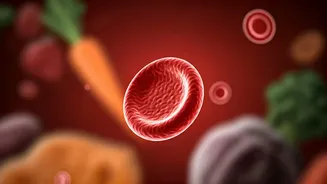
It's important to distinguish between B12 deficiency and B12 deficiency anemia. A deficiency simply means your body's stores of the vitamin are low. Anemia is a more advanced stage where the lack of B12 has impaired the body's ability to produce fully functional red blood cells. Without enough B12, the bone marrow produces large, immature, and misshapen red blood cells (a condition called megaloblastic anemia) that cannot carry oxygen effectively. This leads to classic anemia symptoms like fatigue, weakness, and shortness of breath. Because the body can store B12 for a few years, symptoms might not appear immediately after switching to a plant-based diet, making the deficiency a silent problem until it becomes severe.
Recognising the Red Flags
The symptoms of B12 deficiency can be wide-ranging and are often mistaken for other conditions. Early signs can be subtle, including persistent fatigue, weakness, and light-headedness. A classic sign of B12-related anemia is a pale or yellowish tinge to the skin, known as jaundice. More specific neurological symptoms can also develop, as B12 is vital for nerve health. These may include a tingling or 'pins and needles' sensation in the hands and feet, difficulty with balance, memory problems, and even mood changes like depression or irritability. Some people also report a sore, red tongue or mouth ulcers. If left untreated, these neurological issues can become permanent.
The Solution: Fortification and Supplementation
The good news is that preventing B12 deficiency on a plant-based diet is straightforward with a little planning. The most reliable methods are consuming B12-fortified foods and taking supplements. Many plant-based products are now fortified with B12, including plant milks (soy, almond, oat), breakfast cereals, meat substitutes, and nutritional yeast. Nutritional yeast, a flaky, cheesy-tasting powder, is a particularly popular and potent source for vegans. However, it's crucial to read labels, as not all these products are fortified. While some plant foods like certain mushrooms and seaweeds (nori) may contain some B12, the amounts can be variable and are not considered a reliable daily source. For many, a dedicated B12 supplement is the simplest and most effective way to ensure adequate intake.
Your B12 Action Plan
The recommended daily intake for adults is about 2.4 micrograms (mcg), though some Indian guidelines suggest 1 mcg. Pregnant and breastfeeding women need more. To ensure you meet your needs, aim to regularly include fortified foods in your diet. One cup of fortified plant milk can provide a significant portion of your daily requirement. If you rely on supplements, cyanocobalamin is the most stable and well-researched form. Doses often appear high (e.g., 500-1000 mcg) because the body only absorbs a small fraction of a large dose. Taking a supplement a few times a week is often sufficient. If you are experiencing symptoms or have been on a strict plant-based diet for several years without supplementing, it is wise to get your levels checked by a doctor. A simple blood test can confirm a deficiency, and your doctor can recommend the appropriate course of action, which might initially involve higher doses or even injections to restore your levels quickly.