





Why a Post-Monsoon Safari is Magical
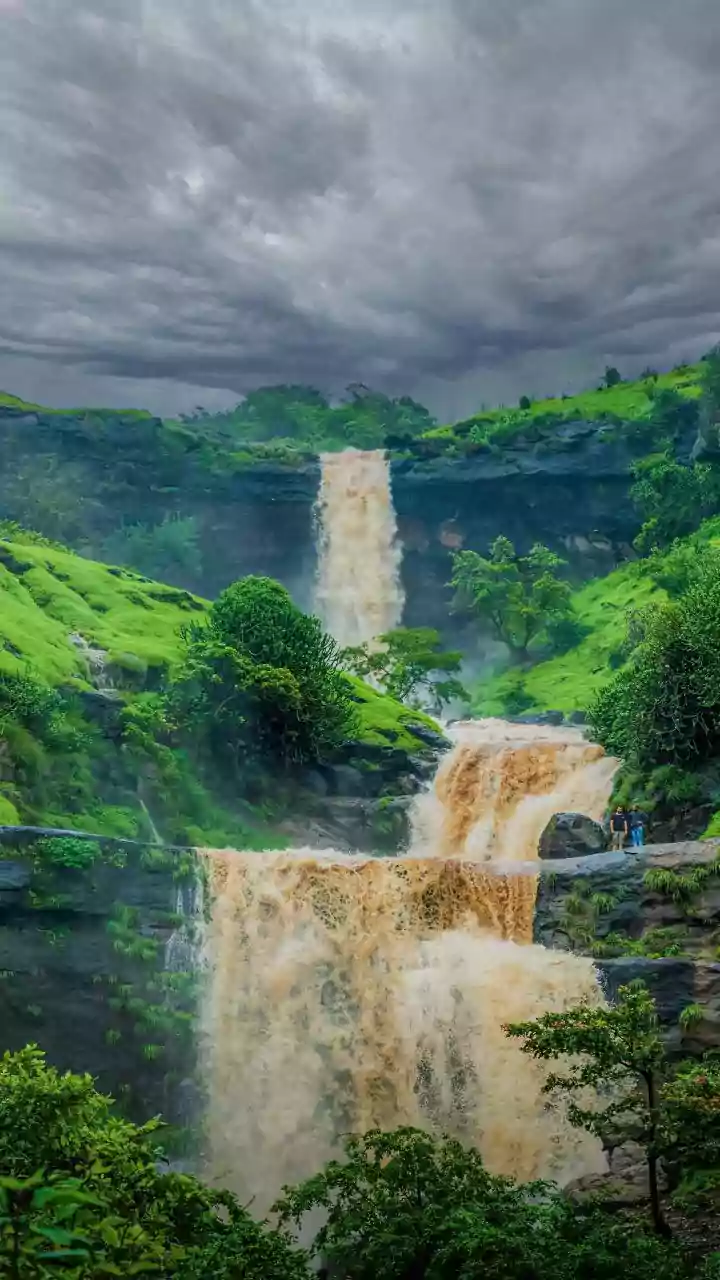
The period from October to December is a spectacular time for a safari in India. Most national parks, closed during the heavy rains, reopen their gates to reveal breathtaking landscapes. The forests are dense and vibrant, waterholes are full, and the air
is fresh and cool. While the thick vegetation can sometimes make spotting tigers a bit more challenging, the animals are highly active. You will find that tigers and other predators often use the safari trails to avoid the damp undergrowth, potentially leading to incredible sightings. It is also a fantastic season for birdwatching, as many migratory species arrive during these months.
Crucial Pre-Trip Checks
A smooth safari experience begins long before you reach the park gates. First, secure your permits. Safari slots in popular tiger reserves are limited and sell out months in advance, so book your entry permits and vehicle permits online as early as possible. This is especially critical during peak seasons like Diwali holidays. When booking, you will need to provide a government-issued photo ID (like an Aadhaar card or passport), as the original ID must be carried with you and will be checked at the gate. Double-check that all details on your permit, including names and ID numbers, are accurate to avoid any issues. Lastly, confirm your accommodation and guide details. Reputable lodges often assist with permit booking, simplifying the process.
Clothing: Dress in Earthy Layers
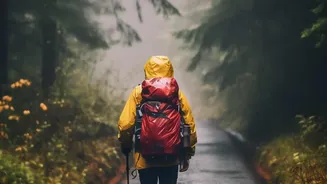
What you wear is crucial for both comfort and blending in. The golden rule is to choose neutral, earthy tones like khaki, olive green, beige, and brown. Avoid bright colours like red and yellow, as well as stark white, which can startle animals. Layering is key. Early morning drives in an open jeep can be surprisingly cold, even in otherwise warm months, so start with a base layer, add a full-sleeved shirt, and top it with a fleece or a windproof jacket. As the sun climbs, you can peel off layers. Full-length trousers and long-sleeved shirts made of breathable cotton are ideal, as they protect you from the sun and insects.
Essential Gear and Gadgets
Beyond clothing, a few key items will elevate your safari. A good pair of binoculars is non-negotiable; they are often more useful than a camera for spotting distant birds and wildlife. For photographers, a camera with a zoom lens (at least 300mm) is recommended to capture those incredible moments. Don't forget to pack extra batteries and memory cards, as you will not have a chance to recharge during a drive. A dust-proof bag or cover is essential to protect your electronics from the unpaved tracks. Since mobile phones are often banned or must be switched off and stowed away inside parks, focus on dedicated camera gear.
Health, Safety, and Other Essentials
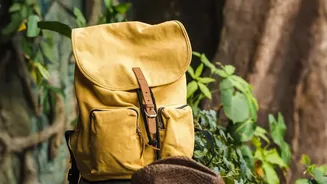
To stay comfortable and safe, pack a small day bag with essentials. Include a high-SPF sunscreen, sunglasses, and a hat or cap to protect against the sun. A scarf or bandana is great for shielding your face from dust. Insect repellent is a must, especially with the post-monsoon foliage. Also carry a basic first-aid kit with any personal medications, pain relievers, and antiseptic wipes. A reusable water bottle is important to stay hydrated, and packing some light snacks like energy bars can be helpful on long drives. Finally, carry some cash for tips and small purchases in remote areas where digital payments might not be available.