




The Myth of the 'Perfect' Season
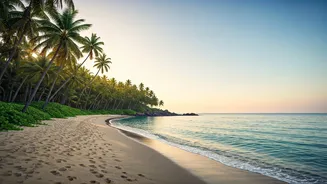
The period from November to February is widely marketed as the best time to visit Goa, with its pleasant weather and festive buzz. [12] This is the Goa of postcards: packed beaches, thumping nightlife, and premium pricing for flights and hotels. [6] While
perfect for some, this version of Goa can feel overwhelming and expensive. The off-season, particularly the monsoon months of June through September, presents a compelling alternative for those seeking a different kind of magic. [10, 14] It’s a time to trade crowds for quiet and to see the state breathe at its own, more natural pace. [11]
A Landscape Reborn in Green
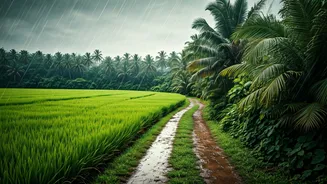
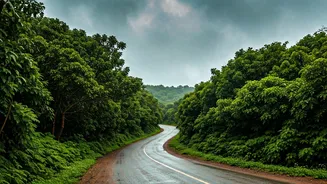
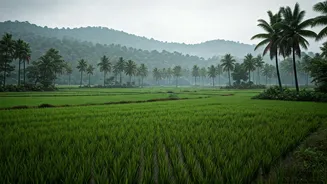
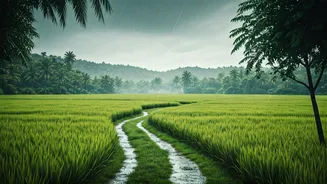
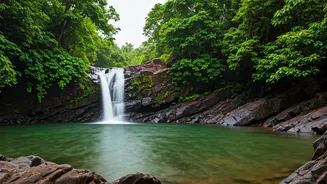
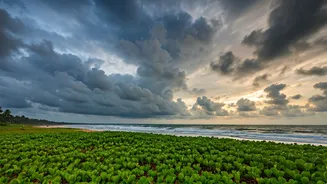
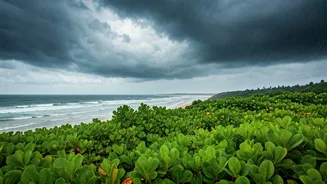
The first and most dramatic change the monsoon brings is the colour. The rain washes the dust away, transforming the landscape into a vibrant, lush paradise. [11] The countryside, from the fields of Parra to the hills of the Chorla Ghat, becomes intensely green. [2, 7] This is the season when Goa’s waterfalls, like the magnificent Dudhsagar Falls, are at their most powerful and spectacular. [3, 9] Exploring the spice plantations or the dense forests of wildlife sanctuaries like Netravali and Cotigao becomes a multi-sensory experience, filled with the scent of wet earth and the sight of flourishing flora. [3, 8]
The Practical Perks: Peace and Price
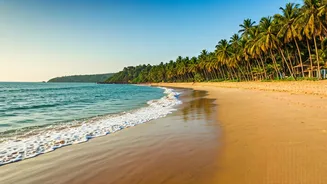
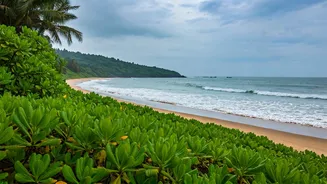
Beyond the aesthetics, an off-season trip comes with significant practical advantages. With fewer tourists, popular spots are refreshingly uncrowded, allowing for more intimate and peaceful experiences. [10, 11] Imagine having a vast stretch of a usually busy beach almost to yourself for a quiet walk. [9] This drop in demand translates into major savings, with hotels and resorts often offering discounts of up to 50-60%. [6] Flights are cheaper, and renting a scooter or car becomes more affordable, making it an ideal time for budget-conscious travellers to enjoy a leisurely holiday without breaking the bank. [9, 15]
What to Actually Do When It Rains
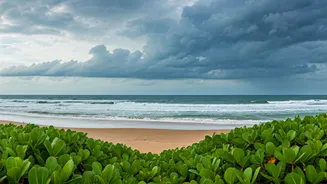
A common concern is that rain will ruin the fun, but monsoon Goa offers a unique set of activities. While the rough seas make swimming unsafe and many temporary beach shacks close down, a different itinerary emerges. [15, 18] It’s the perfect time for heritage walks through the rain-washed Latin Quarter of Fontainhas in Panjim or exploring the historic churches of Old Goa. [5] Adventure seekers can try white water rafting on the Mhadei River, an activity only available during the monsoon. [5] For quieter days, you can hop between cosy cafes, many of which remain open and offer stunning views of the stormy sea, or visit museums and forts like Cabo de Rama. [3, 7]
Embracing the Slower, Local Vibe
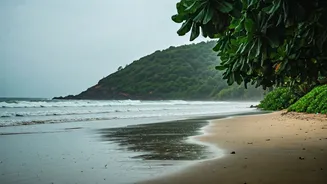
Perhaps the most rewarding aspect of a monsoon visit is the shift in atmosphere. The focus moves away from tourist-centric parties and towards a more authentic, local experience. [11] It’s a time for enjoying Goan comfort food in a village tavern, kayaking in the serene backwaters, or simply watching the dramatic storms roll in from a sheltered balcony. [2] While many of the famous temporary beach shacks are dismantled to weather the storm, more permanent seaside restaurants and bars remain open, offering a cosy refuge to enjoy the sound of the crashing waves. [24, 25] It’s a chance to connect with the land and its people on a deeper level, far from the commercialised frenzy of peak season.