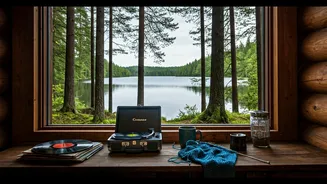









From FOMO to Intentional Rest
For years, travel was driven by a Fear Of Missing Out (FOMO), where the goal was to see and do everything, all while curating a perfect social media feed. Gen Z is flipping the script. The new travel mantra is less about a packed itinerary and more about a deliberate
pause. This 'reset' is a direct response to widespread burnout. Faced with constant digital noise and work stress, younger travellers are seeking holidays that are genuinely restorative. A recent survey shows a significant majority of young travellers, 69% by their early 30s, say it's important not to feel exhausted after a trip. This marks a departure from the 'vacation from the vacation' trope, prioritising mental health breaks and stress relief over simply collecting passport stamps.
The Rise of 'Slow Travel' and Digital Detoxes
What does a reset holiday actually look like? It often involves 'slow travel'—staying in one place for longer to immerse oneself in the local culture rather than city-hopping. This approach rejects conventional tourism that favours volume over depth, allowing for more flexibility and genuine connection. It’s also increasingly tech-free. With nearly half of American teens reporting they are online 'almost constantly,' the desire to disconnect is strong. In fact, a staggering 92% of young adults have either chosen or would consider a destination specifically for a digital detox. These trips aren't necessarily about complete isolation but about replacing screen time with mindful activities, from journaling to simply being present.
Authenticity on a Budget
This shift isn't about expensive, luxurious wellness retreats. More than anything, it’s about authenticity and value. For Gen Z travellers, value for money is a top priority, followed closely by affordable flights. They are more willing to save on flights and hotels to spend on unique local experiences, food, and activities. The definition of luxury has changed; it's less about a five-star hotel room and more about having a meaningful and memorable experience. This generation is adept at using technology like TikTok and Google Maps not just for inspiration, but to find authentic, off-the-beaten-path destinations that offer a real sense of escape from crowded tourist traps.
Micro-Vacations as a Coping Mechanism
Instead of one big annual holiday, Gen Z is popularising the 'micro-vacation'—short, frequent trips often taken over a long weekend. These quick escapes are becoming a necessary coping mechanism for a generation navigating hustle culture and blurred work-life boundaries. With limited paid time off, multiple short breaks feel more achievable and provide a regular way to reset without the stress of planning a major trip. Recent data shows a significant increase in people taking more than three trips a year, with many of these being short getaways booked spontaneously to combat burnout. These trips aren’t just about leisure; they are strategic resets to maintain mental and emotional well-being.