



Master Your Drainage
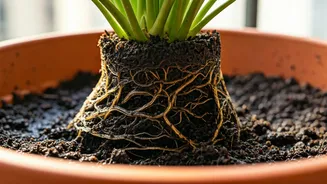
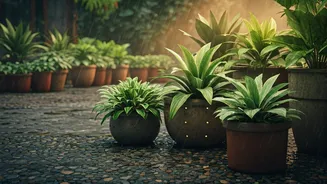
The number one enemy during a monsoon isn't the rain itself, but the water that stays behind. Waterlogged soil suffocates plant roots, leading to root rot, one of the fastest ways to kill a potted plant. Before the first heavy shower, check every single
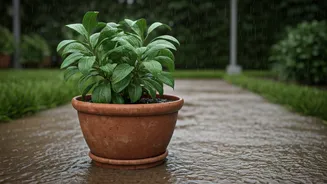
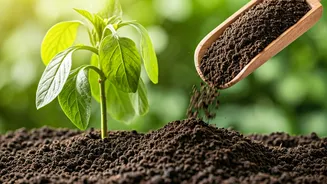
one of your pots. Ensure the drainage holes at the bottom are clear and unobstructed. If your pots are sitting flat on the floor, elevate them. You can use pot feet, bricks, or even bottle caps to create a small gap. This allows excess water to escape freely and promotes air circulation around the base, which is crucial for preventing fungal growth. Consider adding materials like perlite or sand to your potting mix for new plants to improve its draining capacity from the inside out.
Create a Shelter Strategy
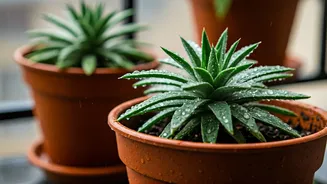
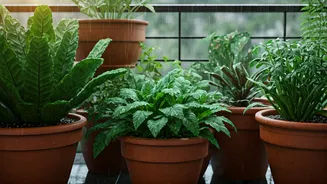
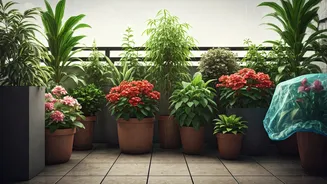
Not all plants enjoy a torrential downpour. Delicate flowers like petunias and begonias can be shredded by heavy rain, while succulents and other drought-loving plants can quickly rot with too much moisture. Identify your most vulnerable plants and plan their monsoon shelter. This could be as simple as moving smaller pots to a covered part of your balcony, close to the wall or under an eave. For larger plants that can't be moved, consider a temporary shield. A clear plastic sheet or a small tarp angled to divert the worst of the rain can be a lifesaver. Just ensure there is enough ventilation to prevent a humid, greenhouse-like environment that encourages disease.
Prune for Resilience
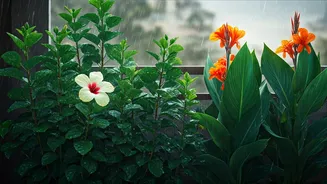
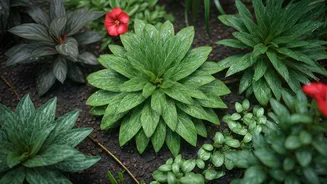
A little trim can go a long way in making your plants more storm-proof. Long, leggy stems are more likely to snap in strong winds and heavy rain. Before the monsoon sets in, prune back overgrown branches on plants like hibiscus, bougainvillaea, and even herbs like basil. This encourages bushier, more compact growth that is sturdier and less prone to damage. It also improves air circulation through the plant's foliage, which is vital for drying out leaves quickly after a shower and reducing the risk of fungal infections. For climbers and creepers, ensure their supports and trellises are secure and can handle the added weight of wet foliage.
Rethink Your Watering Schedule
This might sound obvious, but it's the most common mistake gardeners make during the rainy season. Your regular watering routine is now obsolete. The rain will do most of the work for you, and your job is to avoid adding to it. Never water your plants without first checking the soil. Stick your finger about an inch or two into the soil; if it feels damp, do not water it. Even on days without rain, the high humidity means the soil will dry out much more slowly. Overwatering is a far greater risk than underwatering during the monsoon, so always err on the side of caution.
Watch for Pests and Diseases
The damp, humid conditions of the monsoon are a paradise for pests and fungal diseases. Slugs and snails will be on the move, so check the undersides of leaves and pots for these unwelcome guests. Fungal issues like powdery mildew and black spot can appear almost overnight. The best defence is a good offence. A preventive spray of neem oil solution (a mix of neem oil, a mild liquid soap, and water) every 10-15 days can help deter both pests and fungal spores. If you do spot an infected leaf, remove it immediately to prevent the disease from spreading to the rest of the plant.
Adjust Your Fertilising Routine
Constant, heavy rain can leach essential nutrients from the soil in your pots, washing them out through the drainage holes. However, this doesn't mean you should fertilise more. Most plants slow their growth during the monsoon due to lower light levels, so they require fewer nutrients. Applying too much liquid fertiliser can be wasteful and may even burn the roots. Instead, switch to a slow-release granular fertiliser at the beginning of the season. This will provide a steady, gentle supply of nutrients over several weeks. Alternatively, you can feed your plants with a diluted liquid fertiliser, but at half the usual frequency.