
Ghevar from Rajasthan
This disc-shaped, honeycomb-like marvel is a Rajasthani specialty, traditionally associated with monsoon festivals like Teej and Raksha Bandhan. Made from a batter of flour and ghee that is skillfully drizzled into hot oil to create its signature porous
texture, Ghevar is a work of art. It is then soaked in sugar syrup and often topped with rabri (thickened sweet milk) and a scattering of pistachios. Its crisp exterior gives way to a syrupy, moist inside, making it a luxurious treat that embodies the spirit of festive indulgence. While its exact origins are debated, it has long been considered a delicacy from the royal kitchens of Rajasthan.
Mysore Pak from Karnataka
Hailing from the royal kitchens of the Mysore Palace, this iconic South Indian sweet is a testament to the magic of simple ingredients. Legend has it that it was created by accident in the early 20th century by the palace chef, Kakasura Madappa, for King Krishna Raja Wadiyar IV. The king loved the confection of gram flour (besan), sugar, and generous amounts of ghee so much that he named it after the city itself. Mysore Pak has a dense, fudge-like texture that simply melts in your mouth, leaving behind the rich flavour of ghee and the nutty aroma of roasted besan. It's a celebratory sweet served at weddings and festivals across Southern India.
Puran Poli from Maharashtra
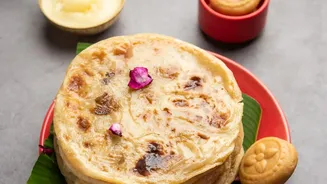
Puran Poli is more than a sweet; it’s a taste of home and a symbol of warmth and hospitality in Maharashtra. This soft, sweet flatbread is a staple during major festivals like Ganesh Chaturthi, Holi, and Diwali. It consists of a tender whole wheat dough filled with a sweet, fragrant mixture called 'puran', which is made from cooked chana dal (split chickpeas) and jaggery, delicately spiced with cardamom and nutmeg. Cooked on a griddle with a generous smear of ghee until golden, Puran Poli is both comforting and celebratory. Its origins are traced back to the Maratha Empire, where it was prepared for special occasions.
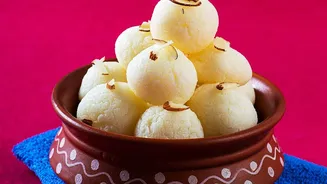
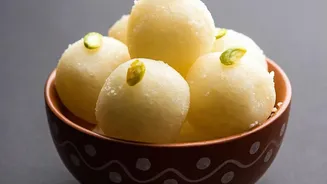
Rosogolla from West Bengal
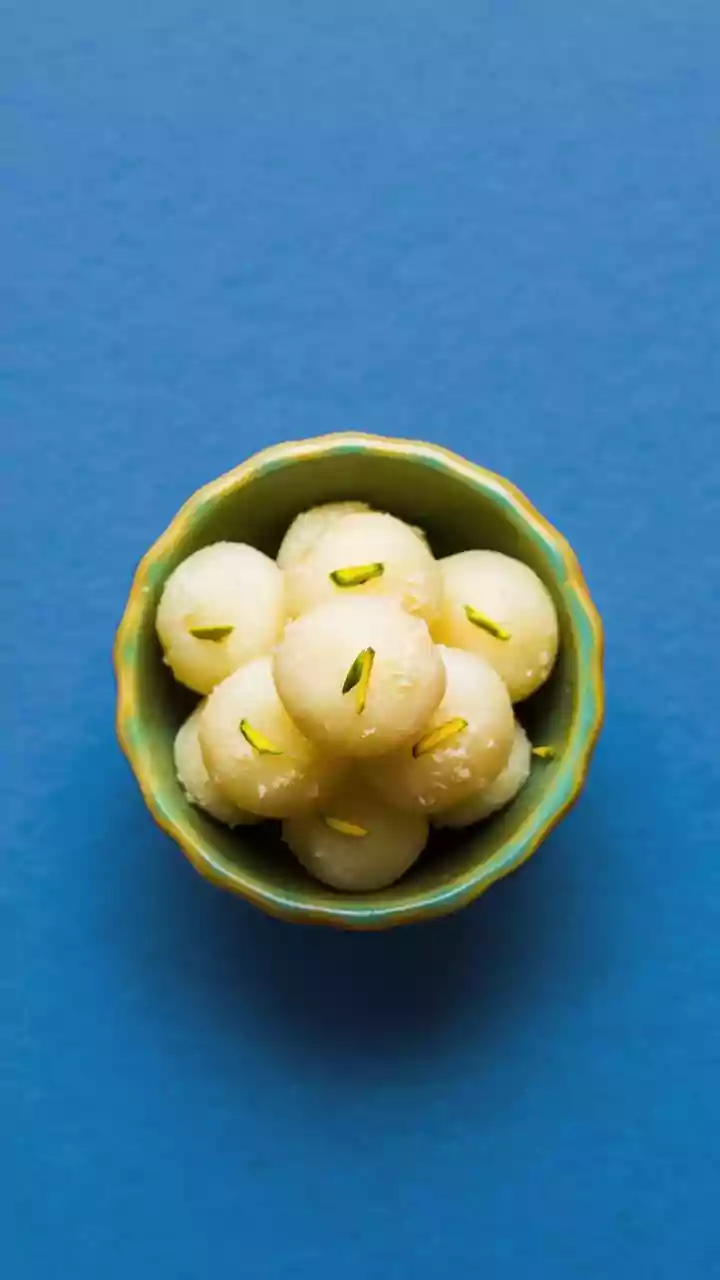
No festive list is complete without the iconic Rosogolla, a sweet that holds deep cultural value in Bengal. These soft, spongy balls are made from chhena (Indian cottage cheese) and cooked in a light, sweet sugar syrup until they are plump and juicy. The dessert is a symbol of joy and is central to celebrations, from religious ceremonies to weddings. While Odisha and West Bengal have debated its origins, the modern, spongy version is widely credited to Kolkata confectioner Nobin Chandra Das, who perfected it in 1868. In 2017, 'Banglar Rosogolla' was granted a GI tag, recognizing its unique character. Served chilled, it's a light yet incredibly satisfying dessert.
Kaju Katli from North India
Arguably one of the most popular and gifted sweets during Indian festivals, Kaju Katli is a modern classic. This smooth, diamond-shaped fudge is made primarily from cashew nut paste and sugar. While it appears simple, achieving the perfect soft, melt-in-the-mouth texture is a skill. The name 'katli' itself means 'thin slices'. Often decorated with edible silver leaf (varak), it has a mild, nutty sweetness that is universally loved, making it a go-to sweet for Raksha Bandhan, Diwali, and other special occasions. Its elegance and delicious flavour make it a perfect symbol of affection.
Kheer or Payasam Across India
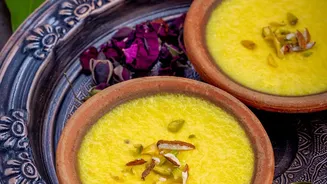
Known as Kheer in the North and Payasam in the South, this creamy rice pudding is a unifying dessert, enjoyed across the country in various forms. It’s a comforting and cherished dish, slow-cooked with milk, rice (or vermicelli or tapioca), and sugar, and delicately flavoured with cardamom, saffron, and nuts. Kheer is a tribute to timeless traditions, often connecting generations at the festival table. Whether served warm or chilled, this simple yet profoundly delicious pudding evokes a sense of home and is an indispensable part of almost every Indian festival, including Raksha Bandhan.