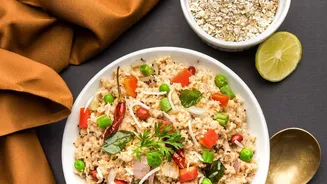


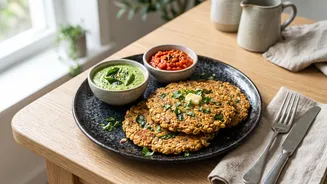

Adai, a classic South Indian pancake, gets a wholesome makeover. By introducing nutritious oats and an assortment of vegetables, this traditional dish is transformed into a modern, fibre-packed meal perfect for a healthy breakfast or a light dinner.
The Beloved Adai: A Quick Look
Adai
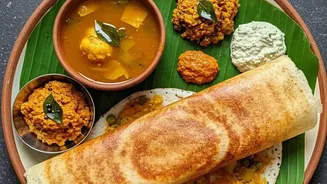
is a savoury pancake from South Indian cuisine, particularly popular in Tamil Nadu. Unlike its cousin, the dosa, which is typically made from fermented rice and urad dal, adai is prepared with a mix of various lentils (dals) and rice, which are soaked and ground into a coarse batter. This protein-rich batter doesn't require fermentation, making it a relatively quick and convenient option for a filling meal. Traditionally, it is flavoured with red chillies, asafoetida, and sometimes onions or curry leaves, resulting in a uniquely thick, crispy, and flavourful dish.
Why Add Oats? The Healthy Upgrade
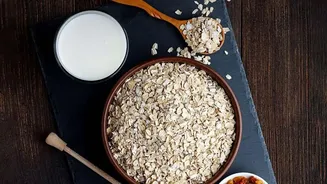
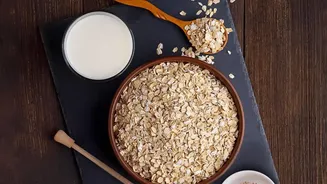
Incorporating oats into the adai batter is a simple way to boost its nutritional profile without compromising on taste. Oats are an excellent source of soluble fibre, particularly beta-glucan, which is known for helping to manage cholesterol levels and promoting heart health. They also provide a sustained release of energy, keeping you feeling full for longer, which can aid in weight management. For many who find plain oat porridge unappealing, adding oats to traditional recipes like adai is a delicious way to reap their benefits. The oats lend a softer texture to the adai, making it less dense than the traditional version while adding a subtle, pleasant aroma.
Creating the Oats Adai Batter
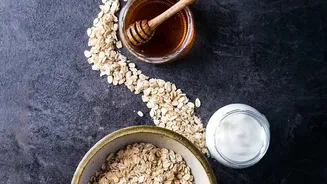
Making oats adai is straightforward. The key is to partially replace the rice in a traditional adai recipe with oats. A common method involves soaking a mixture of dals—like toor dal, chana dal, moong dal, and urad dal—for a few hours. While the dals soak, you can dry roast quick-cooking oats until they are fragrant and then grind them into a powder. Alternatively, if using rolled oats, you can soak them for about 30 minutes before grinding. The soaked dals are then ground into a coarse paste, often with flavourings like dried red chillies, ginger, and cumin seeds. Finally, combine the ground dal paste with the oat powder, add salt and enough water to achieve a thick, spreadable batter. Unlike dosa batter, this mix is ready to use immediately.
Bringing in the Vegetables
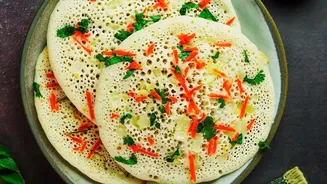
Adding vegetables not only enhances the nutritional value but also adds colour, texture, and flavour to your adai. Finely chopped or grated vegetables are the easiest to incorporate. Popular choices include onions, carrots, spinach, cabbage, and fresh coriander leaves. These can be mixed directly into the batter just before you start cooking. For a more robust flavour, you can lightly sauté the vegetables with spices before adding them to the batter. Another interesting method is to sprinkle the chopped vegetables directly onto the hot griddle and then pour the adai batter over them, pressing gently so they embed into the pancake as it cooks. This technique works especially well with thinly sliced onions, carrots, or even potatoes.
Cooking and Serving Your Adai
To cook the adai, heat a flat tawa or nonstick pan over medium heat. Grease it lightly with oil. Pour a ladleful of the vegetableladen batter onto the pan and spread it into a circle, keeping it slightly thicker than a regular dosa. A traditional technique involves making a small hole in the centre of the adai, which helps it cook evenly. Drizzle a little oil around the edges and in the centre. Cook on mediumlow flame until the bottom is golden brown and crisp, which may take a few minutes. Flip the adai and cook the other side until it's done. Serve the hot oats and vegetable adai immediately. It pairs wonderfully with traditional accompaniments like avial (a mixed vegetable stew), coconut chutney, or a simple piece of jaggery.