





The Invisible Epidemic of Hidden Hunger
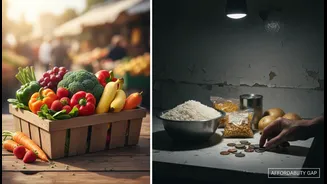
Hidden hunger, or micronutrient deficiency, affects over two billion people globally, with India bearing a significant burden. Unlike the visible signs of starvation, hidden hunger is insidious. A person can consume enough calories from staple foods like rice
and wheat and still suffer from a lack of crucial vitamins and minerals such as iron, vitamin A, and zinc. The consequences are severe, leading to weakened immune systems, impaired cognitive development in children, and increased risks during pregnancy. In India, high rates of anaemia among women and children are a direct symptom of this widespread issue. It's a form of malnutrition that doesn’t announce itself but quietly undermines the health and productivity of a large portion of the population.
When Availability Isn't Enough
For decades, food security was measured primarily in terms of yield and calorie availability. The Green Revolution, while successful in boosting the production of staple crops like wheat and rice, inadvertently contributed to a dietary simplification. A food system heavily reliant on a few high-calorie grains can create an illusion of security. While these crops provide energy, they often lack the diverse spectrum of micronutrients essential for human health. This is the crux of the problem: local food availability, when defined purely by the presence of these staples, fails to address hidden hunger. A diet dominated by cereals can fill plates and stomachs but leave bodies deficient in critical nutrients, proving that quantity alone does not equal quality nourishment.
The Power of a Diverse Plate
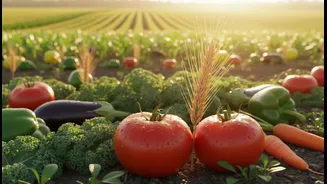
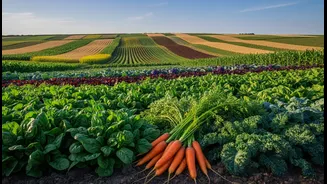
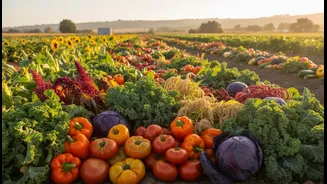
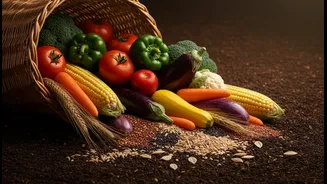
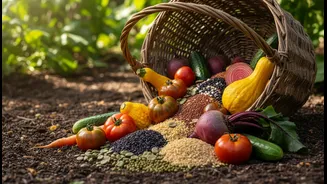
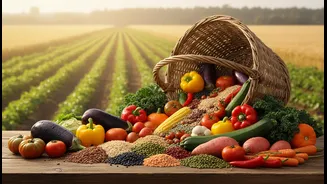
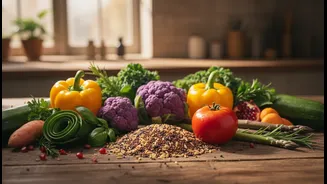
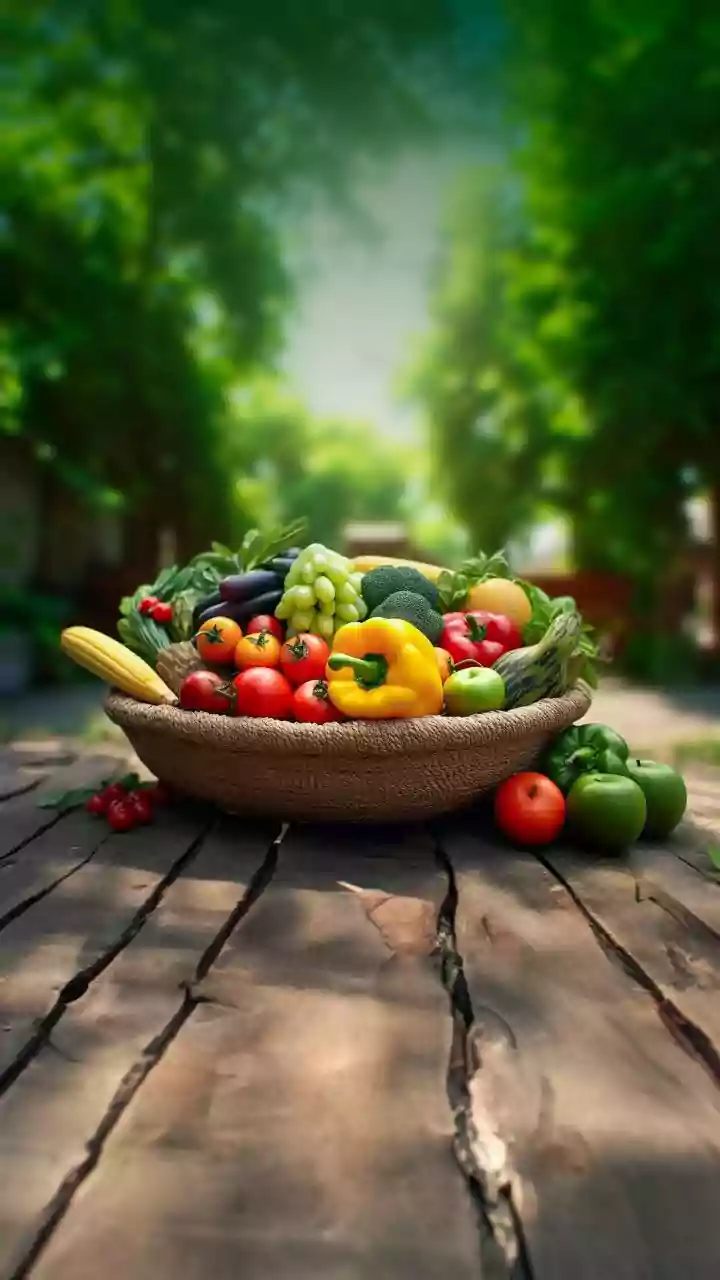
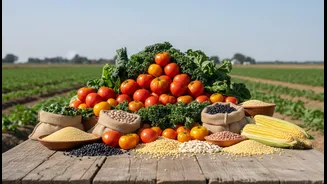
The most effective and sustainable solution to hidden hunger lies in agricultural biodiversity. Fostering crop diversity means moving beyond monocultures and re-embracing a wider variety of foods. This includes traditional grains, pulses, local fruits, and leafy green vegetables that are often packed with the micronutrients missing from staple-heavy diets. By encouraging farmers to cultivate a broader range of crops, we not only enrich the soil but also the nutritional value of the food available to communities. Dietary diversification is a cornerstone strategy, promoting the consumption of a colourful plate that naturally provides the iron, zinc, vitamin A, and other nutrients needed to build a healthy population.
Reviving Traditional Wisdom with Millets
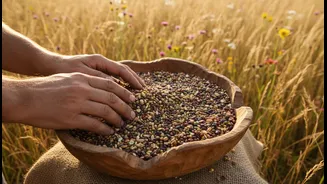
India's own agricultural history holds a powerful key to this solution: millets. Grains like ragi (finger millet), jowar (sorghum), and bajra (pearl millet) were once dietary staples across the country. These 'nutri-cereals' are nutritional powerhouses, rich in iron, calcium, protein, and fibre. Ragi, for example, is an excellent source of calcium for bone health, while bajra is packed with iron to combat anaemia. Millets are also climate-resilient, requiring less water and thriving in conditions where other crops might fail, making them a smart choice for sustainable agriculture. The recent push to reintroduce millets into the public consciousness and distribution systems is a crucial step towards leveraging this traditional wisdom to fight modern malnutrition.
From Policy to Plate
Changing the role of local food availability requires a concerted effort from policy makers, farmers, and consumers. It involves creating policies that support farmers who choose to grow diverse, traditional crops instead of just high-yield staples. This can include integrating a wider variety of foods like millets and pulses into public food programs, such as midday meal schemes and the Public Distribution System (PDS). Furthermore, strengthening local food systems ensures that these nutritious foods are accessible and affordable for the communities that need them most. It's about building a food environment where the healthy choice is the easy choice, creating a direct link from diverse farms to nourished families.