




Corn (Bhutta)
The sight of a roadside vendor roasting corn over hot coals is a classic monsoon image in India. Bhutta is more than just a nostalgic snack; it's nutritionally smart for the season. Rich in fibre, it supports gut health when digestion can be sluggish.
Corn is also a good source of B vitamins and antioxidants, which help protect your cells from damage. Enjoy it roasted with a squeeze of lime and a pinch of salt, or use the kernels to make a warm and spicy masala corn chaat.
Jamun (Indian Blackberry)
This deep purple fruit is a true monsoon specialty, staining tongues and evoking childhood memories. Jamuns are prized for their distinct sweet and tart flavour and are available for a short window during the rainy season. They are excellent for boosting immunity and aiding digestion, which can be sensitive during this time. Rich in iron and Vitamin C, they help combat the fatigue often associated with the gloomy weather and fight seasonal infections. Enjoy them fresh, or blend them into smoothies and popsicles.
Gourds (Lauki, Parwal, Turai)
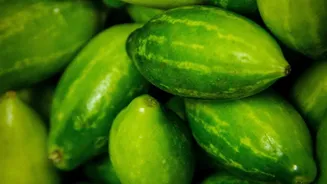
The gourd family thrives during the Indian monsoon, offering a variety of textures and flavours. Bottle gourd (lauki) is considered one of the healthiest vegetables of the season, packed with easily digestible fibre, iron, and vitamins B and C. Pointed gourd (parwal) is another powerhouse, rich in antioxidants and known for its therapeutic benefits in fighting seasonal infections. Ridge gourd (turai) has a spongy texture and cooling properties. These vegetables are incredibly versatile, perfect for light curries, stir-fries, and comforting soups that warm you up without feeling heavy.
Plums (Aloo Bukhara)
The arrival of juicy, tart plums is a highlight of the monsoon. These colourful fruits are packed with Vitamin C, which is essential for building a strong immune system to ward off common monsoon ailments. Plums are also a great source of dietary fibre, which helps in maintaining good digestive health and relieving constipation. Their sweet and sour flavour profile makes them a refreshing snack on their own, but they also shine in chutneys and desserts.
Bitter Gourd (Karela)
While its bitterness might be an acquired taste, karela is highly recommended by doctors for rainy season wellness. Its strong flavour is an indicator of its powerful antiviral and antibacterial properties. During a season when the risk of infections from contaminated food and water is high, incorporating bitter gourd into your diet can help cleanse your system. It's packed with Vitamin C and other antioxidants that strengthen immunity. A simple stir-fry with spices can balance its bitterness, delivering immense health benefits.
Pears (Nashpati)
Crisp and juicy, pears are another fruit that graces the markets during the monsoon. They are a good source of immunity-boosting vitamins and fibre. The high fibre content aids in digestion and helps maintain a healthy gut, which is crucial for overall wellness during the rainy season. Pears are not just healthy but also versatile. You can enjoy them fresh as a snack, add them to salads for a crunchy texture, or even gently poach them with spices for a warm, comforting dessert.
Leafy Greens (Poi Saag, Takla)
While it's often advised to be cautious with leafy greens during monsoon due to mud and germs, choosing the right seasonal varieties and washing them thoroughly can be very beneficial. Indigenous greens like Poi Saag (Malabar spinach) and Takla (Cassia Tora) are monsoon specialties. Poi Saag is a great source of calcium and helps boost immunity. Takla, found in regions like Maharashtra, is rich in fibre, beta-carotene, and iron. These local greens are adapted to the season and provide micronutrients essential for staying healthy.