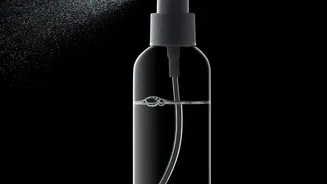




What Exactly Is a Saline Spray?
At its core, a saline nasal spray is a simple, over-the-counter solution of salt (sodium chloride) and sterile water. It's designed to mimic your body's natural fluids, making it a gentle way to address nasal congestion, dryness, and irritation from colds,
flu, or allergies. Unlike medicated decongestant sprays, which contain active drugs to shrink blood vessels, saline sprays are drug-free. This means they are safe for frequent, daily use by most people, including children and during pregnancy, without the risk of dependency or rebound congestion.
The Science of Relief: How It Works
The magic of saline spray lies in its simple physical properties. When you introduce the saltwater mist into your nasal passages, it works in several ways. First, it adds moisture, which helps to thin and loosen thick, stubborn mucus, making it easier to blow out or drain naturally. Second, it helps to flush out irritants like dust, pollen, and other allergens that can cause inflammation and congestion. By cleaning and hydrating the nasal passages, a saline spray can soothe irritation, reduce swelling, and help you breathe more comfortably.
Isotonic vs. Hypertonic: Which to Choose?
You might see two main types of saline sprays: isotonic and hypertonic. An isotonic solution has a salt concentration (around 0.9%) similar to that of your body's cells. This makes it very gentle and ideal for daily hygiene, moisturizing dry passages, and relieving mild congestion from colds or allergies. A hypertonic solution has a higher salt concentration. Through a process called osmosis, this saltier solution draws excess water out of swollen nasal tissues, helping to reduce inflammation more powerfully. It's often recommended for more severe congestion but can sometimes cause a temporary stinging or burning sensation. If you experience discomfort with a hypertonic spray, an isotonic version is a better choice.
Correct Usage for Maximum Effect
Using a saline spray correctly ensures you get the most benefit. First, gently blow your nose to clear as much mucus as possible. Keeping your head upright, insert the nozzle tip into one nostril. It can help to aim the applicator toward the back and outer side of your nose, rather than straight up. Squeeze the bottle or press the actuator while breathing in gently through that nostril, then repeat on the other side. Try to avoid blowing your nose for a few minutes afterward to let the solution do its work.
Store-Bought vs. Homemade Saline
While countless ready-to-use saline sprays are available, you can also make your own solution at home. A typical recipe involves mixing non-iodized salt (table salt can be irritating) with baking soda in clean water. However, safety is paramount. You must use only distilled, sterile, or previously boiled water (for at least 20 minutes) to avoid introducing dangerous bacteria into your nasal passages. Never use water straight from the tap for nasal rinsing. For most people, commercially prepared sprays offer a convenient and guaranteed sterile option, eliminating any risk of contamination.