


The Promise of a High-Tech Harvest
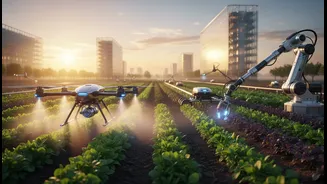
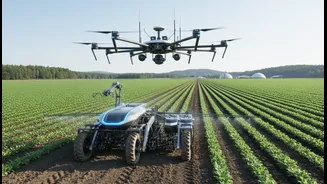
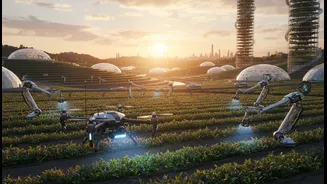
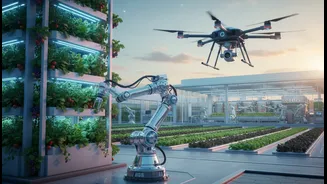
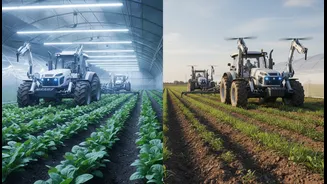
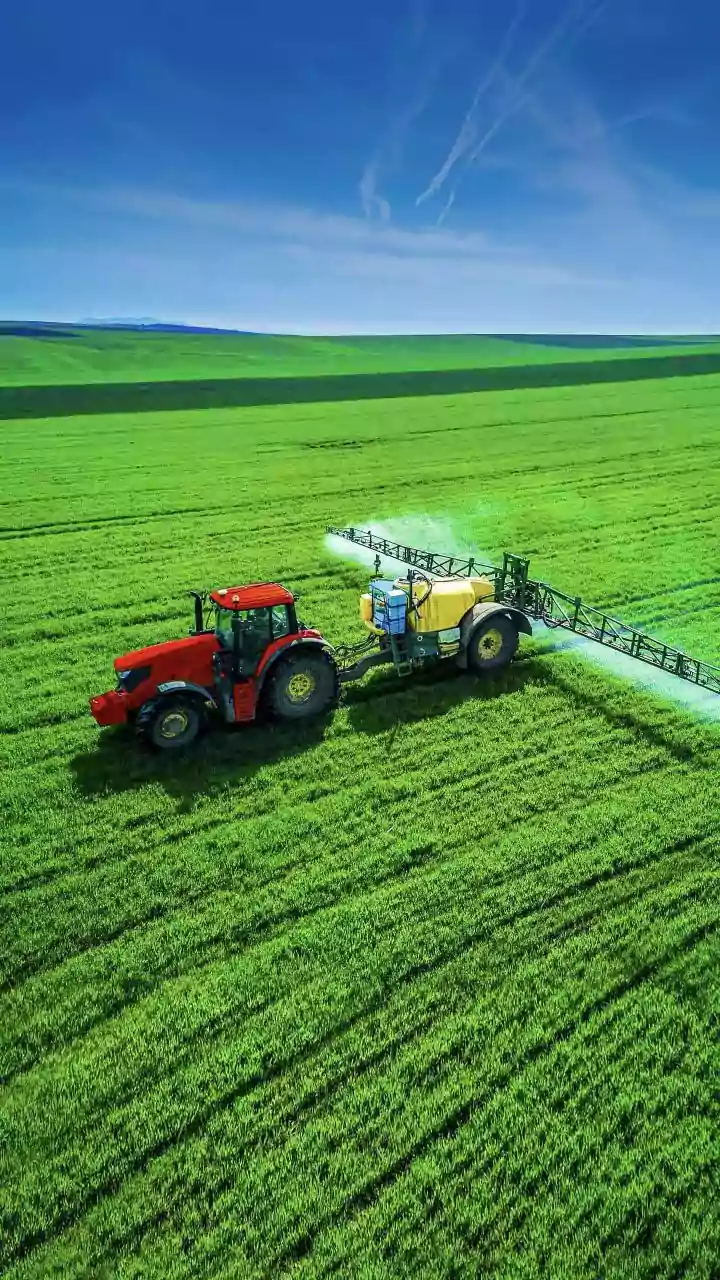
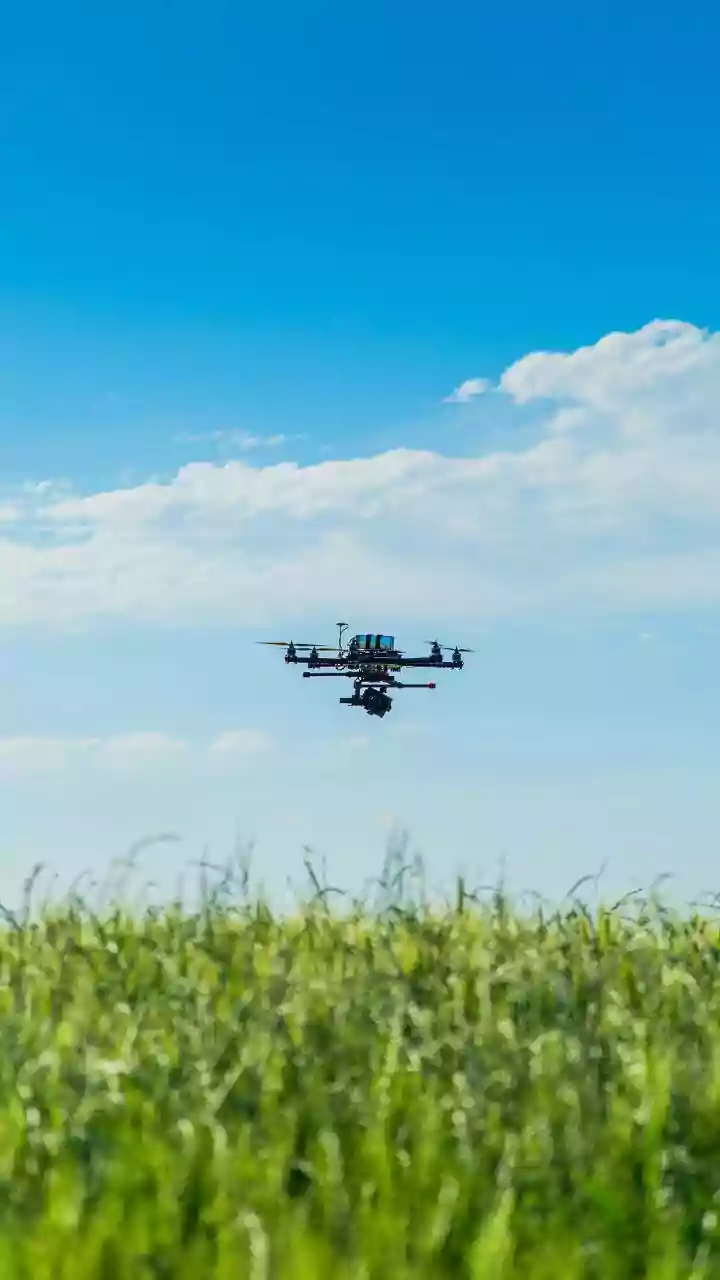
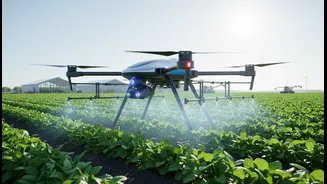
The 24th edition of Agri Intex, held at the CODISSIA Trade Fair Complex, is a dazzling showcase of agricultural innovation. With 496 companies participating, the halls are filled with cutting-edge machinery, from automated drone sprayers to direct paddy-transplanting
machines. Exhibitors from across India and countries like Japan and the US are presenting solutions aimed at solving some of agriculture's biggest challenges, including labour shortages and climate change. The event highlights a clear trend towards mechanization and precision farming, promising a future where technology boosts productivity and cuts costs for farmers. For the many attendees, it’s a glimpse into a more efficient and sustainable way of farming.
The Reality for Local Farmers
However, the reality for many farmers in the region is far more complex than what a trade show floor can capture. The Coimbatore belt is a major hub for crops like coconut, but automating their harvest is notoriously difficult. Unlike uniform grain fields, coconut groves feature trees of varying heights and diameters, often on uneven terrain, making standardized robotic solutions impractical. A review of automated coconut harvesters notes that no existing machine has achieved 100% accuracy, and significant manual intervention is still required. Furthermore, agriculture in Tamil Nadu is dominated by small and marginal farmers, with over 90% of landholdings under two hectares. For these farmers, the high cost of large-scale automation is a significant barrier to entry.
Why One-Size-Fits-None in Agri-Tech
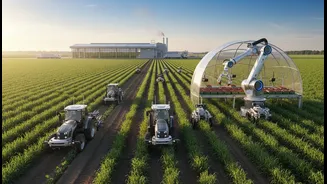
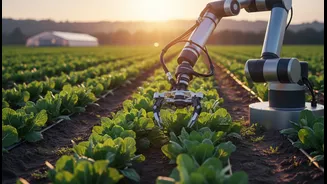
The core issue highlighted at Agri Intex is that agricultural automation is not a plug-and-play solution. Technologies developed for the vast, uniform fields of North America or Europe often fail when applied to the diverse conditions of Indian agriculture. The challenges are multifaceted. Mechanization needs vary drastically between large and small farms. For instance, a smallholder with mixed crops has different needs than a large plantation. Inter-cropping, a common practice in India to maximize land use and biodiversity, further complicates the use of machinery designed for monocultures. Companies are now recognizing this gap, with some developing compact, electric farm robots specifically for narrow rows in crops like cotton and vegetables, which are common in India.
A Call for Ground-Up Innovation
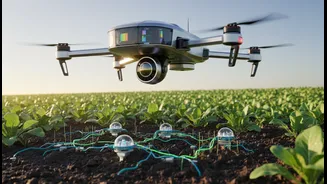
Instead of being a setback, this limitation is fostering a new wave of localized innovation. The conversation at Agri Intex and in the broader industry is shifting from importing foreign technology to developing solutions built for India, or 'Made in India for Bharat'. Startups are creating AI-powered platforms that provide crop advisories in regional languages and affordable, solar-powered irrigation automation designed for existing farm setups. There's a growing understanding that success lies in adaptability—creating rugged, cost-effective machines and software that work for specific local crops and conditions. This includes everything from developing better coconut-harvesting robots to offering 'Farming as a Service' models, where farmers can lease robotic equipment instead of buying it outright.
The Path Forward: Smart and Specific
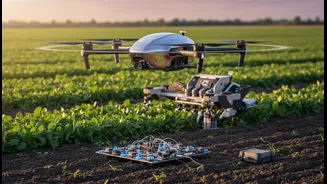
The key takeaway from Agri Intex 2026 is one of maturation. The initial hype around automation is giving way to a more pragmatic and effective approach. Experts at the event have stressed the need for precision farming and mechanization as a solution to labour shortages and climate change, but with a strong emphasis on suitability. For agri-tech companies, the opportunity is immense but requires a deep understanding of the end-user. It means designing for small plots, varied crops, and cost-sensitive farmers. The future of farm automation in India won't be about having the most advanced robot, but the smartest and most adaptable one—a tool that truly fits the farm it's meant to serve.