



Start with the Stars at Home
The journey into space science can begin in your own backyard or balcony. Simple stargazing is the most accessible entry point. Mobile apps can help identify constellations, planets, and even the International Space Station as it passes overhead. For
a more hands-on approach, families can work together to build a simple Galilean telescope or a pinhole projector to safely observe the sun. These activities teach basic principles of optics and celestial mechanics without a significant financial investment, turning a simple night of observation into a practical science lesson.
Join a Community of Explorers
Connecting with fellow enthusiasts can transform a solitary hobby into a collaborative adventure. India has numerous amateur astronomy clubs, such as the Bengaluru Astronomy Club and the Amateur Astronomers Association of Vadodara, which welcome new members, including students. These clubs often organize star parties, viewing nights, and workshops on topics like astrophotography or telescope making. Visiting a local planetarium or science centre, like the National Science Centre in Delhi, offers another layer of engagement, with interactive exhibits and shows that make complex concepts accessible and exciting. These community spaces provide invaluable opportunities to learn from experienced astronomers and share in the excitement of discovery.
Become a Digital Citizen Scientist
The internet offers a universe of opportunities for students to contribute to real scientific research from their computers. Platforms like Zooniverse host dozens of projects where volunteers can help professional astronomers. In projects like 'Galaxy Zoo', students can classify galaxies, while 'Planet Hunters TESS' allows them to search for exoplanets by analysing data from NASA's TESS mission. These citizen science initiatives require no special equipment, just curiosity and a willingness to learn. By participating, students are not just learning about space; they are actively taking part in the scientific process and contributing to our collective understanding of the cosmos.
Engage with ISRO's Student Programs
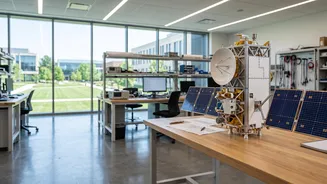
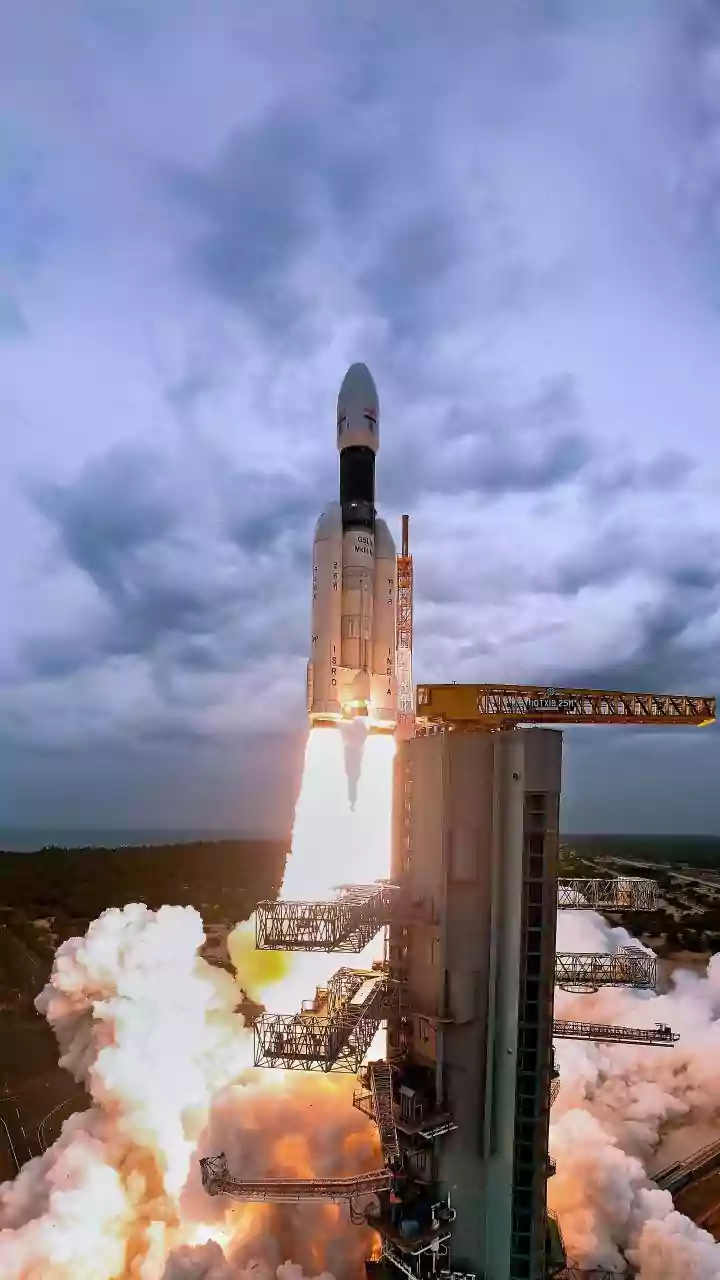
The Indian Space Research Organisation (ISRO) offers specific programs to nurture the next generation of scientists and engineers. The most prominent is the "Young Scientist Programme," or YUVIKA (YUva VIgyani KAryakram). This two-week residential program invites high school students to visit ISRO centres, interact with senior scientists, and participate in hands-on activities like model rocketry and satellite assembly kits. ISRO's goal is to "catch them young" and encourage more students to pursue careers in Science, Technology, Engineering, and Mathematics (STEM). The selection process is competitive, but it represents a unique opportunity for direct exposure to India's cutting-edge space program.
Build, Compete, and Launch
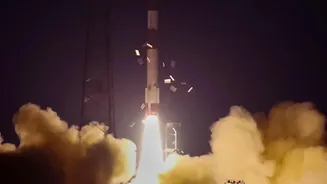
For older or more ambitious students, national competitions provide a platform to test their skills. The IN-SPACe Model Rocketry Competition, organized by the Department of Space, challenges undergraduate teams to design, build, and launch a model rocket to a specific altitude. Similarly, events like the Indian Space Olympiad test students' knowledge of astronomy and space science. Other organisations also host competitions like IGNITE INDIA, which includes challenges in rocketry and drone technology for students aged 14 to 25. These competitions demand a deep, practical understanding of aerodynamics, propulsion, and electronics, pushing students to move from theory to application in a thrilling, competitive environment.