





The Outdoor Cardio Circuit
The most obvious use for a park is cardiovascular exercise, but you can go far beyond a simple jog. Most parks feature pathways perfect for running, but look at the landscape with a creative eye. A gently sloping hill is ideal for resistance-building
sprints, while a loop around the perimeter can be used for interval training—sprinting for one lap and jogging or walking the next. Benches can become platforms for step-ups or box jumps to get your heart rate soaring. The varied terrain and fresh air not only challenge your body in new ways but also make cardio feel less monotonous than staring at a treadmill screen. People who exercise outdoors in green spaces are more likely to be active for longer periods and at higher intensities.
Your Body is the Only Weight You Need
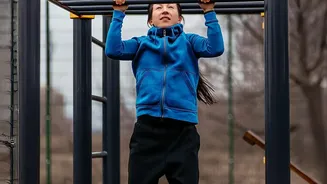
Parks are natural gyms for calisthenics, a form of strength training that uses your own bodyweight. A park bench is one of the most versatile pieces of equipment you'll find. Use it for incline or decline push-ups, tricep dips, and Bulgarian split squats. If your local park has a playground or dedicated fitness zone, you’ve hit the jackpot. Monkey bars are perfect for pull-ups, chin-ups, and hanging leg raises to build upper body and core strength. Low bars can be used for inverted rows, a fantastic back exercise. Even without equipment, the ground is all you need for a challenging circuit of squats, lunges, planks, and burpees. These exercises build functional strength that translates directly to everyday life.
Flexibility, Balance, and Mindfulness
A park isn't just for high-intensity workouts; it's also an ideal setting for practices that calm the mind and improve flexibility. A quiet, grassy area provides the perfect backdrop for a yoga session or a series of deep stretches after a run. The natural, uneven ground can help improve your balance and engage small stabiliser muscles that a flat studio floor might not. Furthermore, simply being in nature has restorative effects. Studies on 'green exercise' show that working out in natural environments can significantly boost mood and self-esteem while reducing stress. Taking a few minutes post-workout to meditate under a tree can be a powerful way to cap off your fitness routine, connecting both physical and mental wellness.
The 'Green' Bonus: More Than Just a Workout
Exercising in a park offers health benefits that a gym simply cannot match. Exposure to sunlight helps your body produce Vitamin D, which is crucial for bone health and immune function. The mental health advantages are significant. Research consistently shows that physical activity in green settings lowers stress hormones like cortisol, reduces feelings of anxiety, and improves overall mood more effectively than indoor exercise. One study found that walking in a quiet, green urban area provides a greater mood boost than walking in a built up environment with traffic and noise. This combination of physical activity and nature exposure delivers a powerful two for one benefit for your well being.
How to Get Started
Making the switch to outdoor workouts is simple. Start by scouting your local parks to see what amenities they offer. Look for well maintained paths, benches, and any dedicated fitness or play areas. Some modern parks even have QR codes on equipment that link to instructional videos. Dress for the weather and wear appropriate footwear. For motivation, consider working out with a friend or joining a local community fitness group that meets in the park. Most importantly, start with what feels comfortable and be consistent. The goal is to build a sustainable habit that you enjoy, and the freedom and fresh air of a park make it a much easier routine to stick with long term.