






A Boost For Your Health
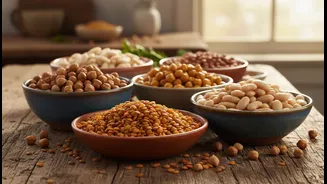
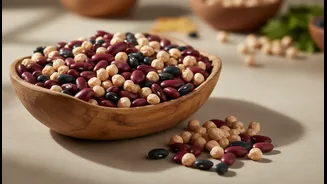
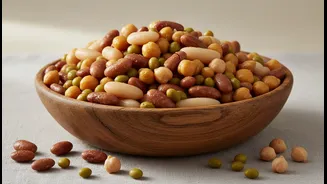
Beans, also known as pulses, are packed with nutrients that support overall well-being. They are an excellent source of plant-based protein, which is essential for muscle growth and tissue repair. For those on vegetarian or vegan diets, beans are a cornerstone
for meeting protein needs. They are also incredibly high in dietary fibre, which aids digestion, promotes gut health, and can help prevent constipation. This combination of protein and fibre helps you feel fuller for longer, which can assist in weight management. Regular consumption of beans has been linked to a reduced risk of chronic diseases, including heart disease, type 2 diabetes, and certain types of cancer. They are low in fat, have no cholesterol, and are loaded with essential micronutrients like iron, potassium, magnesium, and folate.
Kind to Your Wallet
In an era of rising food costs, beans offer a delicious and nutritious way to stretch your budget. Whether you buy them dried or canned, beans are one of the most economical sources of protein available. A single meal centered around beans can feed a family for a fraction of the cost of a meat-based dish, leading to significant savings over time. Their long shelf life, especially in dried form, also helps to reduce food waste, further protecting your finances. In India, staples like rajma, chana, and various dals are prime examples of how affordable ingredients can form the basis of deeply satisfying and nourishing meals that have been enjoyed for generations.
A Win for the Planet
The environmental credentials of beans are truly impressive. As a crop, they have a remarkably low carbon footprint compared to animal protein sources. One study showed that producing a kilogram of protein from kidney beans requires about 18 times less land and 10 times less water than producing the same amount of protein from beef. Beans also play a crucial role in sustainable agriculture through a process called nitrogen fixation. They have a unique ability to pull nitrogen from the atmosphere and convert it into a form that enriches the soil. This natural process reduces the need for synthetic nitrogen fertilizers, which can be costly and harmful to the environment. By including beans in crop rotations, farmers can improve soil health, conserve water, and promote biodiversity.
The Ultimate Kitchen Staple
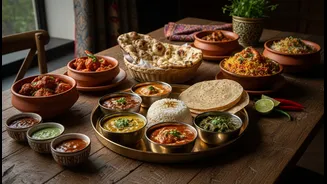
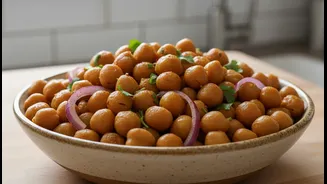
Beyond their health and environmental benefits, beans are incredibly versatile in the kitchen. In India, they are the foundation of countless iconic dishes, from the comforting Rajma Chawal of Punjab to Kerala's Parippu Curry and Bengal's Cholar Dal. Their ability to absorb spices and flavours makes them a perfect ingredient for curries, stir-fries, and soups. But their use extends far beyond traditional recipes. Globally, chefs and home cooks are using beans in innovative ways, from crispy snacks and hearty salads to protein-packed kebabs and even hummus-style spreads. The rise of social media trends like #BeanTok has introduced a new generation to the creative possibilities of cooking with all types of beans, solidifying their status as a trendy, adaptable, and indispensable pantry item.