




The End of the Visa Sticker
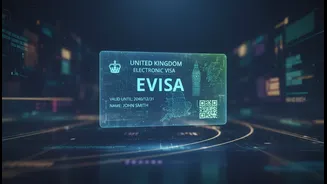
The United Kingdom is modernising its borders, and one of the biggest changes for Indian travellers is the move to a fully digital immigration system. The familiar visa sticker, or 'vignette', placed in your passport is being phased out. Instead, your permission
to travel to the UK will be stored as an electronic record, known as an eVisa. This change, which became mandatory in early 2026, is part of a global trend to make international travel more secure and efficient. According to the UK Home Office, an eVisa cannot be lost, stolen, or tampered with, offering a more secure way to prove your immigration rights.
Your Visa is Now an eVisa
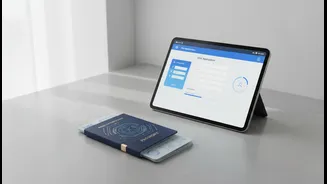
For Indian passport holders, who require a visa for any visit to the UK, this means your granted visa is now digital. After a successful application, you will receive an eVisa, which is a digital confirmation of your right to enter the country. You can view and manage your eVisa through an online UK Visas and Immigration (UKVI) account. It is crucial to set up this account and ensure all your personal details, especially your passport number, are exactly correct and up to date. This digital record is what airlines will check before you even board your flight. Any discrepancy can lead to being denied boarding.
What About the ETA?
You may have heard about a new requirement called the Electronic Travel Authorisation (ETA). It's important for Indian citizens to understand that the ETA system does not apply to them for standard visits. The ETA is a pre-travel clearance for nationals of countries who do not need a visa for short stays in the UK, such as citizens from the US, Canada, and EU countries. Since Indian passport holders must apply for a visa, you will get an eVisa instead of needing an ETA. The key takeaway is to focus on the visa application process, which now results in a digital permission rather than a physical one.
What Happens at the UK Border?
The shift to a digital system aims to create a smoother, more automated experience at the border. When you arrive in the UK, your passport will be scanned. Border Force systems will automatically check for your linked eVisa to verify your permission to enter. This move is designed to reduce manual checks and make entry quicker, paving the way for a future 'contactless' border. While applicants may still need to attend a visa application centre for biometrics like fingerprints, a major benefit of the new system is that you no longer have to leave your passport with them during the processing period.
Your Digital Pre-Travel Checklist
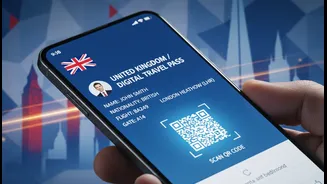
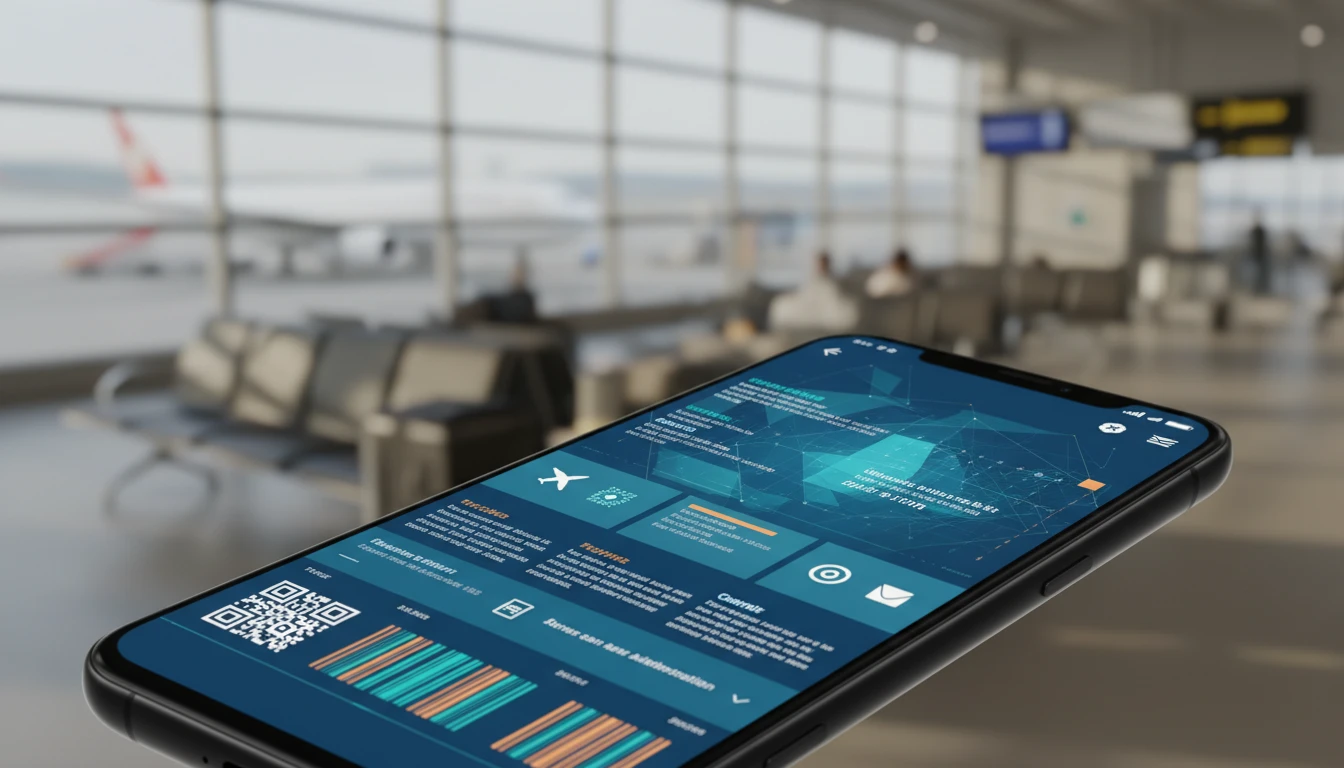
To ensure your trip goes off without a hitch, a little digital preparation is key. First, after your visa is granted, create your UKVI account and verify that your eVisa details are correct. Always travel with the same passport you used for your application, as your eVisa is electronically tied to it. If you get a new passport, you must update your UKVI account before you travel. Alongside your eVisa, keep digital copies of your flight itinerary, hotel bookings, and any other important travel documents readily accessible on your phone or tablet. This digital readiness is the new standard for international travel.
Tips to Avoid Digital Travel Trouble
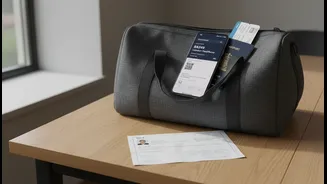
Relying on digital documents comes with its own set of challenges. To avoid a last-minute panic, always carry a fully charged power bank for your electronic devices. Do not depend on spotty airport Wi-Fi; download offline copies or take screenshots of your eVisa confirmation, boarding passes, and hotel reservations. For extra peace of mind, it is wise to carry a single printout of your most critical documents as a backup. While the system is digital, having a physical copy can be a lifesaver in the unlikely event of a technical glitch or a dead battery, ensuring you can prove your right to travel at every checkpoint.