




The Fabric of a City
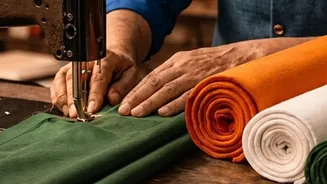
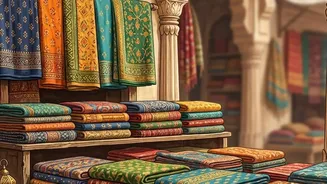
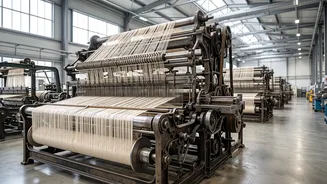
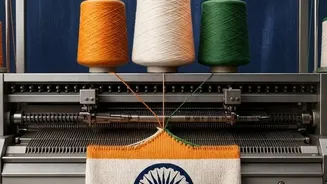
Coimbatore's journey as an industrial powerhouse began long before its modern skyline took shape. The region's black cotton soil, favourable climate, and the introduction of mechanised mills in the late 19th century created the perfect conditions for a textile
boom. The first mill, the Coimbatore Spinning and Weaving Mills (popularly known as Stanes Mill), was established in 1888. This sparked a rapid expansion, especially after the Pykara hydroelectric project in 1932 provided abundant and cheap power, attracting entrepreneurs who set up dozens of mills. The city quickly earned its famous moniker, the 'Manchester of South India', for its sheer volume of spinning and weaving units that dominated the textile landscape.
An Ecosystem of Entrepreneurship
The textile industry did more than just produce yarn and cloth; it cultivated a unique DNA of entrepreneurship and technical problem-solving. As mills proliferated, a secondary industry emerged out of necessity. Small workshops were established in the 1930s to service and repair the imported textile machinery. This practical, hands-on engineering experience laid the groundwork for a much larger industrial shift. The culture of 'fixing things' evolved into a culture of 'making things'. This spirit was bolstered by institutions like the Southern India Mills' Association (SIMA), established in 1933, which has played a crucial role in policy advocacy, skill development, and modernisation for the entire textile value chain.
From Looms to Lathes and Beyond
The ancillary workshops born from the textile sector soon began to diversify. The expertise gained in repairing textile equipment was transferable to manufacturing other products. This led to the birth of Coimbatore's now-famous engineering sector. The city became a hub for foundries and the manufacturing of motors and pumps. Today, Coimbatore is known as the 'Pump City', supplying over 40% of India's motor and pump requirements. The same engineering acumen was applied to create other globally recognised products, including the GI-tagged Coimbatore Wet Grinder. This evolution demonstrates a clear lineage: the needs of the textile industry directly spawned the city's powerful manufacturing and engineering base.
The Modern Diversified Hub
While textiles and manufacturing remain core pillars, Coimbatore's economy has continued to expand into new-age sectors. The city is now a rapidly growing Tier-II hub for Information Technology and IT-enabled services, attracting major companies and fostering a vibrant startup culture. Its strong educational infrastructure, which includes numerous engineering colleges, produces a steady stream of skilled talent, making it an attractive destination for businesses. Sectors like automotive components, jewellery manufacturing, and healthcare have also established a significant presence. This diversification isn't a departure from its roots but an extension of the same entrepreneurial spirit that first found its footing among the cotton fields and spinning mills a century ago.