




What is Food Safety Testing?
Food safety testing is the most fundamental check a product undergoes. Its one and only goal is to answer the question: "Is this food safe to eat?" This process is about protecting consumers from immediate or long-term harm. It involves looking for dangerous
elements that should not be in your food, such as harmful bacteria like Salmonella or E. coli, viruses, chemical contaminants like pesticides, and physical hazards. In India, the Food Safety and Standards Authority of India (FSSAI) is the primary body responsible for setting these standards. When you see the FSSAI logo and license number on a package, it signifies that the manufacturer has met the required safety and hygiene standards to produce and sell that food. It is a baseline guarantee that the product is fit for human consumption and not harmful.
What is Nutrition Testing?
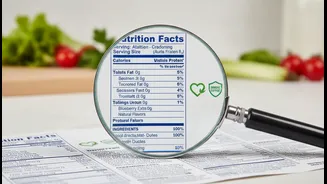
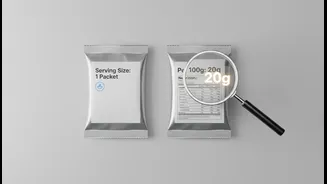
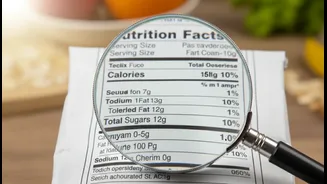
Nutrition testing, on the other hand, answers a completely different question: "What is this food made of?" This type of analysis determines the nutritional profile of a product. It breaks down the content into macronutrients like protein, carbohydrates, and fats, and micronutrients such as vitamins and minerals. This information is presented in the 'Nutritional Information' panel on the back or side of the package. FSSAI regulations mandate that this panel must declare values for energy (calories), protein, total fat, carbohydrates, and sugar per 100g or 100ml. This data is not about safety, but about the quality and composition of the food, allowing you to understand its contribution to your daily diet.
The 'Safe' But Not 'Healthy' Trap
Here is where the confusion begins, and it's a gap that marketers often exploit. A product can be perfectly safe to eat but offer very poor nutritional value. Think of a sugary fizzy drink or a packet of fried potato chips. These items will have an FSSAI license, confirming they are manufactured in a hygienic environment and are free from contaminants. They are 'safe'. However, a quick look at their nutritional label will reveal high levels of sugar, sodium, and unhealthy fats, with little to no fibre or vitamins. The FSSAI logo is a mark of safety, not a health endorsement. Unfortunately, many consumers mistakenly believe that any product with official-looking marks must be a good choice, a misconception that brands with misleading claims often take advantage of.
Decoding Misleading Front-of-Pack Claims
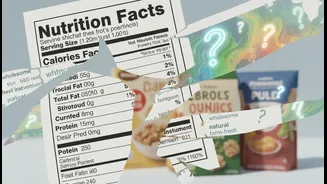
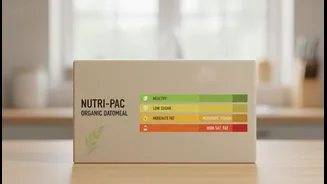
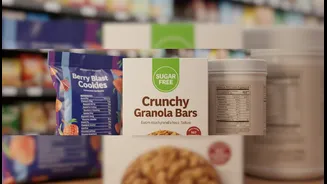
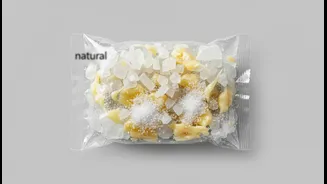
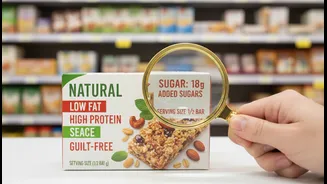
The front of the package is marketing real estate. It's designed to catch your eye with claims like "All Natural," "Fortified with Vitamins," "Zero Cholesterol," or "High in Protein." While sometimes true, these claims can be misleading. A recent FSSAI crackdown highlighted several brands making dubious claims. For example, a vegetable oil might boast it is 'cholesterol-free', which is scientifically true as all plant-based oils are, but it can create a misleading perception of superior heart health compared to other oils. Similarly, a biscuit might claim to have protein, but the amount could be negligible and from a poor-quality source. The only way to verify these claims is to ignore the front and head straight for the back of the pack.
How to Be a Smarter Shopper
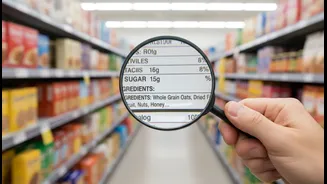
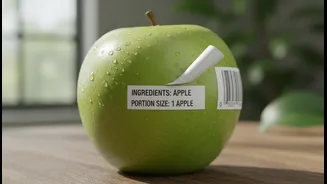
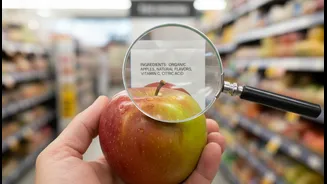
Becoming an informed consumer is your best defence. The FSSAI itself encourages consumers to 'flip the pack'. First, always check the ingredients list. Ingredients are listed in descending order by weight, so the first few items make up the bulk of the product. If sugar or refined flour (maida) is one of the top three ingredients, it's likely not a very healthy choice. Second, analyse the nutritional information panel. Pay attention to the 'per 100g' column for an easy way to compare different products, rather than the 'per serving' size, which can be unrealistically small. Look for lower numbers on sugar, sodium, and saturated fats. Finally, understand that the FSSAI logo guarantees the product won’t make you sick; the nutritional label is what helps you decide if it will make you healthy.