







Before You Book: Research and Vet Visits
The first step to responsible pet travel is thorough preparation. Before booking any tickets, research the specific policies of your chosen mode of transport. For air travel, airlines like Air India have detailed 'Paws on Board' programmes, while others
such as IndiGo only permit certified service dogs. Policies specify rules for in-cabin pets, typically for smaller animals under a certain weight limit, and for larger pets travelling in the cargo hold. For train journeys, Indian Railways requires booking an entire First-Class AC coupe or cabin for your pet to travel with you. Pets are generally not allowed in other classes like 2AC, 3AC, or Sleeper. Once you understand the rules, schedule a visit to your veterinarian. Your pet will need a health certificate declaring them 'fit to travel', usually issued within a few days of the journey. Ensure all vaccinations, especially for rabies, are up to date and that you have the records handy. This is also a good time to discuss motion sickness or travel anxiety with your vet.
Essential Paperwork and Bookings
With your research done, it's time to handle the administrative tasks. For domestic air travel, you'll need the vet-issued health certificate, vaccination records, and a filled indemnity form from the airline. Airlines require you to notify them that you're travelling with a pet at least 48 hours in advance, as there's a limit to how many animals are allowed per flight. For train travel, after booking your First Class AC tickets, you must book your pet separately, which can now often be done online via the IRCTC portal after the chart is prepared. Always keep digital and physical copies of all documents, including your own ID proof. If you're staying at a hotel, call them directly to confirm their pet policy, even if their website says they are pet-friendly. Inquire about size restrictions, fees, and designated pet areas to avoid surprises at check-in.
Packing for Your Pet's Comfort and Safety
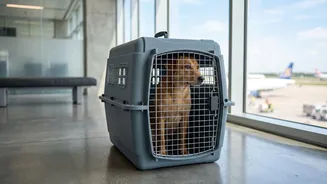
Packing the right gear is crucial. The most important item is an IATA-compliant travel crate. It must be well-ventilated, secure, and large enough for your pet to stand, turn around, and lie down comfortably. To reduce stress, get your pet accustomed to the crate several weeks before your trip. Pack enough of your pet's regular food for the entire trip plus a few extra days to avoid digestive issues from a sudden diet change. Other essentials include a water bowl, leash, collar with an ID tag, waste bags, a familiar blanket or toy to provide a sense of security, and a pet first-aid kit. For car journeys, a pet seatbelt harness or a secured crate is vital for safety.
Navigating Check-In and the Journey
On the day of travel, arrive at the airport or train station early. Airlines recommend arriving at least three hours before departure for pet check-ins. At the check-in counter, you will present all your pet’s documents for verification. The crate will be inspected and tagged. Whether your pet is in the cabin with you or in the cargo hold, ensure the crate is secure and has a moisture-absorbent mat. For train journeys, once your coupe or cabin is allotted, you can settle your pet in. Never leave your pet unattended in a hotel room or a parked car. During the journey, keep your pet hydrated but feed them only a light meal a few hours before starting to prevent nausea. For road trips, plan for breaks every 2-3 hours to allow your pet to stretch, drink water, and relieve themselves.
Arrival and Settling In at Check-Out
Once you arrive at your destination, your first priority is your pet's comfort. After disembarking, find a quiet spot for a toilet break and to offer some water. When checking into your pet-friendly hotel, keep your pet leashed in public areas. A truly welcoming hotel will often acknowledge your pet upon arrival. Once in the room, inspect it for any potential hazards before letting your pet explore. Set up their bed, food bowls, and a familiar toy to help them acclimate. Coordinate with housekeeping to ensure they don't enter the room when your pet is alone inside. Finally, upon check-out, do a thorough check of the room to ensure it's left in good condition and that you haven't forgotten any pet supplies. A quick clean-up shows you're a considerate guest and helps ensure the hotel remains pet-friendly for future visitors.