



This winter, trade city lights for the thrill of the wild. India's national parks come alive in the cooler months, offering crisp air, clear views, and unforgettable wildlife encounters. Here are five top spots for your holiday adventure.
Ranthambore National Park, Rajasthan
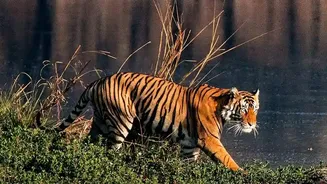
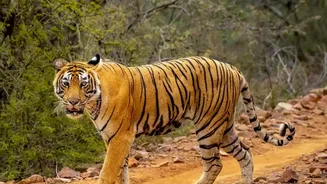
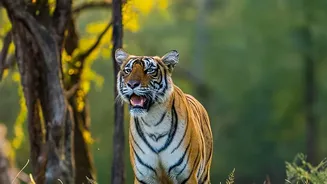
Imagine a Bengal
tiger prowling gracefully against the backdrop of a 10th-century fort. This is the iconic sight that makes Ranthambore a world-renowned wildlife destination. Winter is arguably the best time to visit; the weather is pleasant, and the dry, deciduous forest thins out, improving visibility. Tigers, which can be elusive in the summer heat, are often seen sunning themselves in open grasslands or near the park's famous lakes like Padam Talao and Rajbagh Talao. Beyond tigers, Ranthambore is a sanctuary for a diverse range of fauna. You might spot leopards, sloth bears, sambar deer, and marsh crocodiles. The park is also a haven for birdwatchers, with over 300 species recorded, including migratory birds that flock here during the winter months. The combination of history and wildlife makes a winter safari here truly magical.
Jim Corbett National Park, Uttarakhand
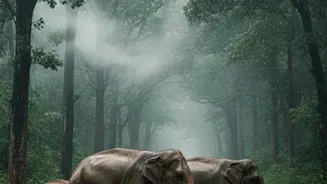
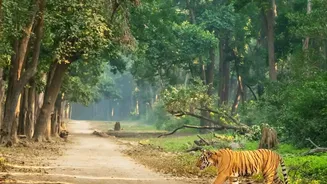
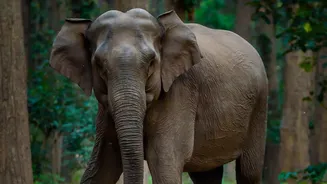
As India’s oldest national park, Jim Corbett offers a classic wilderness experience in the foothills of the Himalayas. The winter months, from November to February, are considered ideal for a visit. The weather is cool and comfortable, and all safari zones, including the famed Dhikala zone, are open to visitors. The landscape transforms, with morning mist creating a mystical atmosphere over the grasslands and the Ramganga riverbed. This season offers an excellent chance for tiger sightings as the vegetation becomes less dense. Besides the majestic tiger, Corbett is home to large herds of elephants, leopards, and various species of deer. For bird enthusiasts, winter is peak migratory season, attracting hundreds of species like bar-headed geese and ruddy shelducks, making it a premier birding destination.
Kaziranga National Park, Assam
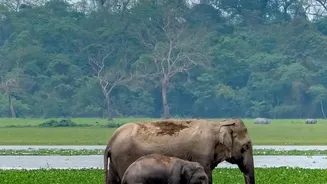
A UNESCO World Heritage Site, Kaziranga is a conservation success story, most famous for hosting the world's largest population of the Indian one-horned rhinoceros. Winter is the perfect season to explore its vast grasslands and wetlands, as the weather is cool and dry after the heavy monsoons. Rhinos are frequently seen grazing in the open, often from a close yet safe distance during a jeep or elephant safari. The park also boasts one of the highest densities of tigers in the world, though their shy nature makes them harder to spot than the rhinos. Beyond the 'Big Five'—rhino, tiger, elephant, wild water buffalo, and swamp deer—Kaziranga is a birdwatcher's paradise. During winter, the park's water bodies attract thousands of migratory birds from as far as Central Asia, adding a vibrant splash of avian life to the landscape.
Kanha National Park, Madhya Pradesh
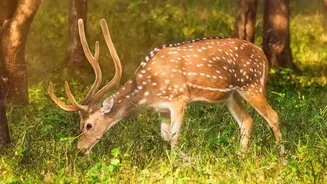
The lush sal and bamboo forests of Kanha, which famously inspired Rudyard Kipling's 'The Jungle Book', are especially enchanting in winter. The pleasant weather from November to February makes for comfortable safari experiences. Cool, misty mornings give way to days filled with golden sunlight, perfect for photography. While Kanha is a prime tiger reserve, it is also celebrated for its successful conservation of the Barasingha, or swamp deer, which can be seen in large herds in the meadows. The reduced foliage in winter increases the chances of spotting not just tigers and barasingha, but also leopards, Indian wild dogs (dholes), and gaur (Indian bison). The park's serene beauty and rich biodiversity offer a deeply immersive jungle experience.
Gir National Park, Gujarat
Gir holds the unique distinction of being the only place on Earth where you can see Asiatic lions in their natural habitat. A trip here is a chance to witness a remarkable conservation story first-hand. The winter season, particularly from December to March, is considered the best time to visit, with pleasant weather making for ideal safari conditions. During these cooler months, lions are more active throughout the day, increasing the likelihood of a sighting. Early morning and late afternoon safaris are prime times to spot these majestic cats. In addition to its lion population of over 600, Gir is also home to leopards, sambar deer, and over 300 species of birds. The rugged, dry scrubland of Gir offers a different landscape from India's other parks, providing a unique and unforgettable wildlife adventure.