




Choose Ingredients Wisely
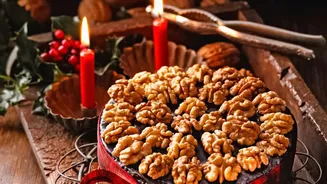
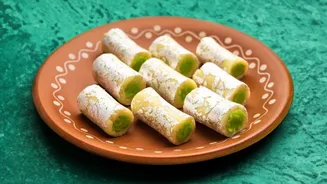
The foundation of a successful food gift is choosing ingredients that have a good shelf life. Dry mithai made with nuts, ghee, and sugar, like kaju katli, laddoos, and many types of barfi, are excellent choices as they have a lower moisture content. These
can typically last for about a week when stored correctly at room temperature. Similarly, baked goods like sturdy cookies (think gingerbread or shortbread), granola, and biscotti are great options. Savoury items like mathri, chakli, and spiced nuts also travel well. On the other hand, milk-based sweets such as rasmalai, sandesh, and kalakand are highly perishable and are best avoided for gifts that require travel, as they need constant refrigeration and should be consumed within two to three days.
Cooling and Storing Before Packing
Patience is key before you begin to pack. All food items, whether it's a freshly baked cake or a batch of laddoos, must be cooled completely to room temperature. Packing warm items creates condensation, which introduces moisture and can lead to sogginess or, worse, bacterial growth. For dry sweets and snacks, store them in airtight containers in a cool, dark place away from direct sunlight. This prevents them from becoming stale or losing their texture. If you're making treats in advance, some items like sturdy cookies or even cheesecakes can be frozen for up to 24 hours before shipping to help them stay fresh and firm during transit.
Packaging for Protection and Presentation
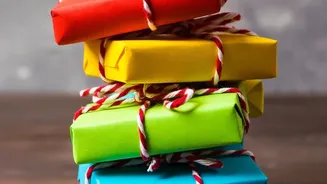
Good packaging does two jobs: it protects the food and makes the gift look special. Airtight containers are non-negotiable for maintaining freshness and keeping moisture out. Glass jars are fantastic for items like granola, pickles, or layered cookie mixes. For Indian sweets, especially those with ghee, using boxes with a food-grade inner lining or an aluminium foil tray is crucial to prevent the ghee from soaking through the cardboard. When packing delicate items like cookies, place them snugly in a tin or sturdy box lined with parchment or waxed paper. Fill any empty spaces with crumpled paper or even popcorn to stop the contents from shifting and breaking. For an assortment of items like a dry fruit hamper, use compartmentalised containers to prevent flavours from mixing.
Mastering the Art of Transport
How you transport the gift is the final, critical step. If you're delivering locally, ensure the gift is secure in your vehicle and not sliding around. For gifts being sent to another city, a few extra precautions are necessary. Always place your primary container (like a tin or box) inside a larger, sturdy corrugated cardboard box. This is called double-boxing and provides an essential layer of protection. Fill all the space between the inner and outer box with cushioning material like bubble wrap or foam peanuts to absorb shocks during transit. Clearly label the box as "Fragile" and "Perishable". If shipping during hot weather, especially items like chocolate, consider using insulated liners and cold gel packs to prevent melting. It's also wise to ship early in the week to avoid the package sitting in a warehouse over the weekend.