




The Great Escape from Urban Chaos
There's a quiet revolution happening in travel. For years, the default holiday involved navigating dense cities, ticking off famous landmarks, and returning home more tired than refreshed. Now, travellers are consciously moving in the opposite direction.
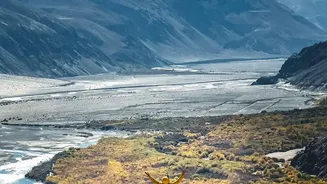
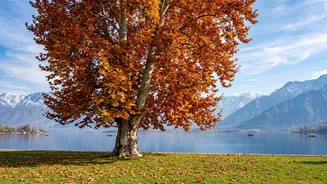
They are trading skylines for summits and traffic noise for the sound of birdsong. This shift is a direct response to the pressures of modern urban life, where constant connectivity and a fast pace leave little room to breathe. Nature offers what cities cannot: the luxury of space and silence. A survey from Booking.com for 2026 revealed that 91% of Indian travellers want to explore places with beautiful natural scenery, while 87% are looking for trips that help them mentally unwind.
A Search for Slower, Deeper Experiences
The pandemic acted as a major catalyst, forcing a global pause and prompting many to re-evaluate their priorities. People are now seeking more than just a trip; they want meaningful experiences. This has translated into a preference for 'slow travel', where the goal is to connect deeply with a destination rather than rushing through it. It's about enjoying unhurried meals, exploring local culture, and spending quality time outdoors. This desire for authenticity is steering people towards offbeat locations and immersive stays, such as farmstays where they can harvest their own food or eco-lodges integrated with the local environment. It's a move from passive sightseeing to active, soulful engagement.
Wellness as the New Luxury
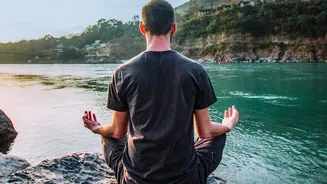
The link between nature and well-being is a powerful driver of this trend. Spending time in natural environments is proven to reduce stress, lower cortisol levels, and improve mood and focus. As a result, wellness tourism is booming, with travellers seeking out holidays that serve as a mental and physical reset. The global wellness tourism market is projected to grow significantly, indicating a collective move towards travel that heals and restores. This redefines 'luxury'—it's no longer just about opulent facilities, but about privacy, tranquillity, and the time to disconnect and recharge. A quiet morning in a forest or a hike along a mountain trail is becoming the new ultimate indulgence.
India's Rise as an Eco-Tourism Hub
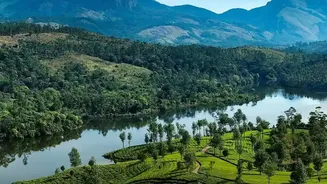
India is perfectly positioned to cater to this growing demand. The country's eco-tourism market is expected to reach USD 4.55 billion by 2027. Destinations like Himachal Pradesh, Kerala, and Sikkim are becoming hotspots for travellers seeking adventure, wellness, and sustainable stays. From the tea gardens of Munnar to the silent trails of the Himalayas, India offers a vast array of natural landscapes. States are developing strong eco-tourism policies, and a network of responsible lodges and community-based tourism initiatives has matured to meet the expectations of conscious travellers. These destinations offer authentic experiences, from staying on an organic farm in Sikkim to exploring the biodiversity of the Western Ghats, allowing travellers to leave a positive footprint.
Making Conscious Travel Choices
This shift towards nature is also tied to a growing awareness of sustainability. Many travellers are now mindful of the environmental impact of their trips and actively choose options that support conservation and local communities. This has fueled the popularity of eco-resorts, village homestays, and nature lodges that are built on a foundation of responsible tourism. Rather than contributing to the problems of over-tourism in popular hubs, travellers are finding that their holidays can be a force for good. Choosing a nature-focused holiday is becoming an expression of personal values, aligning the desire for a restorative break with the goal of travelling more responsibly.