

Why Texture Is Everything
Flavor gets most of the attention, but texture is the unsung hero of a great dish. It's what makes food interesting and satisfying to eat. When it comes to salads, which are often dominated by soft or crisp greens, a lack of textural variety can lead
to palate fatigue. This is why a simple bowl of lettuce feels boring, but a well-constructed salad feels like a complete meal. By intentionally adding contrasting elements—think crunchy, creamy, and chewy—you create a more dynamic experience in every bite. A crisp bite often signals freshness, while a smooth, creamy element can suggest richness, making the meal feel more substantial.
Bring the Crunch
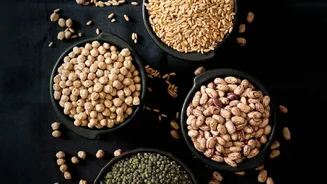
Crunch is the most craved texture in a salad for a reason. It provides an audible and satisfying contrast to tender greens. While croutons are a classic, the world of crunch is vast. Toasted nuts like almonds, walnuts, and pecans add a hearty, earthy bite. Seeds such as pumpkin (pepitas) or sunflower seeds offer a lighter, nuttier crunch and can be quickly toasted in a dry pan for a few minutes to amplify their flavor. For a different kind of crispiness, consider roasted chickpeas, which add fiber and protein, or even toasted grains like quinoa. You can also use wonton strips, crushed tortilla chips, or crispy fried shallots for a savory punch. Even fresh vegetables like thinly sliced radishes, jicama, or bell peppers can provide that essential snappy quality.
Introduce a Creamy Counterpoint
Creaminess provides a luxurious balance to all that crunch. It coats the other ingredients and adds a feeling of richness that makes a salad more filling. Avocado is a go-to for its healthy fats and buttery texture. Cheese is another powerful tool; soft cheeses like goat cheese, feta, or blue cheese crumble beautifully and offer a tangy creaminess, while a ripe Brie can be cubed and scattered throughout. A creamy dressing is perhaps the easiest way to achieve this effect. Dressings made with a base of Greek yogurt, sour cream, or tahini can tie the whole salad together. Even a soft-boiled egg with a jammy yolk can introduce a luscious, creamy element that enriches the entire bowl.
Don't Forget the Chew
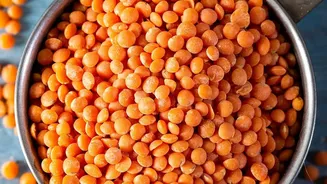
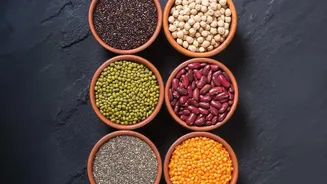
A chewy element is often overlooked but provides a final layer of textural sophistication. It slows down the eating process, making the meal feel more substantial. Dried fruits like cranberries, apricots, or cherries add a chewy texture along with a burst of concentrated sweetness. Cooked and cooled grains are another excellent source of chewiness. Farro, barley, and wheat berries have a satisfying bite that turns a light salad into a hearty grain bowl. Proteins can also serve this role perfectly. Think of grilled chicken, baked tofu, or lentils, which all provide a pleasant density and chew that makes a salad a truly complete meal.
Putting It All Together
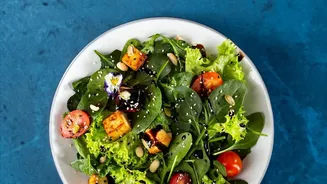
The art of building a better salad is about balance. You don't need to add dozens of ingredients; just be mindful of including a few different textures. A simple formula can be your guide: start with your leafy base, add one or two crunchy items, incorporate something creamy, and finish with a chewy component if you like. For example, combine spinach (base) with toasted almonds (crunch) and sliced apple (crisp-crunch), creamy goat cheese, and a sprinkle of chewy dried cranberries. Dressed with a simple vinaigrette, this combination hits all the right notes, creating a salad that is anything but boring. The more you experiment, the more you'll discover your own favorite combinations.