


Understanding the Water-Wise Shift
Low-water gardening, sometimes called xeriscaping, is much more than just planting a few cacti. It's a thoughtful approach to landscape design that aims to reduce or eliminate the need for supplemental watering. This method is gaining urgency as many
Indian cities face dwindling groundwater levels and unreliable monsoons. The core idea is to create a garden that works in harmony with the local climate, not against it. It involves a combination of smart plant selection, efficient irrigation, and healthy soil management to create a landscape that is resilient, low-maintenance, and environmentally responsible.
A New Definition of Beauty
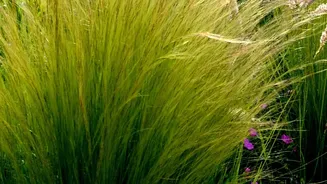
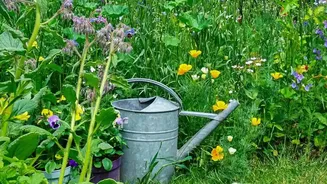
One of the biggest hurdles to adopting low-water gardening is the misconception that it results in a barren, colourless landscape. The reality is quite the opposite. This approach encourages a new appreciation for the diverse textures, forms, and subtle hues of drought-tolerant plants. It’s about creating a garden that is visually striking not just for its flowers, but for its silver-leafed foliage, sculptural succulents, and hardy, vibrant blooms that thrive in the heat. The goal is not to sacrifice beauty, but to find it in resilience and sustainability. A water-wise garden can be a lush, thriving ecosystem full of life and colour.
Smart Choices: The Right Plants for the Job
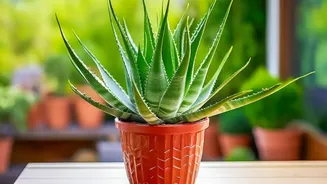
The heart of a low-water garden is its plant palette. The key is choosing species that are naturally adapted to thrive with minimal water once established. Native plants are often an excellent starting point, as they are already suited to the local soil and rainfall patterns. For Indian gardens, this opens up a world of vibrant and hardy options. Flowering plants like the brilliantly coloured Bougainvillea and Lantana are incredibly heat and drought-resistant. Succulents and cacti, such as Aloe Vera and various Agave species, offer stunning architectural forms and require very little water. Other excellent choices include the fragrant Lemon Grass, the hardy Oleander (Kaner), and the ever-popular Snake Plant, which is nearly indestructible.
Techniques Beyond Planting
Successful low-water gardening isn't just about what you plant, but how you care for the entire system. Applying a thick layer of mulch, such as shredded bark or leaves, on top of the soil is crucial. Mulch helps to retain soil moisture, suppress weeds, and keep the plant roots cool. Improving your soil with compost increases its ability to hold water, making every drop count. Furthermore, how you water matters. Drip irrigation or soaker hoses are far more efficient than sprinklers, as they deliver water directly to the roots with minimal evaporation. When you do water, do it deeply and infrequently in the early morning to encourage deep, resilient root growth.
Making the Transition
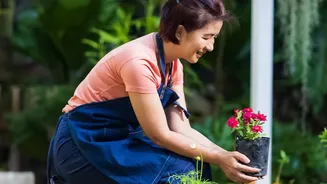
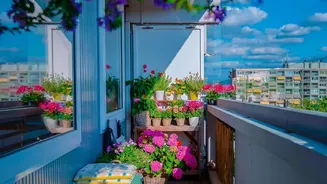
Shifting your entire garden at once can feel overwhelming. The best approach is to start small. Begin by replacing a thirsty, high-maintenance patch of lawn with a bed of drought-tolerant perennials. Group plants with similar water needs together, a practice known as hydrozoning, to make watering more efficient. As you replace old plants or add new ones, make a conscious choice to select a water-wise variety. Even small changes, like adding a few pots of succulents to your balcony or swapping a water-guzzling shrub for a native alternative, contribute to the larger goal. Every step helps build a more sustainable garden that can flourish for years to come, regardless of the weather.