

The New Wave of Weaves
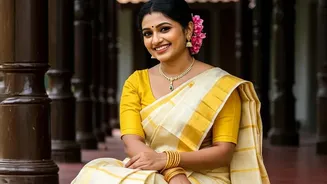
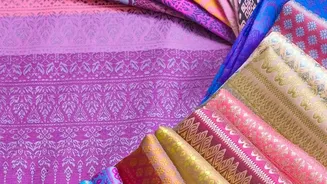
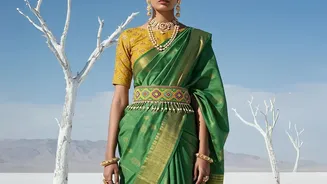
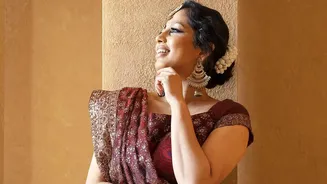
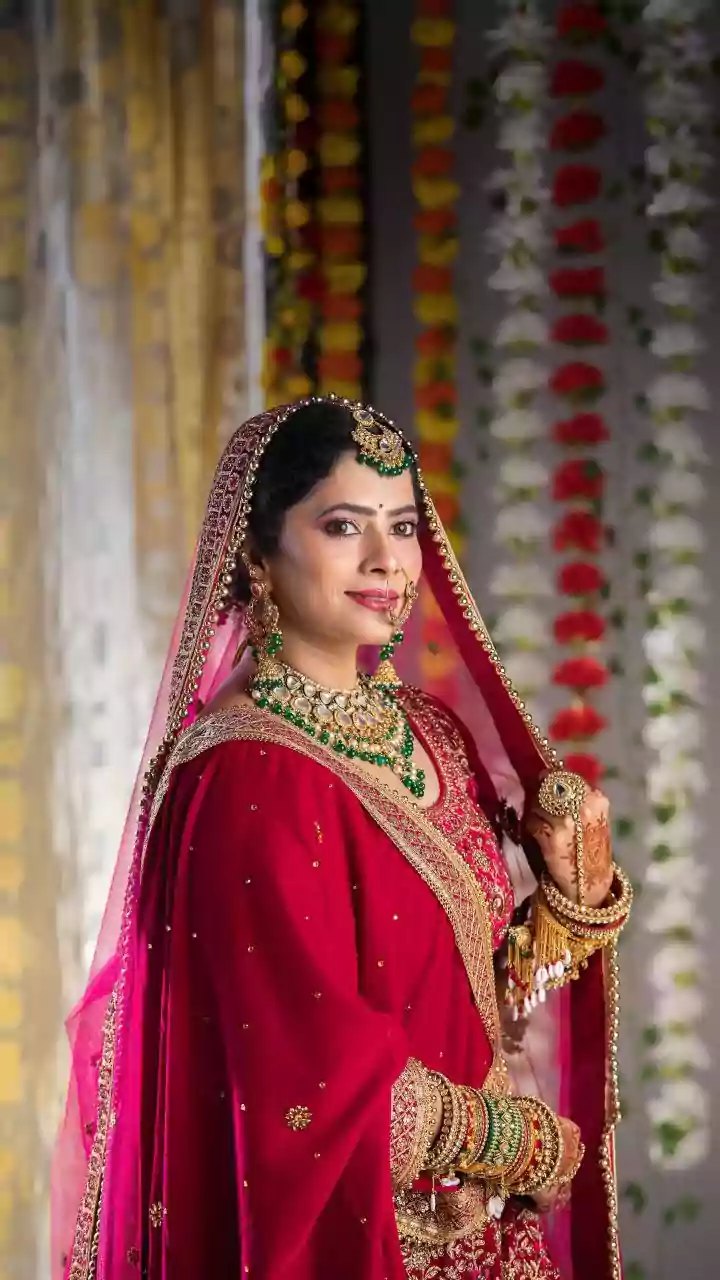
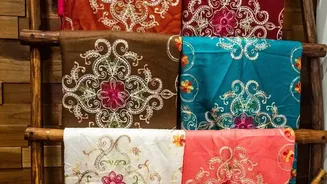
For years, handloom was often perceived as something reserved for special ceremonies or older generations. Today, that notion has been completely upended. A significant revival is underway, with fabrics like Jamdani, Chanderi, Banarasi silk, and Ikat
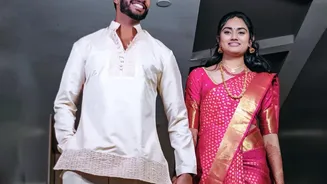
dominating the fashion landscape. This resurgence is driven by a collective shift towards mindful consumption and a desire for authenticity. Consumers, particularly the younger generation, are looking for garments with a story and a soul—qualities that mass-produced items lack. This has transformed handloom from a heritage craft into a contemporary style statement, equally at home in a high-powered boardroom and a casual Sunday brunch.
Designers as Modern Storytellers
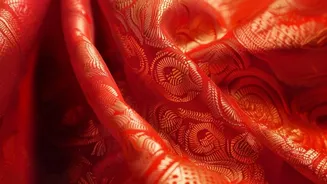
At the forefront of this movement are Indian designers who are acting as bridges between the past and the present. Labels like Raw Mango, Ekaya Banaras, and 11.11/eleven eleven are reinterpreting traditional textiles for a global audience. They are taking weaves prized for centuries, such as Banarasi silk or Chanderi, and fashioning them into jackets, co-ord sets, and contemporary dresses. This isn't about diluting tradition, but about giving it a new vocabulary. By experimenting with silhouettes, pairing a Jamdani sari with combat boots, or turning Khadi into edgy streetwear, designers are proving that handloom can be both timeless and fiercely modern. Their work celebrates the fabric as the starting point, honouring the skill of the weaver while creating clothing that speaks to today's lifestyle.
Craft Identity in a Globalised World
This revival is about more than just aesthetics; it's a powerful assertion of craft identity. In an era of globalised trends, wearing handloom has become an act of cultural ownership and a statement of individuality. Each handwoven piece is unique, carrying the subtle imperfections and imprints of its maker. This resonates deeply with Gen Z, a generation that values authenticity and self-expression over uniform logos. Choosing handloom is a conscious decision to support slow fashion, sustainability, and ethical production. It's a way of connecting with a lineage of craftsmanship that stretches back centuries, making a personal wardrobe choice a reflection of a much larger cultural narrative.
From Weaver to Wardrobe
The growing demand for handloom textiles is a crucial lifeline for India's artisan communities. The sector, which is the country's second-largest source of rural employment after agriculture, provides a livelihood for millions of weavers, a majority of whom are women. However, these artisans face significant challenges, including competition from power looms, rising material costs, and inadequate wages that deter younger generations from taking up the craft. The current revival presents an opportunity to address these issues by creating a direct and appreciative market for their skills. When consumers and designers champion handloom, they are not just buying a product; they are investing in the preservation of invaluable skills and supporting the economic continuity of entire communities.
Styling the Handloom Story
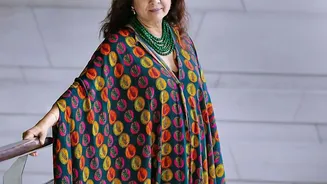
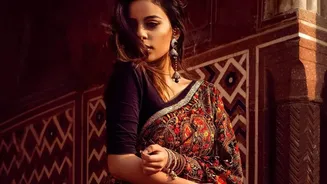
Incorporating handloom into a contemporary wardrobe is easier and more exciting than ever. The key is to move beyond traditional pairings. An oversized Khadi shirt can be styled with biker shorts and sneakers for an effortlessly chic look. A luxurious Banarasi silk is no longer just for saris; it can be a sharp blazer or a statement jacket. Similarly, a colourful Ikat or Ajrakh pattern can bring life to modern silhouettes like dresses, skirts, and even shoes. The fusion lies in the styling—pairing a handwoven top with denim, layering a gamcha dress with boots, or using a dupatta as a crop top. This playful approach makes heritage textiles accessible and personal, allowing you to wear a piece of Indian history in a way that feels completely your own.