

The River's Embrace: Life on Majuli
The journey often begins in the plains of Assam, on the vast, life-giving Brahmaputra River. Here, nestled in its braided channels, lies Majuli, a place often cited as the world's largest river island. To visit Majuli is to surrender to the river's rhythm.
Life is dictated by its ebb and flow. Homes are built on stilts, and transport often means a slow ferry ride from the mainland, a transition that feels like shedding the pace of modern life. The island isn't just a geographical curiosity; it is the spiritual heartland of Assamese neo-Vaishnavite culture. This tradition, established in the 15th century, thrives in the island's many 'satras'—monasteries that are living centres of art, music, and devotion. The landscape of the island, with its fertile soil and wetlands, has shaped a life dependent on farming and fishing, creating a resilient culture that exists in harmony with the water that surrounds it.
A Floating Monastery of Culture
The context Majuli provides is one of preservation. Its relative isolation has allowed unique art forms to flourish for centuries. The satras are not museums but vibrant communities where monks practice the classical Sattriya dance, perform religious dramas known as 'Bhaona', and craft intricate masks from bamboo, clay, and cloth. Visiting the Samaguri Satra, for instance, offers a glimpse into the art of mask-making, a tradition passed down through generations. This cultural ecosystem is a direct result of its island geography. The Brahmaputra has acted as both a protector and a force of change, fostering a unique identity that is inseparable from the land. A trip here is a lesson in how a landscape can become a sanctuary for tradition, shaping everything from spiritual beliefs to artistic expression.
The Ascent to the Clouds
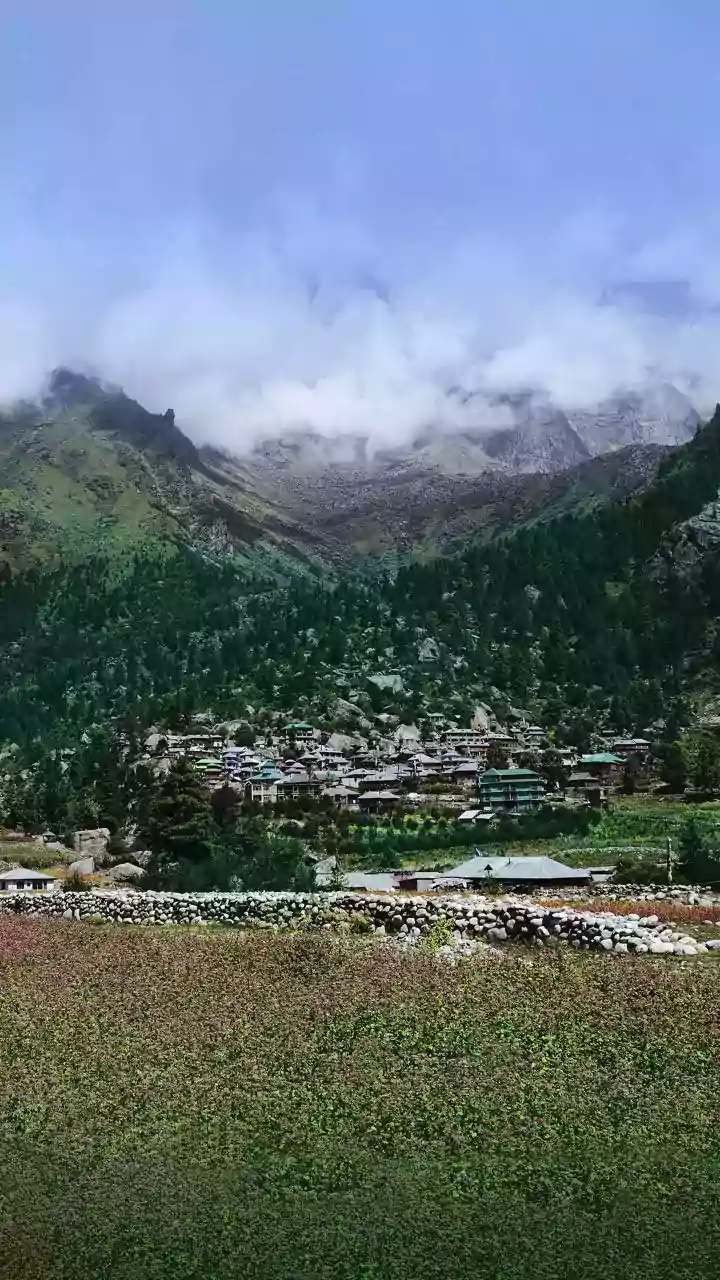
From the river plains, the journey moves upward, and the landscape transforms dramatically. States like Arunachal Pradesh, the 'Land of the Dawn-Lit Mountains', and Sikkim offer a different kind of context—one written in soaring peaks and deep valleys. Driving towards Tawang in Arunachal Pradesh involves crossing the breathtaking Sela Pass, which sits at over 13,000 feet. This high-altitude corridor, often wrapped in mist and snow, is more than just a road; it is a gateway to another world. The mountains here are not passive backdrops; they are sacred entities. Peaks like Gorichen are considered guardian deities by local tribes like the Monpa, protecting them from harm. This spiritual reverence shapes daily life, turning a mountain trek into a pilgrimage. The landscape is dotted with monasteries perched precariously on ridges, like the iconic Tawang Monastery, the second-largest in the world, which serves as the cultural core for the region.
Where Mountains Forge Identity
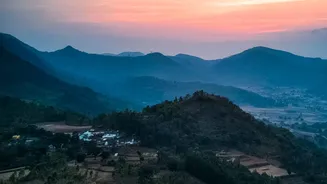
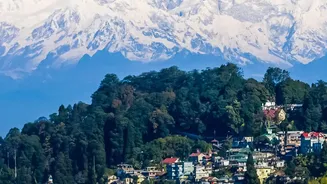
The rugged terrain of the Eastern Himalayas has historically kept communities isolated, fostering an incredible diversity of cultures. In Nagaland, the mountainous landscape is home to over 16 major tribes, each with its own distinct language, festivals, and customs. Villages were traditionally built on strategic hilltops for defence, and this history is visible in their layout and structure. The relationship between the people and their environment is deeply symbiotic. Naga oral traditions and folklore are rich with references to nature, guiding the use of forests and resources. Similarly, in Sikkim, the state's cultural identity is inseparable from Tibetan Buddhism, and its many monasteries, such as Rumtek and Pemayangtse, are spiritual sanctuaries nestled amid stunning mountain vistas. A visit to these monasteries offers a quiet moment of reflection, where the grandeur of the Himalayas amplifies the sense of peace and spirituality.