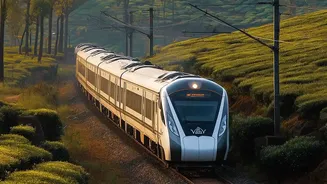




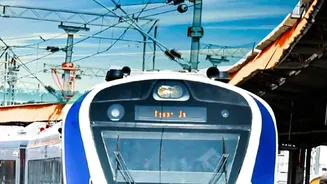
Indian Railways has revised the menu on some of its premier Vande Bharat Express trains. While billed as a 'rationalisation', it means fewer and lighter options for passengers on these specific routes. Here’s what you need to know about the change.
The Affected Routes
The
menu change is not across the board but has been implemented on three specific Vande Bharat Express services. These are primarily routes with shorter journey times where passenger feedback indicated a preference for lighter meals. The three trains currently serving the new, trimmed-down menu are the Delhi-Dehradun, Nagpur-Bilaspur, and Secunderabad-Tirupati services. If you are travelling on other Vande Bharat routes, the original, more elaborate menu remains in place for now. The decision was made after a review by the Indian Railway Catering and Tourism Corporation (IRCTC), which manages onboard catering.
What's On the New Menu?
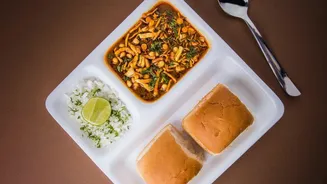
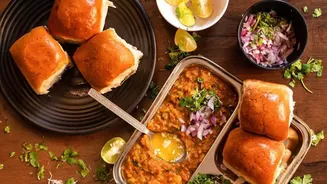
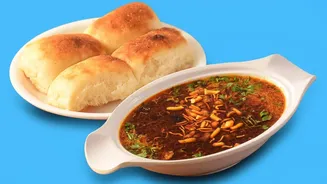
The core of the change is a shift from heavier meal components to lighter, often regional, snacks and dishes. For example, on the Delhi-Dehradun route, breakfast choices like bread omelettes have been replaced with simpler options. For evening tea on the same route, the familiar samosa has made way for items like dry kachori. Similarly, on the Nagpur-Bilaspur service, the breakfast menu now features poha, a popular dish in the region. Travellers on the Secunderabad-Tirupati train will find breakfast options like upma or pongal, followed by dahi vada for an evening snack, reflecting local culinary tastes. The changes affect all meal services on these trains, from breakfast to lunch, dinner, and evening tea.
The Rationale Behind the Change
According to IRCTC, the primary driver for this 'rationalisation' was direct feedback from passengers. Many travellers on these shorter-duration routes reported that the existing menu was too heavy and often resulted in significant food wastage. Passengers felt they did not need a multi-course, elaborate meal for a journey of just a few hours. The new menu is designed to be lighter on the stomach and reduce the amount of uneaten food that is thrown away. Officials have also framed the move as an opportunity to introduce more regional, seasonal, and festive flavours, moving away from a standardised menu that doesn't account for local preferences.
A Feedback-Driven Initiative
The menu revision wasn't a sudden decision but the result of a pilot study and analysis of customer opinions collected over time. IRCTC has stated that it continuously gathers feedback to fine-tune its services, and the food served on its trains is a frequent topic of discussion. By implementing these changes, the railways aim to show they are responsive to passenger needs and are working to create a more customised and efficient service. The success of this initiative will likely be judged by ongoing passenger satisfaction and its measurable impact on reducing food wastage on these routes. The change aligns with a broader goal of making train journeys more sustainable and tailored to specific regional tastes.
Will More Trains Follow Suit?
For now, the revised menu is limited to the three specified routes. However, IRCTC has indicated that this is part of a dynamic review process. If the feedback on the new, lighter menus is positive and the changes prove effective in cutting down waste, it is possible that similar 'rationalised' menus could be introduced on other Vande Bharat trains, particularly those with comparable shorter journey times. Passengers on all routes are encouraged to provide feedback on their catering experience, as this data will likely inform future decisions regarding onboard food services across the entire Vande Bharat network. The move signals a more flexible approach to catering, where one size may no longer fit all.