


A Tale of Two Kitchens
The story of the lava cake has two competing, yet equally compelling, origin stories. One account credits celebrated French chef Michel Bras, who says he spent two years perfecting a dessert that would capture the feeling of drinking hot chocolate after
a ski trip. In 1981, he introduced his *coulant au chocolat*: a small chocolate cake with a frozen ganache core that, when baked, would melt into a liquid centre. The other story comes from New York in 1987, where chef Jean-Georges Vongerichten claims he created the dessert by happy accident. As the story goes, he pulled a chocolate sponge cake from the oven too early, only to find its runny but warm centre was a hit. Vongerichten's version became a sensation in the United States, popularising the dessert that would become a fine-dining staple in the 1990s.
The Science of a Perfect Ooze
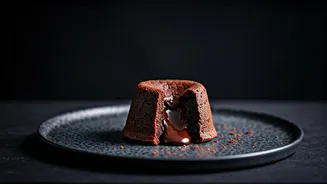
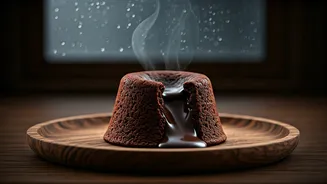
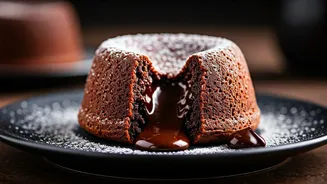
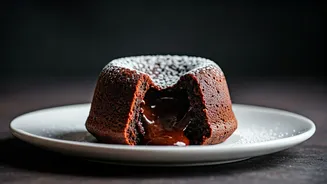
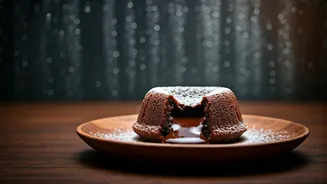
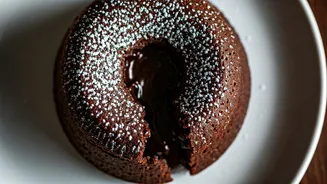
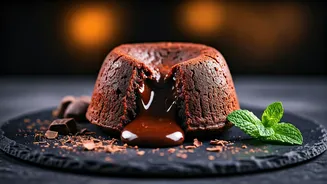
The magic of a lava cake isn’t just an accident; it's a delicious lesson in physics and chemistry. The goal is to create a stark contrast between a firm, cakey exterior and a liquid, molten interior. This is achieved through precision baking. The batter, typically a mix of chocolate, butter, eggs, sugar, and a small amount of flour, is baked at a high temperature for a very short time. This process cooks the outside quickly, setting its structure, while leaving the inside just warm enough to be a luscious, flowing liquid. The heat diffuses from the outside in, and pulling the cake from the oven at the exact right moment halts this process before the core has a chance to solidify. It’s a delicate balance: a minute too long and you have a regular chocolate cake; a minute too short and the structure collapses.
An Experience, Not Just a Dessert
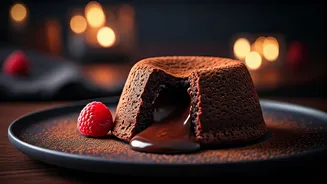
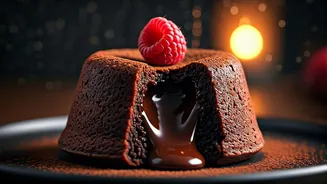
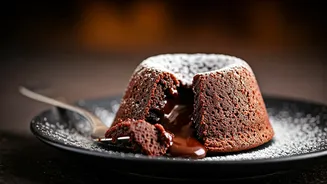
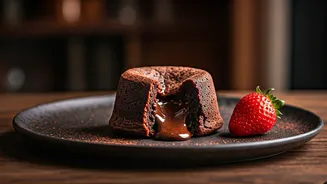
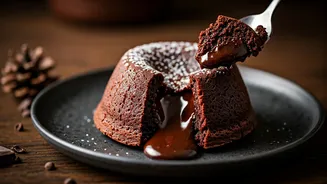
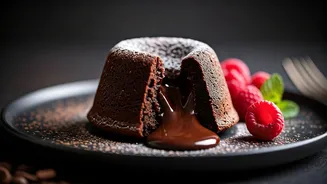
Much of the lava cake’s enduring appeal lies in the experience. It offers a moment of pure culinary theatre—that first crack of the spoon breaking the surface, followed by the satisfying ooze of warm chocolate. This taps directly into how we experience pleasure in food through sensory contrast. The combination of a warm cake with the cold scoop of vanilla ice cream or fresh berries it's so often paired with creates a delightful play of temperatures. The textural difference between the soft, yielding cake and the rich, flowing centre makes each bite deeply satisfying. It’s a dessert that feels both comforting and luxurious, simple yet elegant, making it a reliable choice for everything from a casual dinner to a special celebration.
From Fine Dining to a Global Phenomenon
While it began as a star on high-end dessert menus, the lava cake’s popularity saw it spread across the culinary landscape. By the 2000s, it had become a beloved fixture at chain restaurants and could even be found in the freezer aisle of grocery stores. This transition from an exclusive dish to a mainstream favourite showcases its universal appeal. Its simple ingredient list—butter, eggs, sugar, and chocolate—makes it accessible, yet the result feels impressively sophisticated. This adaptability has cemented its status as a global comfort food, appearing on menus in cafes and homes worldwide.
A Timeless Canvas for Creativity
Part of what keeps the lava cake from feeling dated is its incredible versatility. While the classic dark chocolate version remains a favourite, chefs and home bakers constantly reinvent it. Modern iterations include everything from white chocolate, lemon, and red velvet to more adventurous flavours like matcha and salted caramel. Some versions incorporate peanut butter, butterscotch, or fruit compotes into the molten centre. This ability to act as a canvas for new flavour combinations keeps the dessert fresh and exciting. Whether you prefer the unadulterated classic or a creative new take, the fundamental pleasure of a warm, melting cake remains the same, ensuring it never truly goes out of style.