






The Urban Pollinator Crisis
Pollinators are the unsung heroes of our ecosystems. They are responsible for the reproduction of the vast majority of the world's flowering plants, including many fruits and vegetables we eat. However, in cities across India and the globe, these vital
creatures are in trouble. Urbanisation leads to habitat loss, replacing flowering plants with concrete and buildings. Pollution can interfere with a bee's ability to find flowers, while the widespread use of pesticides can be lethal. Studies have shown a significant decline in bee populations in major Indian cities like Bengaluru, threatening not just local biodiversity but also urban food security.
Your Balcony: A Vital Pit Stop
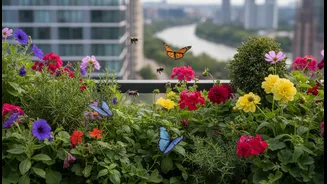
It may seem small, but a single balcony garden can make a world of difference. For a bee or butterfly navigating a city, a collection of flowering pots is not just a pretty sight—it's a vital refuelling station. Urban areas often have fragmented green spaces, and balconies can act as 'stepping stones' that connect parks and larger gardens, creating a safe corridor for pollinators to travel and forage. When numerous balconies in a neighbourhood become green, they form a powerful network of support, offering nectar, pollen, and rest stops for these essential insects. Research has shown that even a few well-chosen plants can become a reliable food source that pollinators will learn to visit regularly.
Choosing the Right Pollinator-Friendly Plants
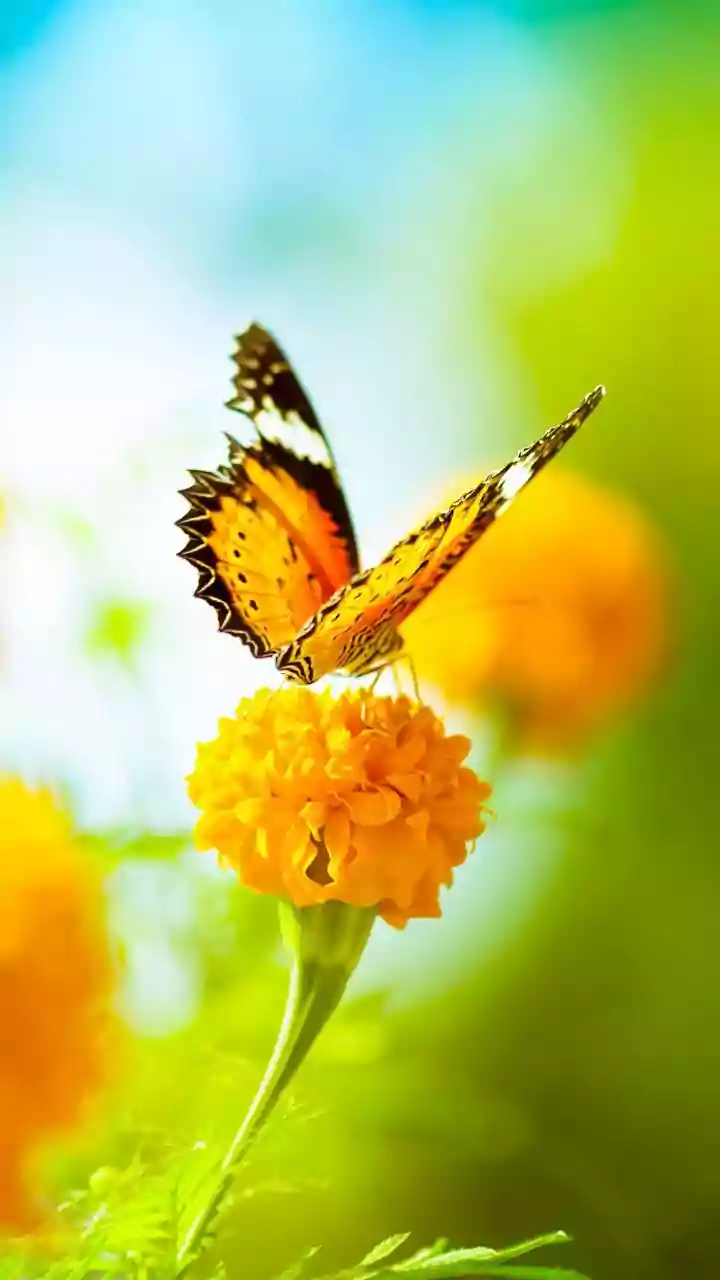
The key to a successful pollinator balcony is choosing plants that are rich in nectar and pollen. For Indian climates, many beautiful and low-maintenance options are available. Brightly coloured flowers like Marigolds (Genda) are excellent for attracting bees and are very tolerant of Indian weather conditions. Aromatic herbs like Lavender and Tulsi (Holy Basil) are irresistible to bees when they flower. Other great choices include Salvia, with its nectar-rich spikes, and the humble Butterfly Pea climber, which provides both beautiful coverage and edible flowers. To provide a continuous food source, try to plant a variety of flowers that bloom at different times of the year.
More Than Just Flowers: Creating a Habitat
A truly pollinator-friendly balcony offers more than just food. One of the most important steps is to avoid chemical pesticides and herbicides, which are extremely harmful to bees and other beneficial insects. Opt for natural pest control methods like using neem oil. Providing a safe water source is also crucial. A shallow dish filled with pebbles or marbles allows bees and butterflies to drink without the risk of drowning. You can also offer shelter from wind and rain by creating dense plantings or even adding a small 'bee hotel' to provide nesting spots for solitary bees. Letting some soil remain bare in a pot can also provide a nesting site for ground-nesting bee species.
Maximising Your Small Space
You don't need a large area to create a significant impact. Vertical gardening is a balcony's best friend. Use railing planters, hanging baskets, and wall-mounted pots to maximise your growing area without cluttering the floor. Tiered stands and ladder shelves can create layers of greenery, attracting a wider variety of pollinators. Think about planting climbers that can grow up your railings. By using every available nook, from the floor to the walls and railings, you can pack a surprising number of nectar-filled flowers into a small space, creating a vibrant and buzzing eco-paradise right outside your door.