




The New Culinary Hotspots
The food and beverage growth story in India is no longer exclusive to metropolitan hubs. A decisive shift is underway, with tier-2 cities like Indore, Jaipur, Lucknow, and Kochi rapidly emerging as the nation's new dining hotspots. This transformation
is fuelled by a confluence of factors: rising disposable incomes, evolving consumer behaviour, and favourable operational costs. As metro markets approach saturation, restaurant operators and food brands are turning their attention to these smaller, yet vibrant, consumption centres. Reports indicate that over 90% of large restaurant operators are planning expansions into these geographies, attracted by rentals that can be 40-60% cheaper than in Mumbai or Bengaluru and the promise of breaking even within two years—a much faster cycle than in major metros.
Lucknow: Where Heritage Meets Modernity
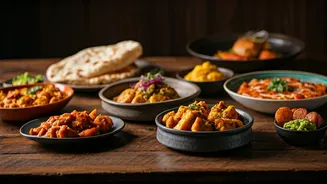
Lucknow, a city long celebrated for its rich Awadhi culinary traditions, is a prime example of this evolution. While historic establishments serving unchanged recipes of galouti kebabs and dum pukht biryani continue to thrive, a new wave of chefs and restaurateurs is reimagining this heritage for contemporary palates. The city, recently named a UNESCO 'Creative City of Gastronomy', now boasts a dynamic food scene where traditional street food vendors coexist with modern cafes and premium restaurants. This blend of old and new is not just a trend but a reflection of the city's Ganga-Jamuni tehzeeb, where culinary arts are deeply interwoven with culture and community. The growth is also empowering women entrepreneurs, who are leveraging traditional home-cooked recipes to enter the food business.
Indore: India’s Street Food Capital
When it comes to street food, Indore has firmly established its reputation as the 'Street Food Capital of India'. Its food culture is an extraordinary mix of Maharashtrian influences from the Holkar dynasty and a sophisticated local snack culture. The city is famous for its dedicated food streets, Sarafa Bazaar, which operates until the early morning hours, and Chappan Dukan (56 Shops), a redeveloped modern eatery hub. These hubs offer everything from local specialities like poha-jalebi, bhutte ka kees, and khopra patties to a wide array of other Indian and international cuisines. The city is actively working to maintain its status by promoting food safety, hygiene, and sustainable practices, aiming to be number one in food just as it is in cleanliness.
Jaipur: A Royal City’s Evolving Palate
Jaipur's food scene is undergoing a quiet reinvention. While long associated with traditional Rajasthani staples like Dal Baati Churma and Laal Maas, the Pink City is now a hotspot for themed cafes, modern dining spaces, and innovative culinary concepts. A new generation of chefs is looking inward, exploring hyper-local micro-cuisines and reviving forgotten cooking techniques, sometimes even moving away from tourist-centric dishes to present a more authentic taste of the region. This culinary renaissance is happening alongside a boom in cafe culture, driven heavily by social media. Platforms like Instagram are shaping dining trends, with 'Reel-friendly' interiors and visually appealing dishes becoming as important as the taste itself. This digital-first approach is making Jaipur's food scene more visible and accessible than ever before.
The Aspirational and Digital Diner
Underpinning this nationwide trend is a new kind of consumer in tier-2 cities. They are younger, digitally savvy, and more experimental, with an appetite for global trends and new experiences. Social media, OTT content, and better internet access have cultivated a curiosity for diverse cuisines, from Korean to Mexican. This digitally-engaged audience, comprising a significant portion of Gen Z and millennials, views dining out not just as an occasional indulgence but as a regular part of their lifestyle. They are health-conscious, interested in ingredient sourcing, and willing to pay for quality and experience, driving demand for everything from artisanal coffee to gourmet burgers and protein-focused meals.