








Goodbye to the Paper Card
For decades, the Incoming Passenger Card has been a fixture of arriving in Australia. It’s the paper form where travellers declare personal details, travel history, and any goods that might pose a biosecurity risk. But in an increasingly digital world,
the handwritten card has become an analogue bottleneck. Recognising this, the Australian government is investing in a nationwide transition to a digital-first system, aiming to bring the border experience into the 21st century and finally retire the familiar, if sometimes frustrating, paper card. The move has been welcomed by tourism and airport authorities as a long-overdue modernisation.
What Is the Digital Arrival Declaration?
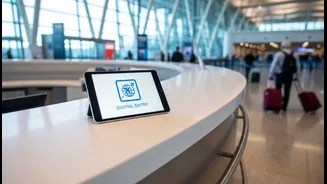
The new system is called the Australia Travel Declaration (ATD). It is a direct digital replacement for the paper card, collecting the same essential customs, immigration, and biosecurity information online. Instead of filling out the form on the plane or in the terminal, travellers will be able to complete their declaration digitally before they land in Australia. Following a successful trial with Qantas that began in October 2024 and involved over 450,000 passengers, the government has given the green light for a national rollout. The program will expand to airports in Perth and Adelaide by the end of 2026, with a full rollout across all international airports and seaports planned over the subsequent 12 to 18 months.
How It Promises a Faster Arrival
The primary benefit for travellers is the potential for a quicker and smoother journey through immigration. By submitting your information up to 72 hours before arrival, you give border agencies a head start. This allows Australian Border Force and biosecurity officials to conduct risk assessments before you even touch down. For the majority of low-risk passengers, this could mean expedited processing and shorter queues. Government ministers have championed the change as a way to create a more “seamless border process,” letting visitors spend less time in airport queues and more time enjoying their trip.
The Traveller Experience: Step-by-Step
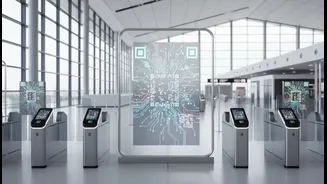
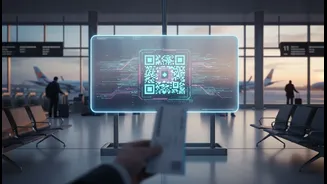
The process is designed for convenience. Travellers will be able to access the declaration through a web-based form. The government also plans to work with airlines to integrate the system into their own apps, similar to how the Qantas trial operated. During the pilot, passengers who completed the digital form received a QR code through the app and via email. This code was then simply scanned by a border official upon arrival for quick clearance. This removes the need to juggle passports, pens, and paper forms in a cramped airline seat.
Is This Different from the DPD?
Frequent travellers may remember the Digital Passenger Declaration (DPD), which was introduced during the COVID-19 pandemic and retired after just five months in 2022. That system was widely seen as cumbersome and was tied specifically to health information. The new Australia Travel Declaration is a completely separate initiative aimed at permanently replacing the paper card for customs and biosecurity purposes. Having learned from previous attempts, including another stalled program from 2016, authorities are taking a more phased and cautious approach to this rollout to ensure a smoother transition.
What If I Can't Use It?
The move to digital raises valid questions about accessibility. The government has confirmed that paper arrival cards will not disappear entirely. They will remain available for travellers who do not have a smartphone, run out of battery, or are otherwise unable to complete the digital form. The goal is to modernise the process for the millions who can use it, while ensuring that a functional, accessible alternative remains in place for those who need it. This ensures the system is inclusive and doesn't create new barriers for travellers.