




What Are Sodium-Ion Batteries?
At its core, a sodium-ion battery works much like the familiar lithium-ion batteries that power our phones and current EVs. It stores and releases energy by moving ions between a positive and negative electrode. The game-changing difference is that it uses
sodium ions instead of lithium ions. Why does this matter? Sodium is one of the most abundant elements on Earth, found everywhere in common salt. Lithium, on the other hand, is relatively rare, with supply chains concentrated in a few countries. This fundamental switch in materials away from lithium, cobalt, and nickel is the key to unlocking a more affordable and sustainable battery.
The All-Important Cost Advantage
The primary driver behind the excitement for sodium-ion technology is cost. Sodium is over 1,000 times more abundant than lithium, making its raw material, sodium carbonate, dramatically cheaper than battery-grade lithium carbonate. Furthermore, sodium-ion cells can use inexpensive and readily available aluminum for internal components where lithium-ion batteries require more expensive copper. This combination of cheaper raw materials and simplified manufacturing promises to significantly reduce the overall cost of a battery pack, which is the single most expensive component in an electric car. While manufacturing is still scaling up, the long-term potential for cost savings is immense.
Performance vs. Price: Understanding the Trade-Offs
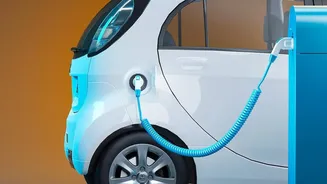
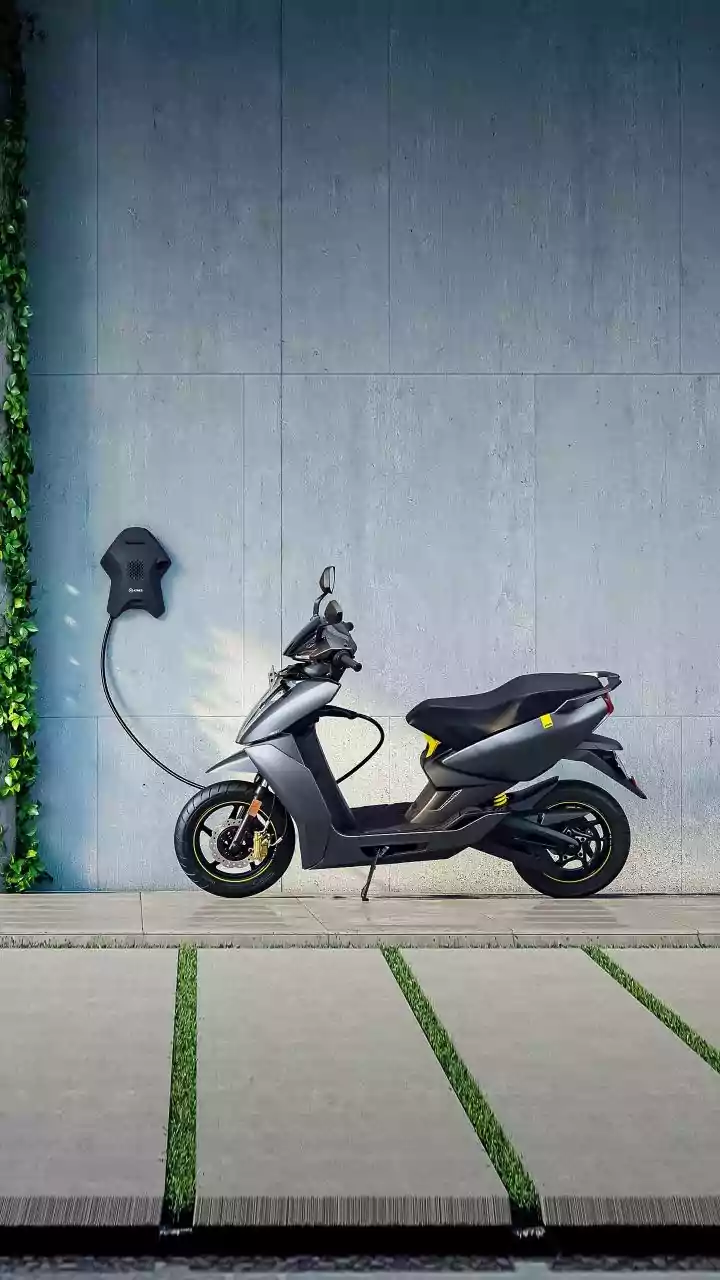
So, if sodium-ion is so much cheaper, why isn't it in every EV? The main trade-off is energy density. Sodium-ion batteries currently store less energy for the same size and weight compared to their lithium-ion counterparts. This means a car with a sodium-ion pack will generally have a shorter range. However, this technology isn't designed to replace high-performance, long-range lithium batteries. Instead, it's perfect for its intended market: affordable, entry-level city cars and two-wheelers where a range of 300-400 km is more than enough for daily commutes. In return for a modest range, you get significant benefits. Sodium-ion batteries are safer, with much lower risk of overheating, a key advantage in hot Indian climates. They also perform exceptionally well in extreme cold, a known weakness for many lithium-ion cells.
Real-World Adoption and India's Opportunity
This technology is no longer just a laboratory concept. Chinese battery giant CATL began mass production of its sodium-ion batteries in 2026, and the world's first mass-produced passenger EV with this tech, made in partnership with Changan Automobile, is set to hit the market. Other automakers like BYD are also incorporating sodium-ion options into their budget-friendly models. This progress is highly relevant for India. Reliance Industries has been investing heavily, acquiring UK-based sodium-ion pioneer Faradion with plans to establish a giga-factory in Jamnagar. This move aims to build a domestic supply chain and reduce reliance on imported materials. Additionally, researchers at JNCASR in Bengaluru have developed a fast-charging sodium-ion battery, showing India's growing R&D prowess in the field. As these global and local efforts mature, Indian consumers can expect to see a new wave of more affordable and safer electric cars and scooters tailored for urban life.