





The Big Mix-Up: ETA vs. eVisa
First, let's clear up the biggest point of confusion. The UK has introduced two new terms: the Electronic Travel Authorisation (ETA) and the eVisa. They are not the same, and they do not apply to everyone. The ETA is a new requirement for nationals from
countries who can visit the UK without a visa for short trips (visa-exempt countries). This includes nations like the USA, Canada, Australia, and all EU member states. India is not on the list of visa-exempt countries. Therefore, Indian passport holders cannot use the ETA system for tourism or business visits to the UK. The process that has actually changed for Indians involves the eVisa, which is a digitalisation of the traditional visa process.
So, What Is a UK ETA?
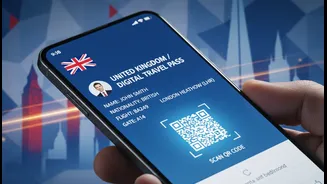
The Electronic Travel Authorisation (ETA) is a digital permission to travel, not a visa. It's a quick, online application for visitors who don't need a full visa. As of early 2026, it costs £20 and is valid for two years, allowing multiple entries. The UK government introduced this system to pre-screen visitors and strengthen border security, similar to the ESTA system in the United States. For travellers from over 85 eligible countries, the ETA became mandatory from February 2026, and airlines are required to check for it before boarding. While this is a major change in UK immigration, it's important to remember it primarily affects those who previously enjoyed visa-free travel.
The Real Change for Indians: The eVisa
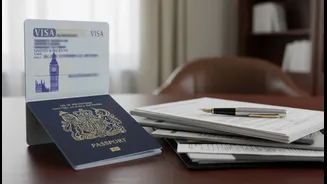
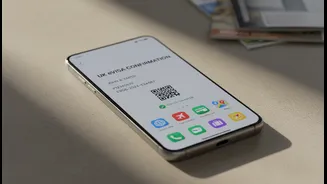
The actual change impacting Indian travellers is the move to eVisas. As of early 2026, the UK has phased out the old system of placing physical visa stickers (vignettes) in passports. Indian nationals still need to apply for a Standard Visitor Visa for tourism, family visits, or short business trips. However, upon approval, they now receive a digital eVisa. This eVisa is an electronic record linked directly to your passport number in the UK's immigration database. The move is part of a broader push to digitise the UK border and make the system more secure. Your immigration status is now proven online, not by a sticker in a booklet.
How the New eVisa Process Works
While the outcome is digital, the application process for Indian citizens remains familiar. You must still fill out the detailed visa application form online, pay the required fees, and attend an appointment at a visa application centre (like VFS Global) to submit biometric information (fingerprints and a photograph). The key difference is that you may no longer need to leave your passport at the centre for the entire processing period. Once your visa is granted, you receive an email confirmation, and your status is updated in your UK Visas and Immigration (UKVI) online account. Airlines verify this digital permission before you board, so it's crucial that the passport you travel with is the exact one linked to your eVisa.
The Standard Visitor Visa Remains Essential
To be crystal clear: if you are an Indian citizen planning to visit the UK for a holiday or to see family in 2026, you cannot simply apply for an ETA. You must go through the full application for a Standard Visitor Visa. This remains the only valid route for entry for these purposes. Any website or agent claiming to offer Indian citizens a simple ETA for a UK holiday is incorrect. The process is more involved than the ETA system and requires substantial documentation and a higher fee, but it is the only correct and legal path to follow.