


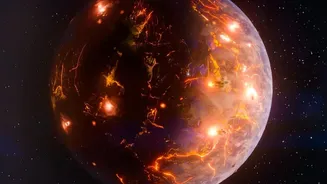
Earth's Hellish Sister Planet
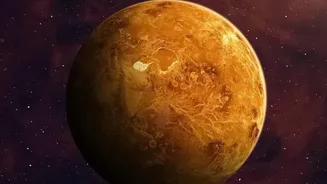
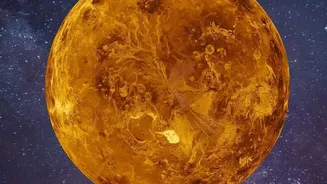
Venus is often called Earth's twin due to its similar size and composition. Yet, it’s a world that took a drastically different path. With surface temperatures hot enough to melt lead and a crushing atmosphere over 90 times denser than ours, it's the
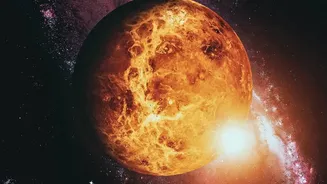
most hostile planet in the solar system. For decades, scientists have wondered if this seemingly dead world is still geologically alive. The biggest question is whether volcanoes still erupt on Venus, reshaping its surface and spewing gases into its suffocating atmosphere. Finding the answer would not only rewrite our understanding of Venus but also provide crucial insights into how Earth-like planets can evolve so differently.
A Telltale Sign in the Clouds
The key to finding active volcanoes might not be on the surface, but high up in the clouds. Scientists have long observed large and fluctuating amounts of sulfur dioxide (SO2) in the Venusian atmosphere. On Earth, the vast majority of atmospheric SO2 is produced by volcanic activity. The intriguing part is that on Venus, SO2 in the upper atmosphere should be quickly destroyed by sunlight. Its persistent presence suggests it is being constantly replenished from a source below. This atmospheric chemistry is like a planetary smoke signal, pointing to the possibility that volcanoes are actively pumping the gas into the sky. Previous missions, like ESA's Venus Express, have recorded significant spikes in SO2 followed by sharp declines, strengthening the volcanic hypothesis.
Connecting Gas to Ground
While fluctuating SO2 is a strong hint, it isn't definitive proof. The debate over active volcanism on Venus has raged for years. However, recent analyses of old radar data from NASA's Magellan mission from the 1990s have provided direct evidence. Scientists have identified specific locations, like the Sif Mons and Maat Mons volcanoes, where the ground appears to have changed, consistent with fresh lava flows that occurred during the mission. One study even found a volcanic vent that grew and changed shape over just eight months. This ground-based evidence, combined with the atmospheric SO2 clues, makes the search for active volcanism one of the most exciting frontiers in planetary science.
Enter Shukrayaan: India's Venus Orbiter
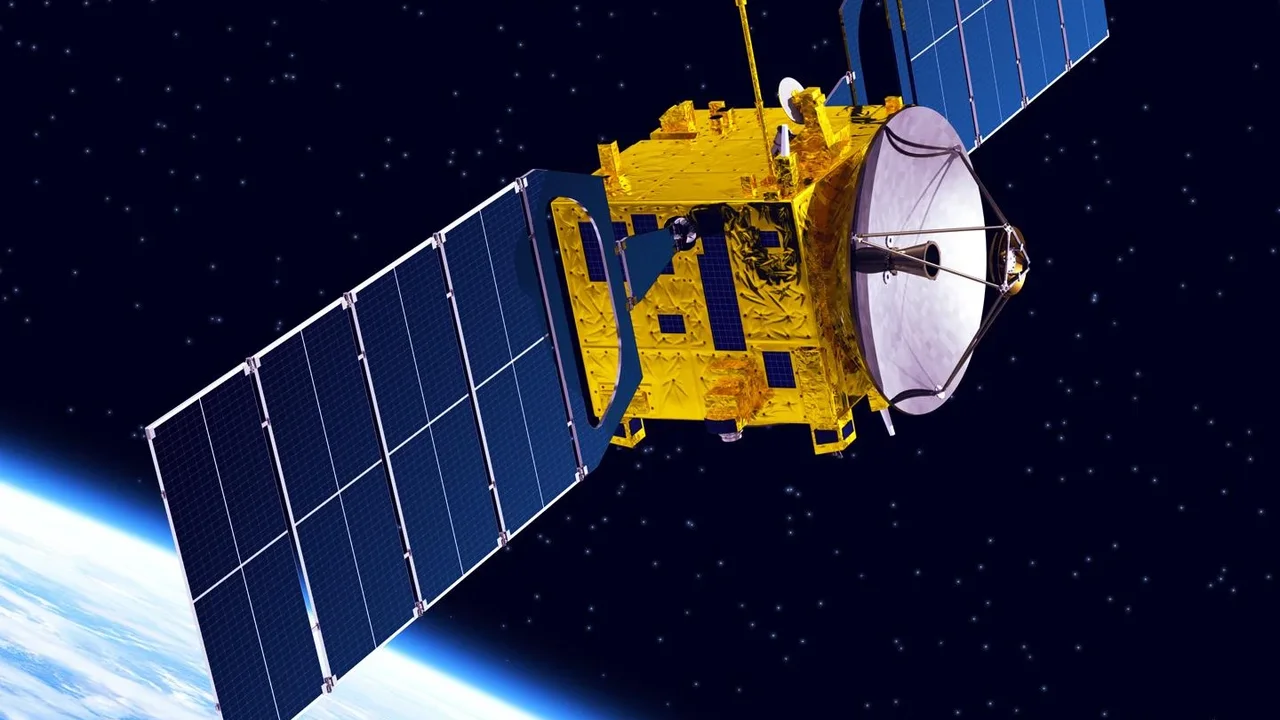
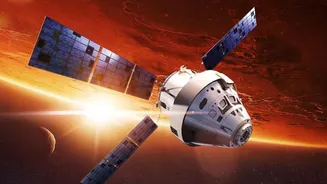
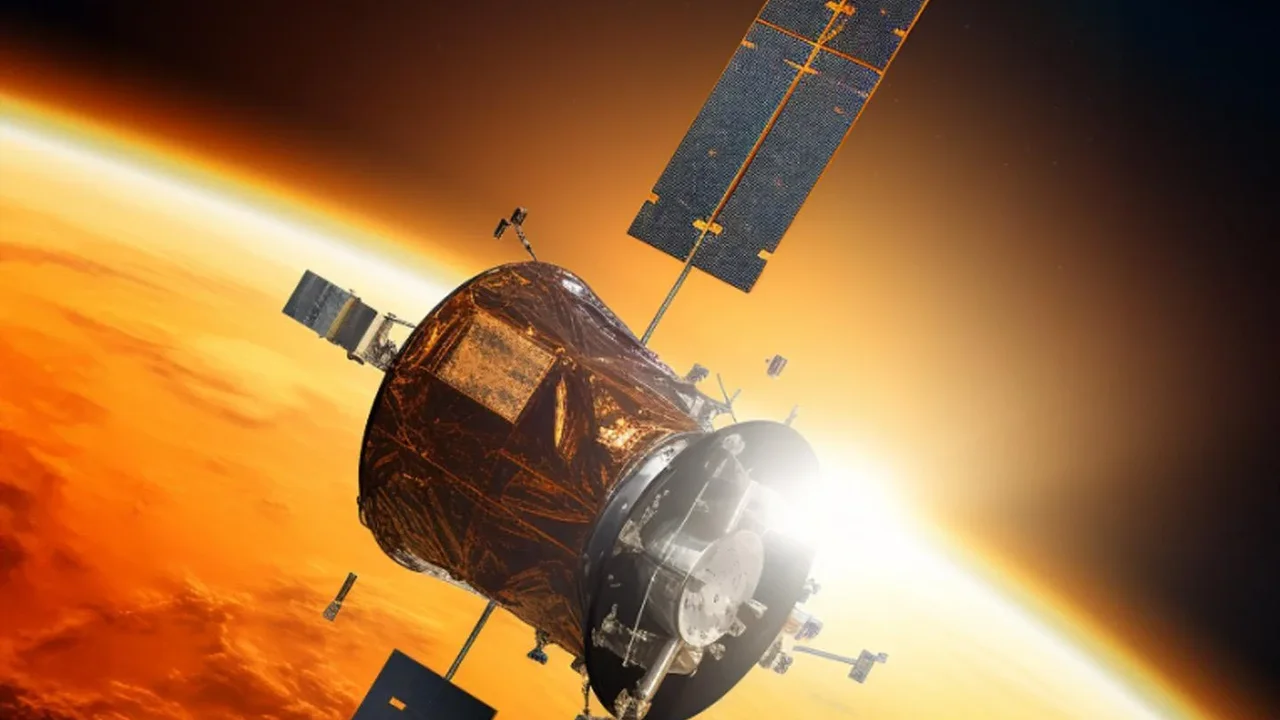
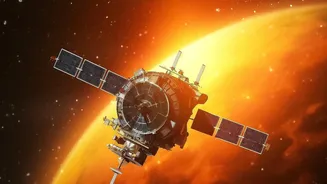
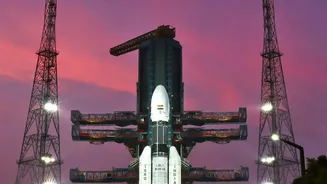
This is where the Indian Space Research Organisation (ISRO) enters the picture. Its planned Venus orbiter mission, Shukrayaan-1, is designed precisely to connect these dots. The mission is not just about visiting our neighbour; it's about conducting a comprehensive investigation of its surface, subsurface, and complex atmosphere all at once. Armed with a suite of advanced instruments, Shukrayaan-1 will be uniquely equipped to hunt for the definitive signs of active volcanoes, placing India at the forefront of this global scientific quest. One of the mission's primary objectives is to study Venus's geological and volcanic activity.
The Hunt for Volcanic Fingerprints
Shukrayaan-1 will carry sophisticated tools to find the smoking guns. Its high-resolution Synthetic Aperture Radar (SAR) can peer through the dense clouds to map the surface in greater detail than the Magellan mission, looking for new lava flows. At the same time, instruments like the Venus Surface Emissivity & Atmospheric Mapper (VSEAM) and the Venus InfraRed Atmospheric gases Linker (VIRAL) will study the atmosphere. They can search for localised hotspots on the surface that indicate fresh, cooling lava and simultaneously measure the concentration of gases like sulfur dioxide above them. By combining surface imaging with atmospheric chemistry in a single mission, ISRO can directly link a volcanic plume to its source on the ground—potentially providing the first conclusive, real-time evidence of an active volcano on Venus.