

More Than Just a Craving
While pakoras and chai remain beloved monsoon staples, a deeper culinary shift is taking place. Food enthusiasts and chefs are turning inwards, exploring the vast and varied world of traditional Indian soups that have been cornerstones of regional diets
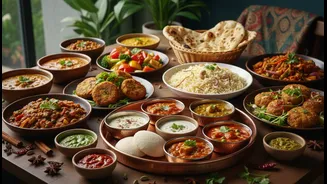
for generations. This isn't just about finding a new rainy-day comfort food; it's a rediscovery of heritage, a celebration of local ingredients, and a conscious move towards meals that are both flavourful and nourishing. From the light, tangy broths of the south to the hearty, slow-cooked concoctions of the north, these soups are stepping out of home kitchens and onto modern menus, forming the heart of a new, hyperlocal food movement.
Southern Comfort: A Universe in a Bowl
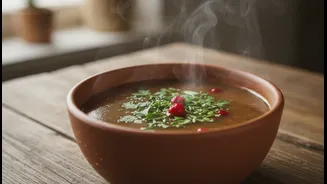
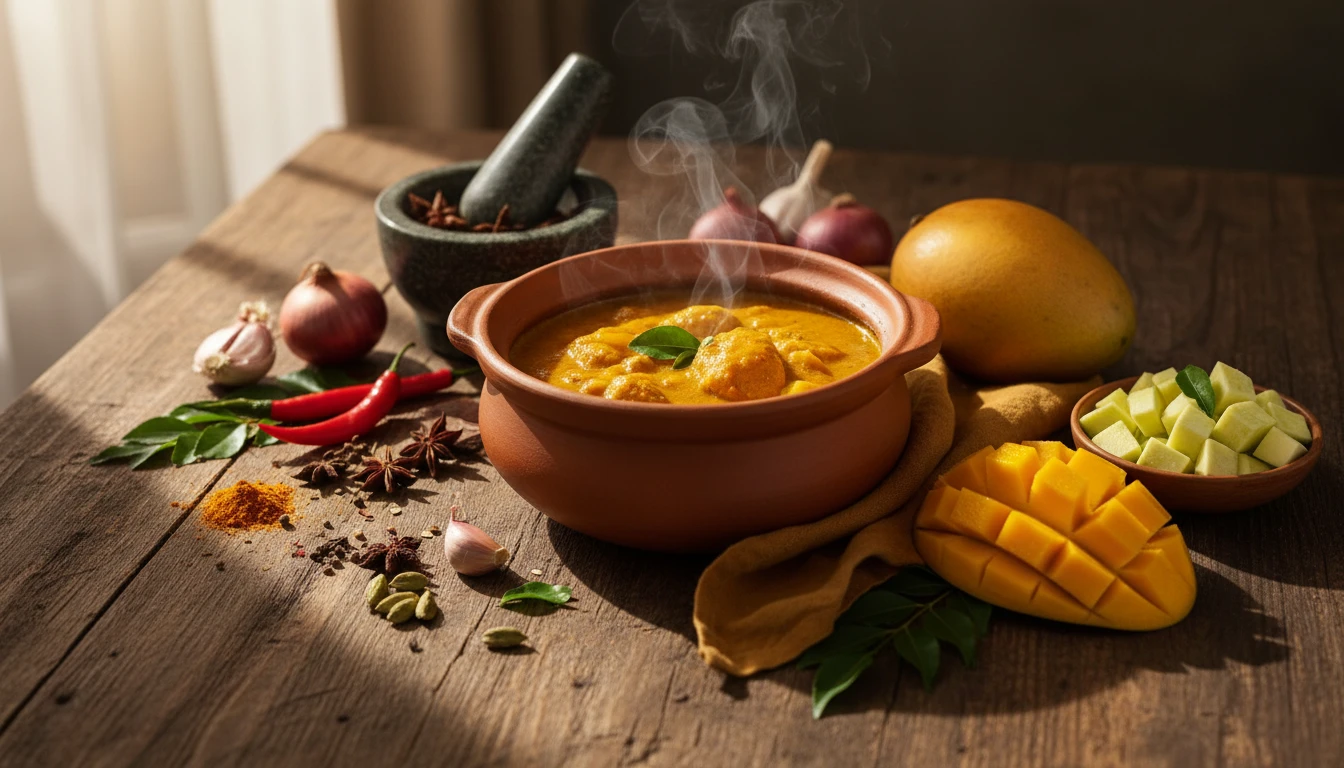
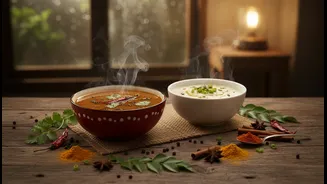
In South India, rasam is more than a soup; it’s a cultural icon. Traditionally a thin, peppery broth made with tamarind, tomatoes, and spices, it's a go-to remedy for colds and a staple for comfort. But the world of rasam is far more diverse than many realise. Creative chefs and home cooks are now highlighting countless variations. Kerala’s Varutharacha Rasam, for instance, gets its smoky depth from roasted coconut, while Karnataka's Saaru is often milder and more aromatic. There are also modern, playful takes like pineapple, mango, and even basil rasam, which use seasonal fruits and herbs to add sweet or fragrant notes to the tangy base. Each version tells a story of its region, offering a complex yet light experience perfect for a humid monsoon day.
Eastern Promise: The Taste of Khar
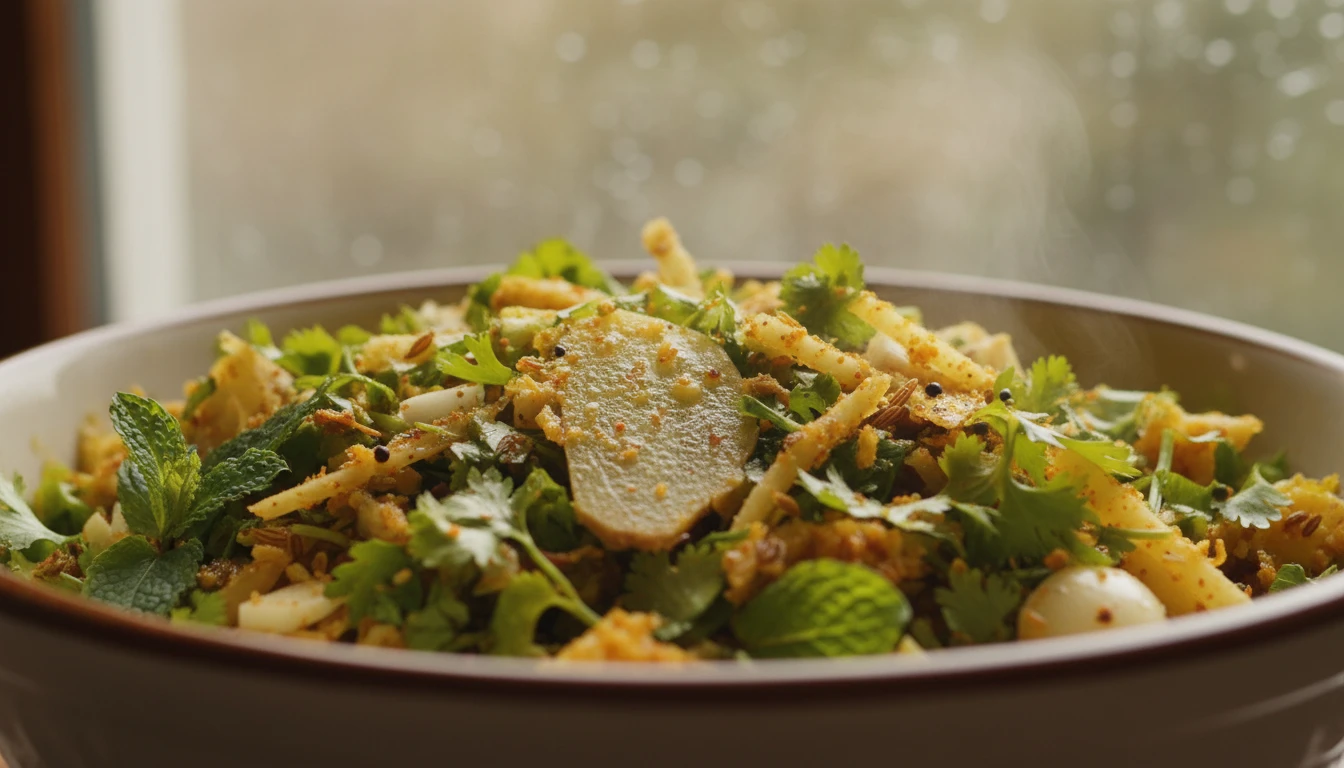
Travel east, and you'll find soup traditions that are unique and deeply rooted in the local geography. In Assam, the star is Khar, a dish so integral to the culture that locals are sometimes called 'Khar Khuwa Axomiya' (Khar-eating Assamese). Khar is both an ingredient and a dish. The key component is an alkaline liquid made by filtering water through the ash of sun-dried banana peels. This liquid is then used to cook everything from raw papaya to lentils and fish, lending a distinctive smoky, astringent flavour. Believed to cleanse the palate and aid digestion, Khar is traditionally the first course of an Assamese meal. As chefs and food writers shine a light on India's lesser-known cuisines, dishes like Papaya Khar are gaining national attention, showcasing the resourcefulness and unique flavours of the Northeast.
Northern Soul: The Richness of Shorba
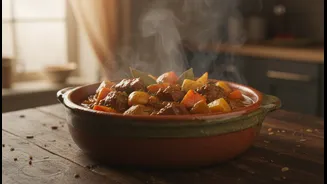
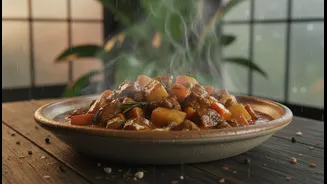
The northern parts of India offer a different kind of warmth through their rich, slow-cooked shorbas and payas. With origins tracing back to Central Asian and Mughal kitchens, these soups are hearty, aromatic, and deeply satisfying. Paya, which means 'trotters' in Hindi and Urdu, is a slow-cooked stew made from goat or lamb feet. Simmered for hours, often overnight, the bones release collagen, creating a gelatinous, nutrient-rich broth famed for its restorative properties. Flavoured with spices like cinnamon, cloves, cardamom, and saffron, Paya Shorba was once a delicacy in royal courts and a source of strength for armies. Today, it remains a beloved winter and monsoon comfort food, a testament to the layered history of North Indian cuisine.
Why Now? A Recipe of Health and Heritage
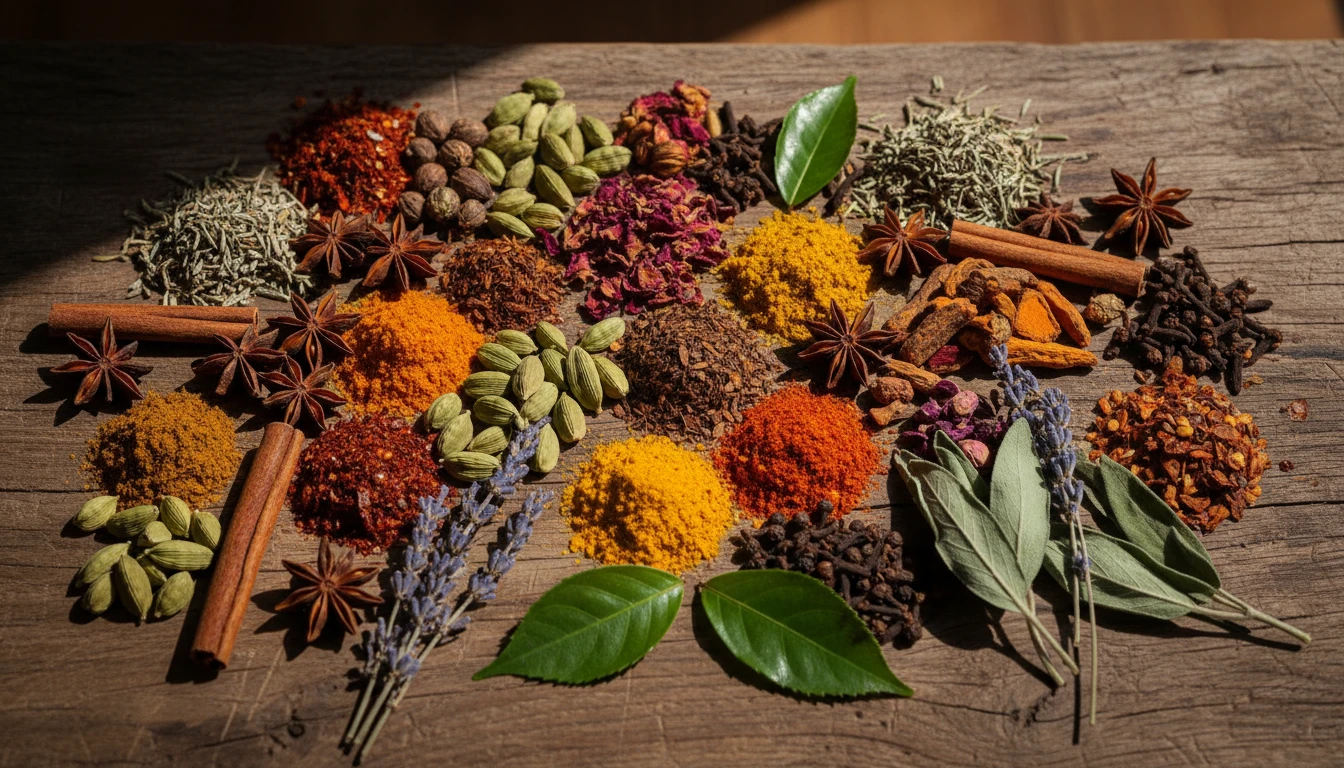
This renewed interest in regional soups is driven by several factors. There's a growing appreciation for India's own culinary diversity, with a new generation of chefs acting as 'cultural custodians' to revive forgotten recipes. The wellness movement has also played a significant role. Many of these traditional soups are packed with ingredients like turmeric, ginger, garlic, and black pepper, which are known to support overall well-being and are particularly sought after during the monsoon to combat seasonal ailments. Finally, the push towards eating local and seasonal produce makes these heritage recipes more relevant than ever. They represent a sustainable and authentic way to eat, connecting people to the ingredients, climate, and culture of their specific region.