
The Rise of the Ghost Kitchen
First, let's demystify the name. A 'dark kitchen' — also known as a ghost or cloud kitchen — is a food preparation facility built exclusively for delivery. There are no tables, no waiters, and no storefront. Think of it as a launchpad for food brands
that live entirely online. By eliminating the high costs of rent, interiors, and front-of-house staff, these kitchens drastically lower the barrier to entry for aspiring chefs and food entrepreneurs. The business model allows for agility; a brand can test new dishes, pivot its menu, or even run multiple cuisines from a single space with minimal financial risk. This lean setup, which gained massive traction during the pandemic-led delivery boom, has unintentionally created the perfect ecosystem for culinary experimentation and niche offerings to thrive.
A Perfect Recipe for Heritage Foods
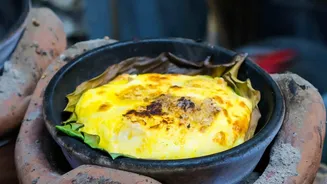
For years, bringing hyper-regional or tribal cuisines to a wider audience was a monumental challenge. The unique ingredients were often difficult to source, and the flavours were unfamiliar to the average urban palate, making the investment in a full-fledged restaurant a significant gamble. Dark kitchens change this equation entirely. An entrepreneur passionate about their community's food can start small, focusing purely on the quality and authenticity of the meal. For instance, a Naga entrepreneur in Mumbai, inspired by missing homemade food, established Naga Chukka to introduce the city to authentic flavours from his home state. The model allows chefs to build an audience through social media and food delivery apps, educating customers about dishes that tell a story of culture and place.
From Remote Kitchens to Urban Tables
Across India, this trend is taking root. In Delhi, a cloud kitchen named Rosei Ghara is bringing traditional Odia cuisine, including slow-cooked bamboo mutton, to a new generation of diners curious about regional specialities. In Nagaland's Longleng district, a family-run venture called Flavours Rush became the area's first cloud kitchen, delivering hygienic and convenient meals ordered via WhatsApp. Meanwhile, in big cities like Mumbai and Bengaluru, Naga entrepreneurs who once faced stigma for their food's strong aromas are now celebrated for their authentic offerings. Ventures like Naga Belly in Mumbai were started by friends with little capital, relying on the delivery-first model to share their heritage. These businesses often start by serving a diaspora community craving a taste of home before finding a broader audience of adventurous foodies.
Overcoming The Digital Divide
The model is not without its challenges. Building customer trust is harder when they cannot see your kitchen. Success becomes entirely dependent on delivery logistics; a delayed or damaged order can harm the brand's reputation instantly. For kitchens operating in remote areas like Longleng, sourcing ingredients can mean overnight bus trips to the nearest city, and operations can be hampered by poor road conditions and power cuts. In this digital-first world, storytelling becomes paramount. With no physical space to create an atmosphere, brands must use their online presence, packaging, and menu descriptions to convey authenticity, share the origin of their recipes, and build a connection with their customers. Every dish becomes a cultural ambassador.
More Than a Meal, A Cultural Revival
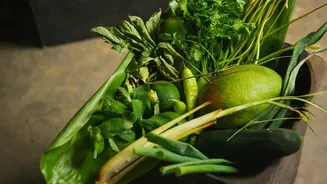
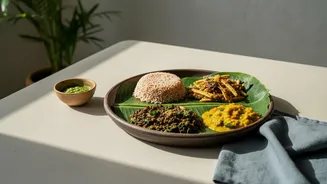
Ultimately, the rise of these dark kitchens is about more than just business innovation. It is a powerful movement of cultural preservation and economic empowerment. Entrepreneurs from Jharkhand's tribal communities are creating restaurants and food businesses to bring their cuisine into the mainstream, creating a sense of pride and a connection to their roots. Food that was once dismissed or confined to home kitchens is now becoming a marketable, exotic, and respected cuisine. This trend allows for the preservation of ancestral recipes and ingredients, such as bamboo shoots, black rice, and unique regional chillies, introducing them to new markets and ensuring they are not forgotten. By leveraging modern technology, these entrepreneurs are not just selling food; they are building authentic heritage brands and creating a culinary bridge between India's diverse communities.